
授课方式 | 线下·上海
课程类别 | 适合景观设计的学生
项目尺度 | 大尺度景观项目
课前准备 | 课前熟悉GIS、Rhino、PS等基本软件的操作,要求学员具备一定的资料检索、查找文献的能力。课程适合具备一定基础的学员,通过该课程全面深化学员前期研究、图面表达、故事叙述等能力。
授课时间 | 2019年8月10日 持续5周左右
Studio人数 | 6-8人
注:未签约学员咨询报名前咨询客服主页菌; 已经签约 RAC 学员可用课时兑换
Studio背景:
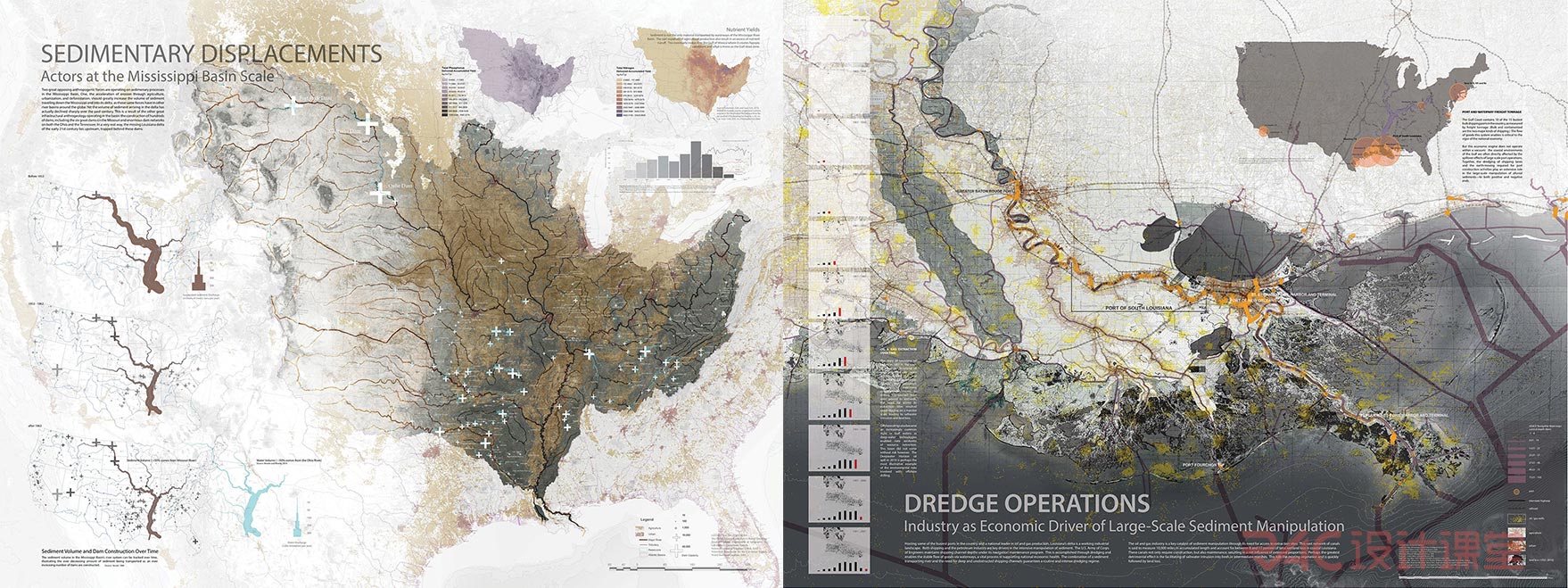
墨西哥湾每年夏季的“死区”严重威胁当地渔业生产及生态平衡。“死区”产生的原因与密西西比河流域农业生产结构及三角洲近十余年湿地系统破坏紧密关联,密西西比河中上游作为美国农业主产区,土壤中富含的大量营养物质由于水土流失进入密西西比河并随河水进入墨西哥湾,同时,下游三角洲湿地的大量消失使其原本具有的过滤、屏障功能极具破坏。由此形成了从上游农业生产结构-下游湿地系统-海湾富营养化的因果联系。
Every summer, hypoxia threatens the economic and ecological vitality of the northern Gulf of Mexico, the nation’s largest and most productive fishery. Excessive nutrients, primarily from agricultural inputs, flow from the Mississippi-Atchafalaya River Basin into the northern Gulf of Mexico where they deplete oxygen levels and cause seasonal “dead zones”. By linking upland agricultural systems to coastal hydrologies and ecologies, this course will develop a new framework for nutrient cycling in the Mississippi River Basin.
Studio目的:
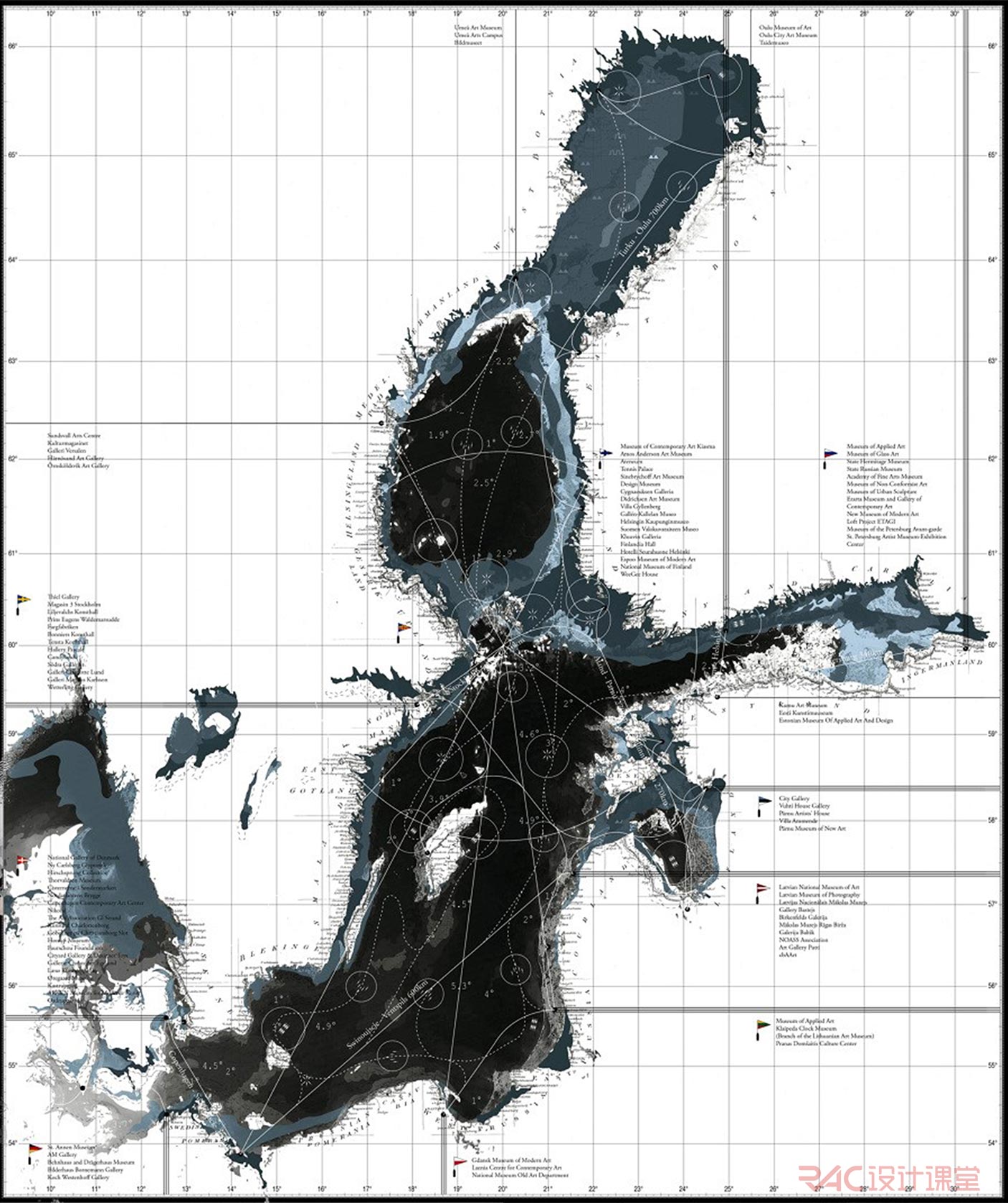
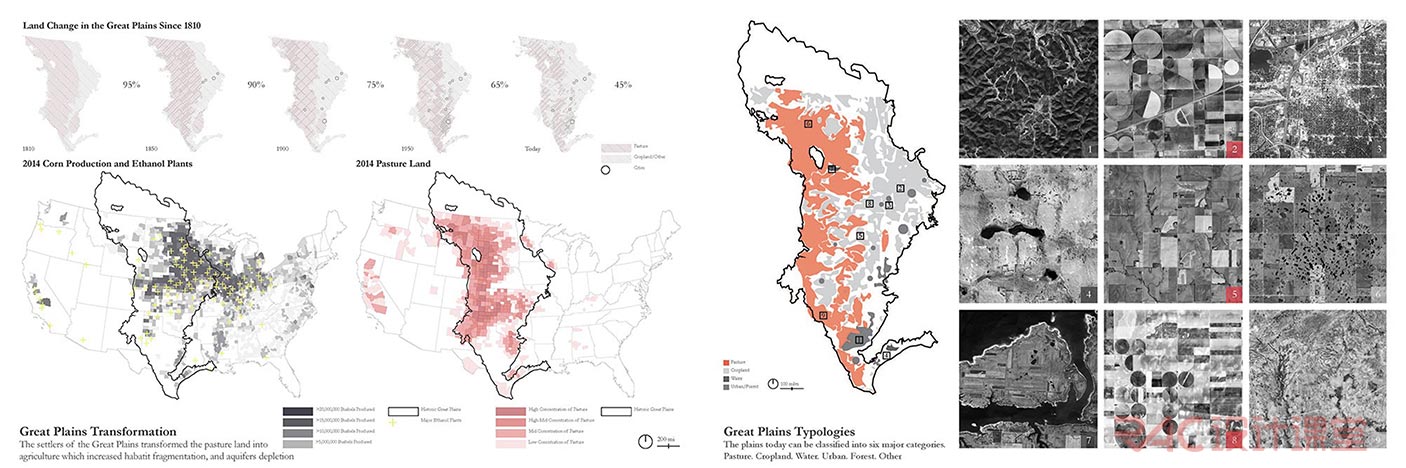
学员需要通过查阅、文献,全面深入地了解墨西哥湾Dead Zone产生的原因,并通过Mapping、Diagram等图像语言表达阐述研究成果,强化数据可视化能力,提出富有创造性的解决策略。最终回归场地对研究成果进行应用,选取路易斯安娜州Baton Rouge市郊农业试验田作为设计场地。
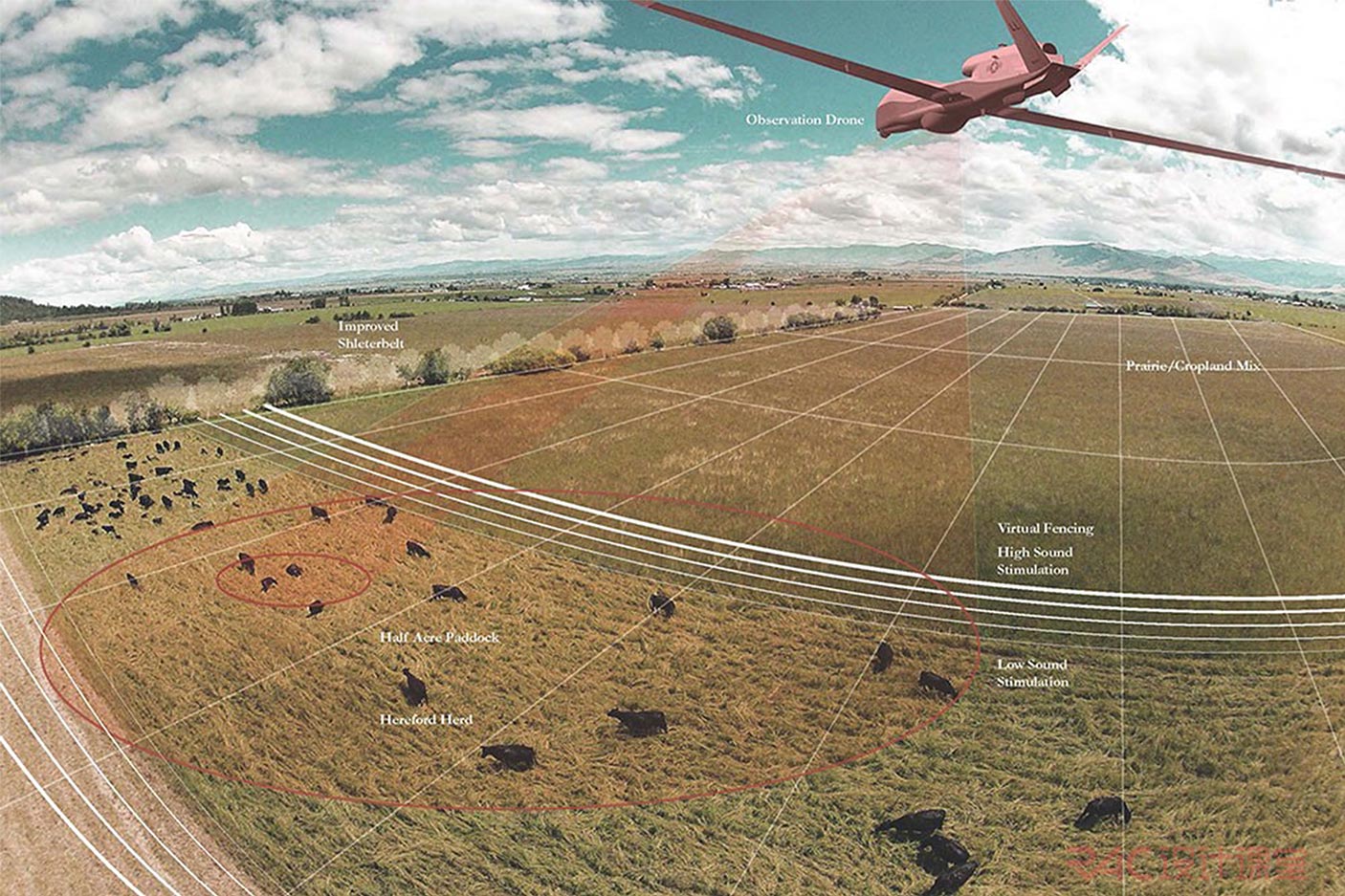
students will be asked to research nutrient and hydrological systems, diagram and map site related and real-time data, research nascent technologies and propose speculative regional landscape scenarios. The studio will engage a range of sites throughout the Mississippi-Atchafalaya River Basin and the northern Gulf of Mexico.
Phase 1:研究阶段-明确hypoxia产生的原因并通过图像语言准确表达
Phase2:设计策略-选取一个或多个角度分析密西西比河流域上游至下游营养链与墨西哥湾hypoxia之间的联系并提出解决策略
Phase3:场地设计-依据设计策略选取适合的场地提出设计方案
方法与媒介:
Scenario、Mapping、Collage、Prototype、Plan、Section、Rendering、Physical Model
参考书目:
Mississippi and the Gulf Nassauer, Joan (ed), From the Corn Belt to the Gulf: Societal and Environmental Implications of Alternative Agricultural Futures, Washington, DC: Resources for the Future, 2007
Cartographies of Hydrology Mathur, Anuradha, da Cunha, Dilip, Mississippi Floods, New Haven: Yale University Press, 2001.
Studio成果:
针对进阶阶段的学员,提升查阅资料、文献研究、图面表达、故事讲述能力,为今后学习打好基础
Credit from Greg Dahlke and Abram Eberson