Landform is a natural geographical feature or shape that appears on the Earth’s surface. Large landforms include mountains, plains and rivers, while small landforms include hills and billabongs. Landforms are created and shaped by geographical forces of nature, such as tectonic plate movement and erosion. Natural landscapes are made of a variety of landforms. A hill can be found in many different landscapes.
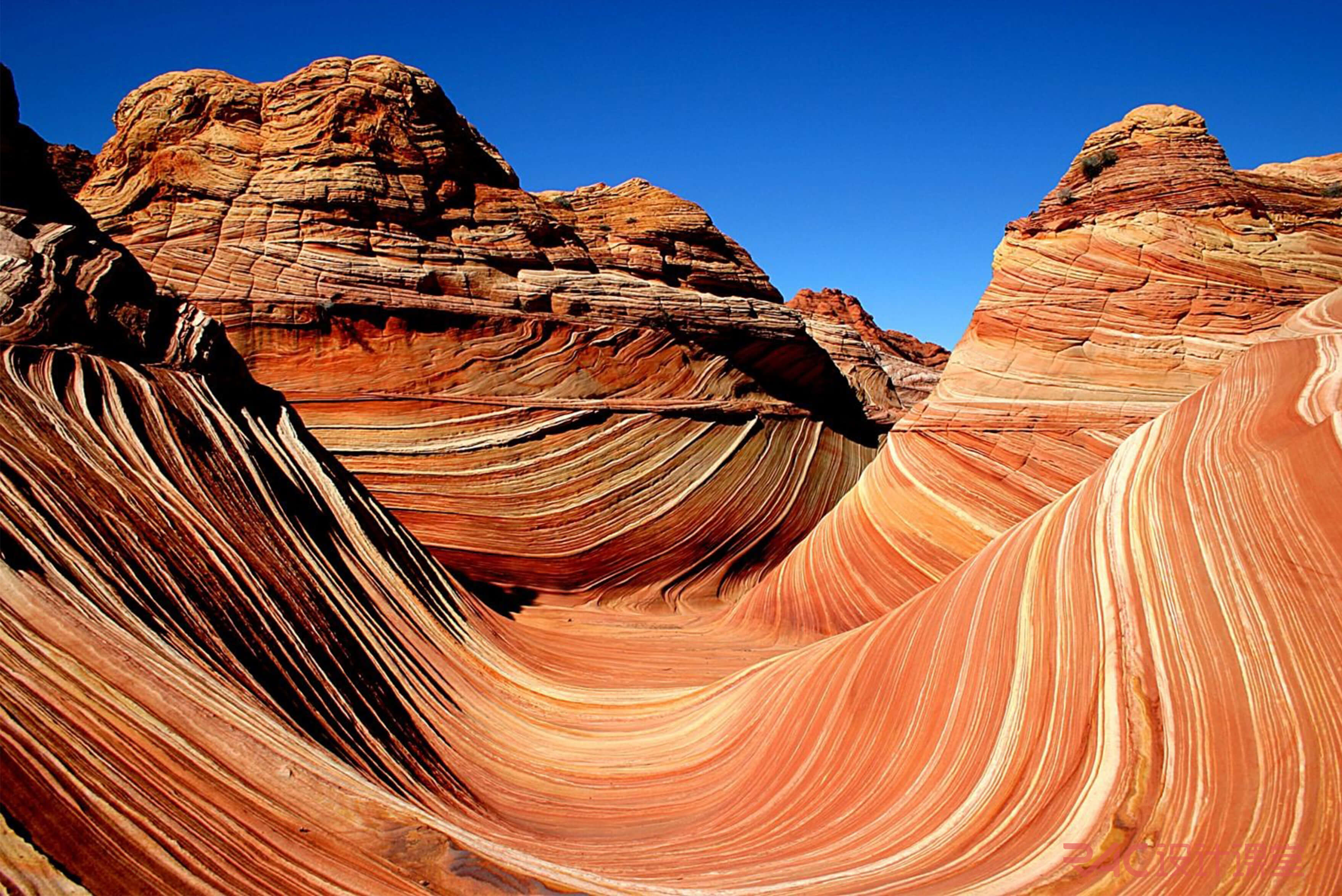
Arizona Wave
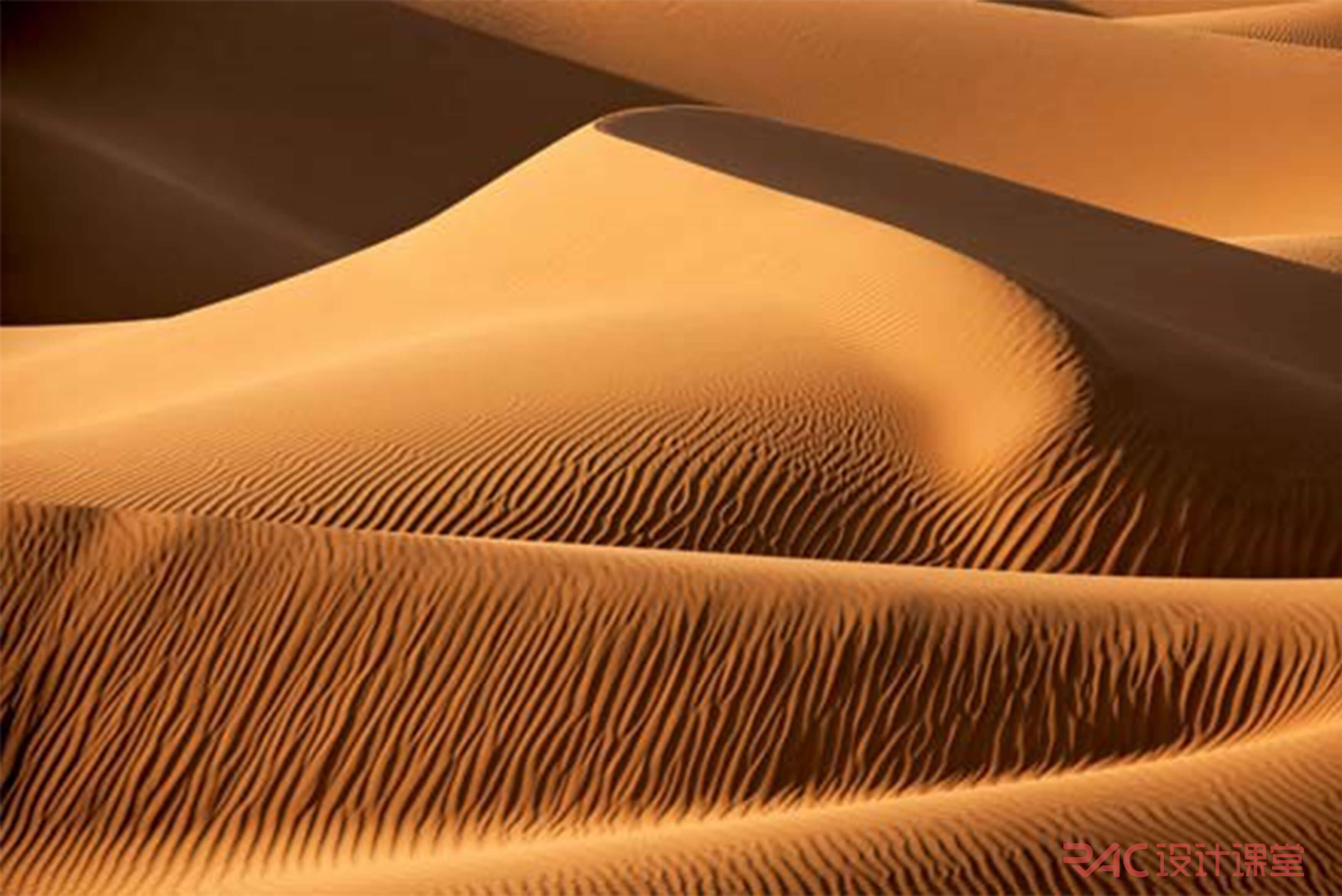
Sand Dunes on Earth
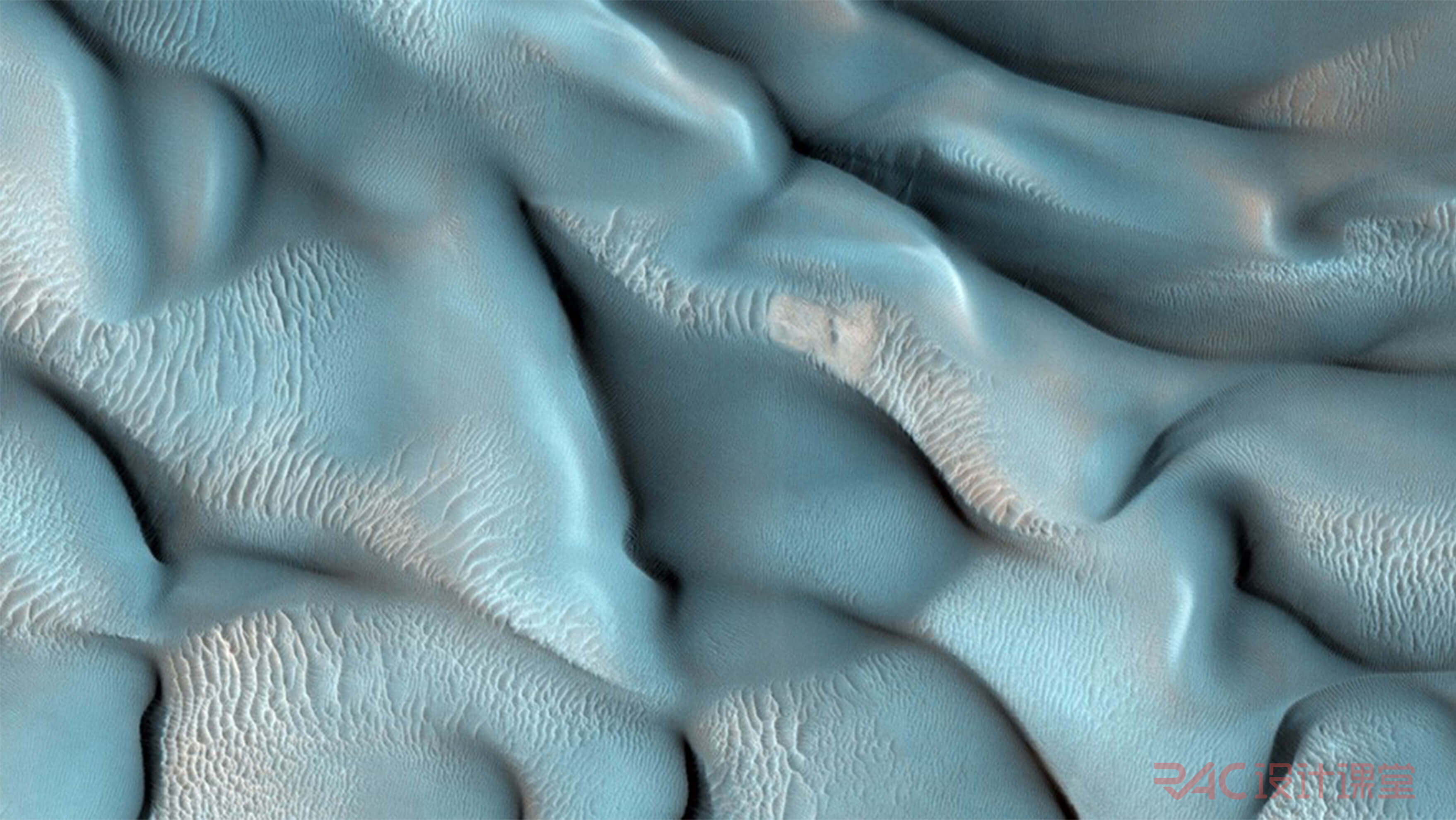
Blue Ripples on Mars
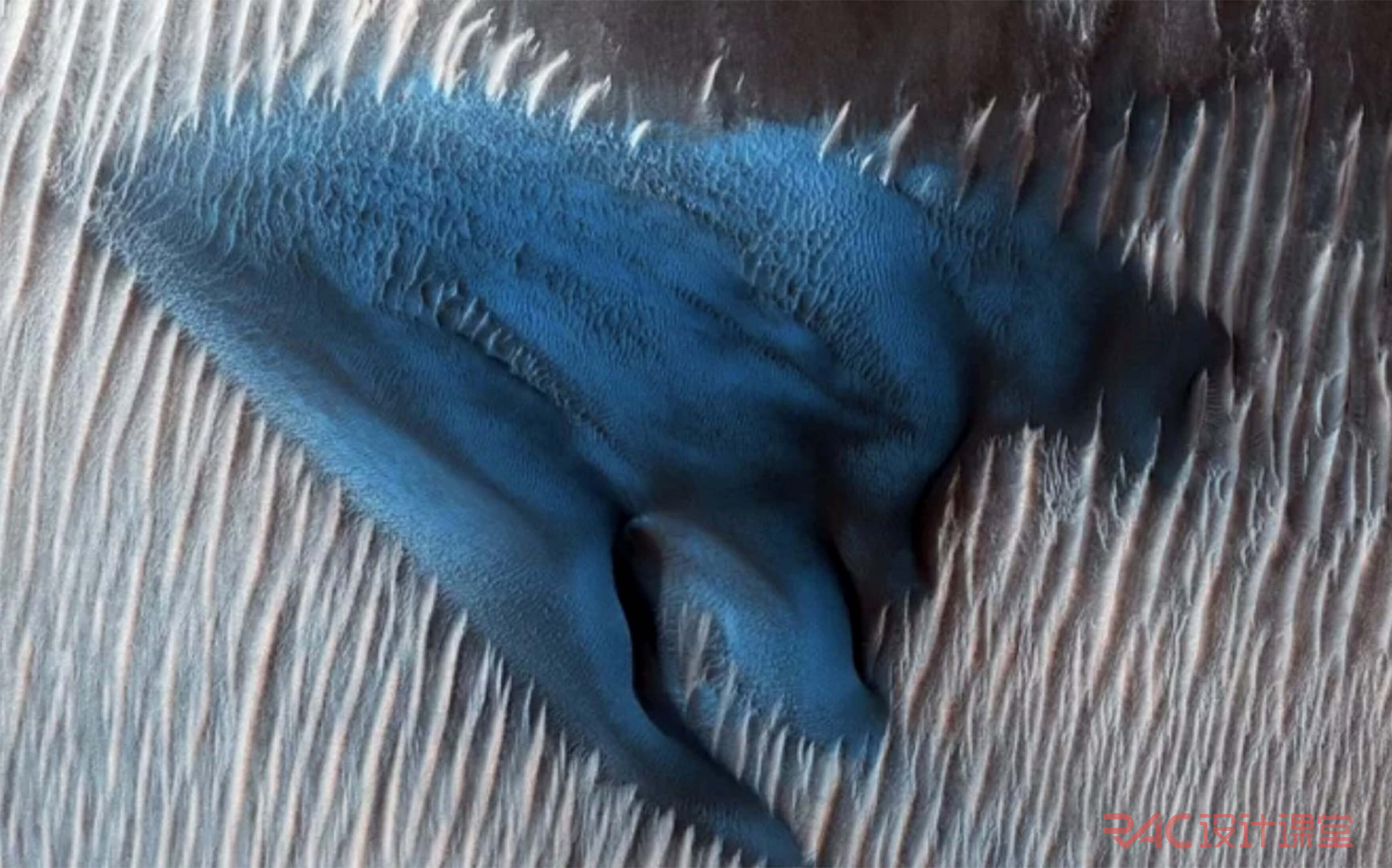
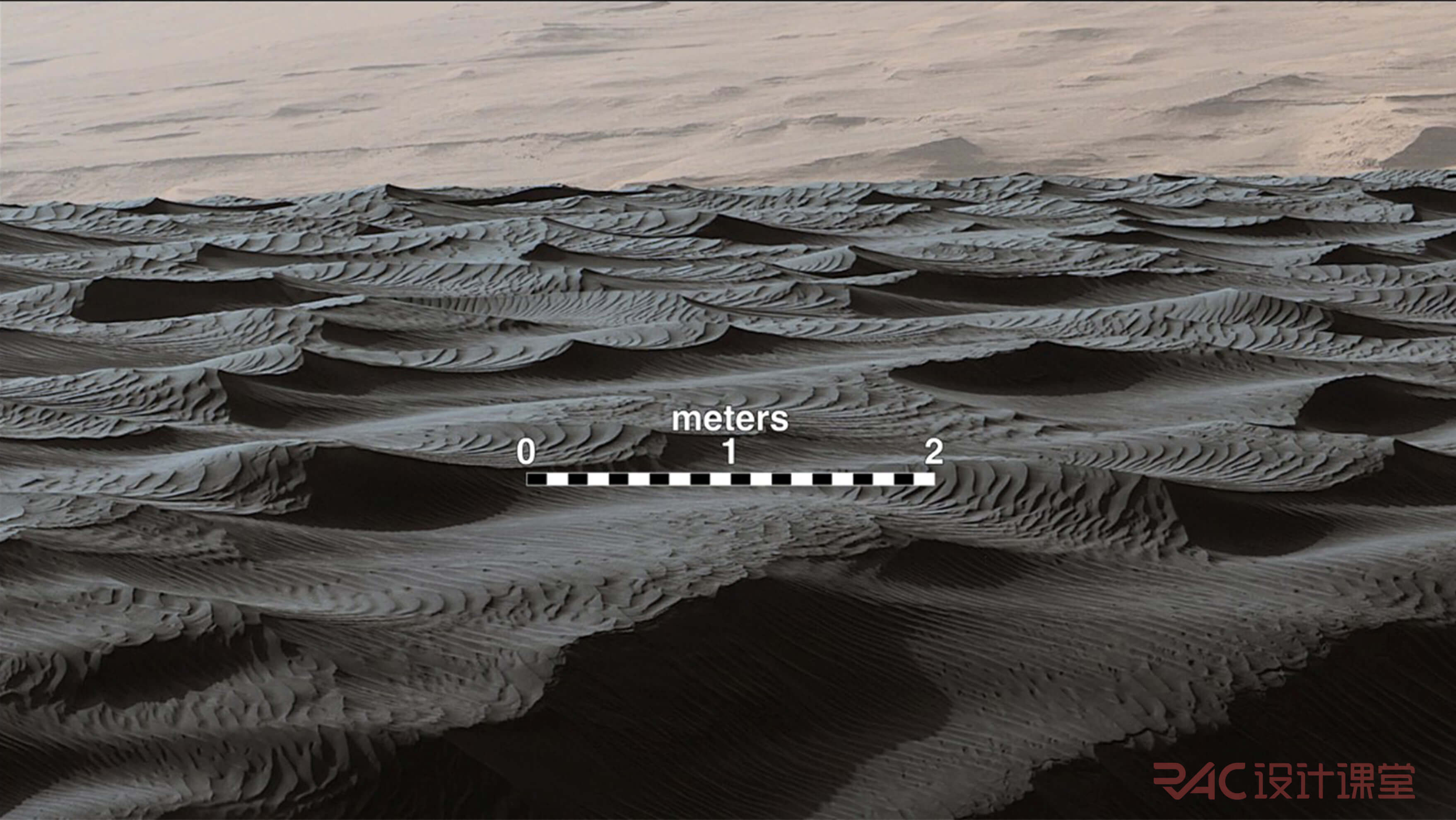
Ripples on Mars
Unlike the types of naturally occurring landscapes, built landforms are created by humans. Built landforms provide evidence of human settlement and occupation of an environment. Features of built landforms include elements of infrastructure such as buildings, roads, transport, energy and sewerage systems. The construction of built landforms often results in the damage of destruction of natural forces but commonly incorporates some natural geographical features in its design.
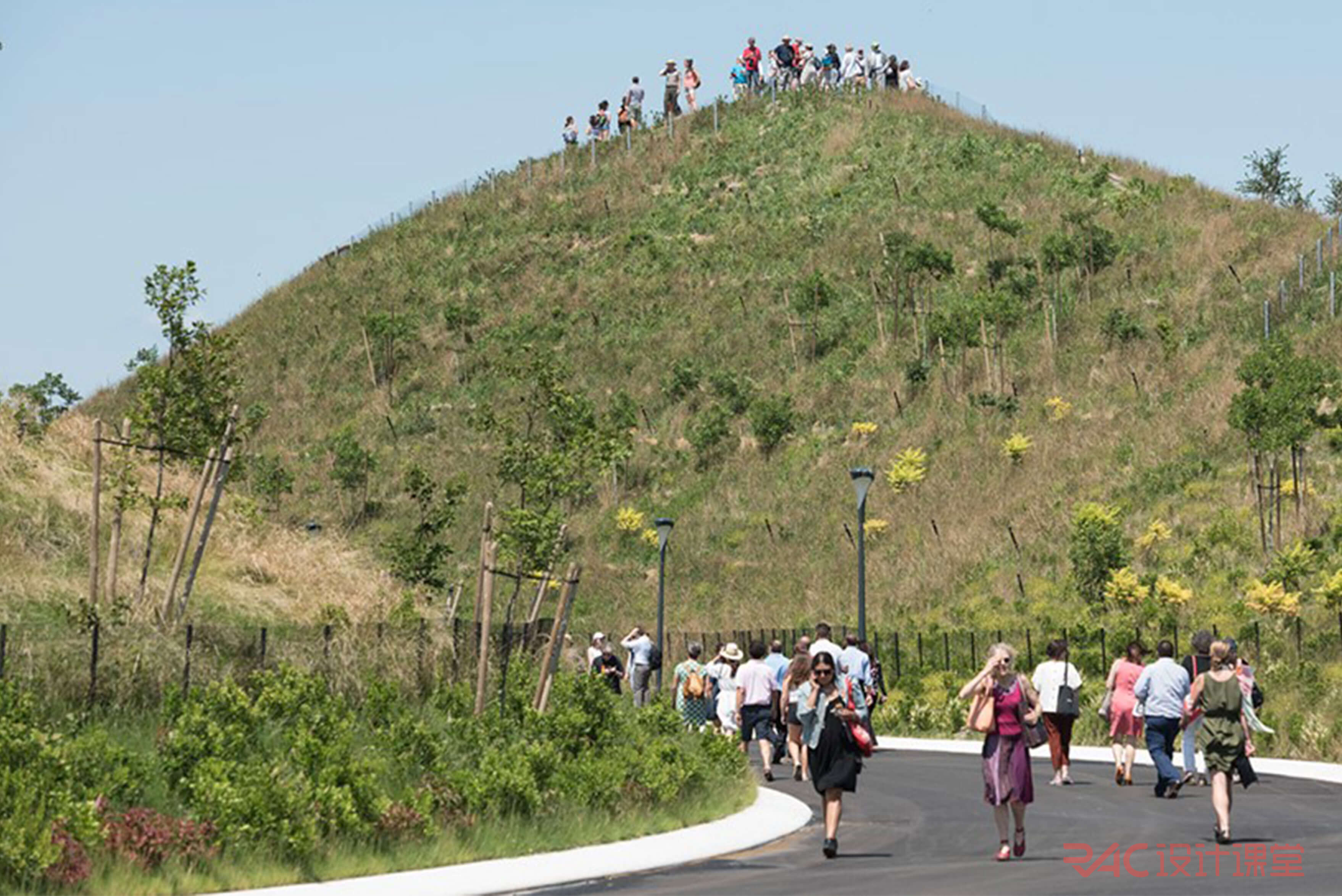
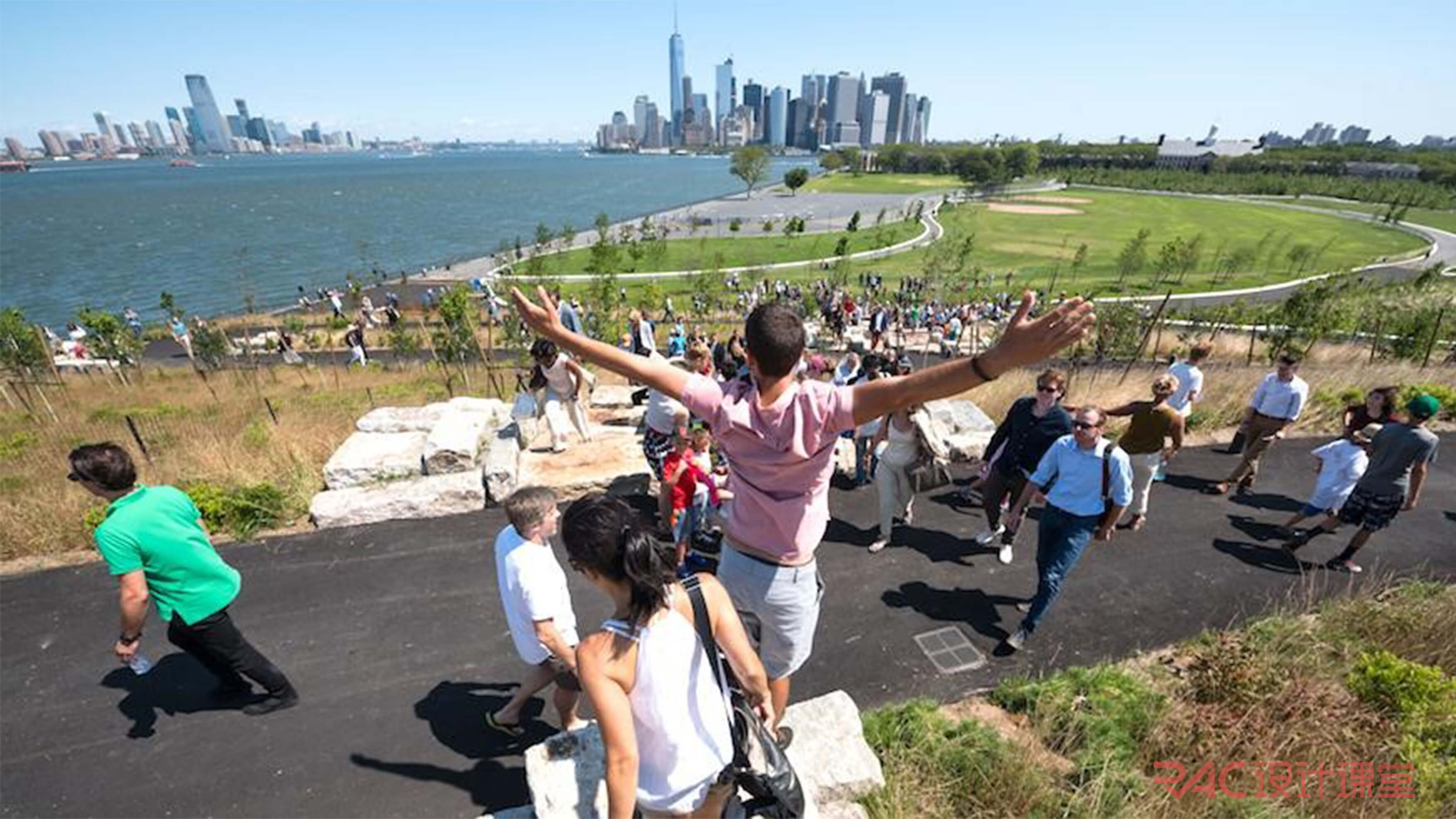
The Hills of Governor Island
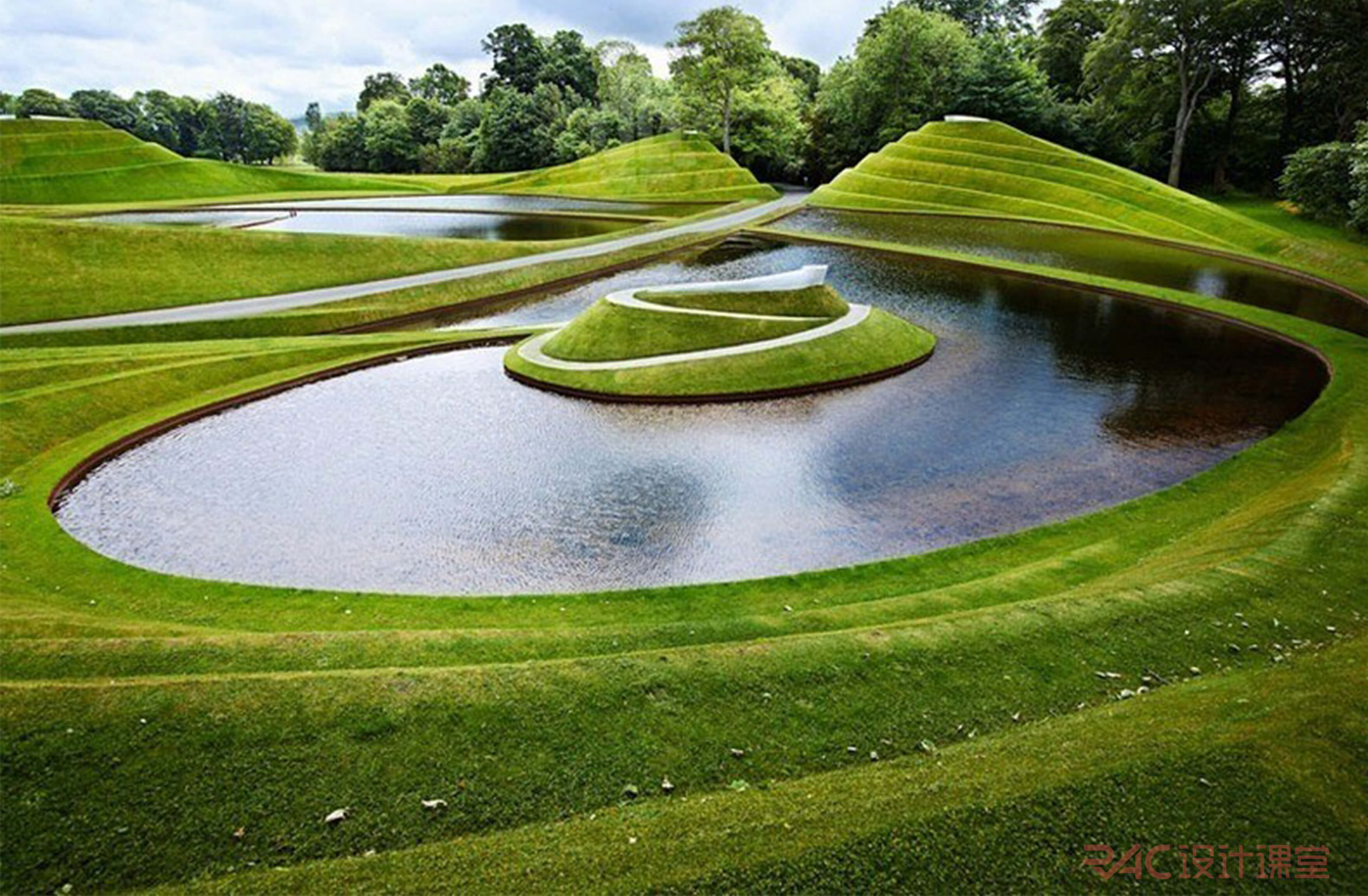
The Garden of Cosmic Speculation
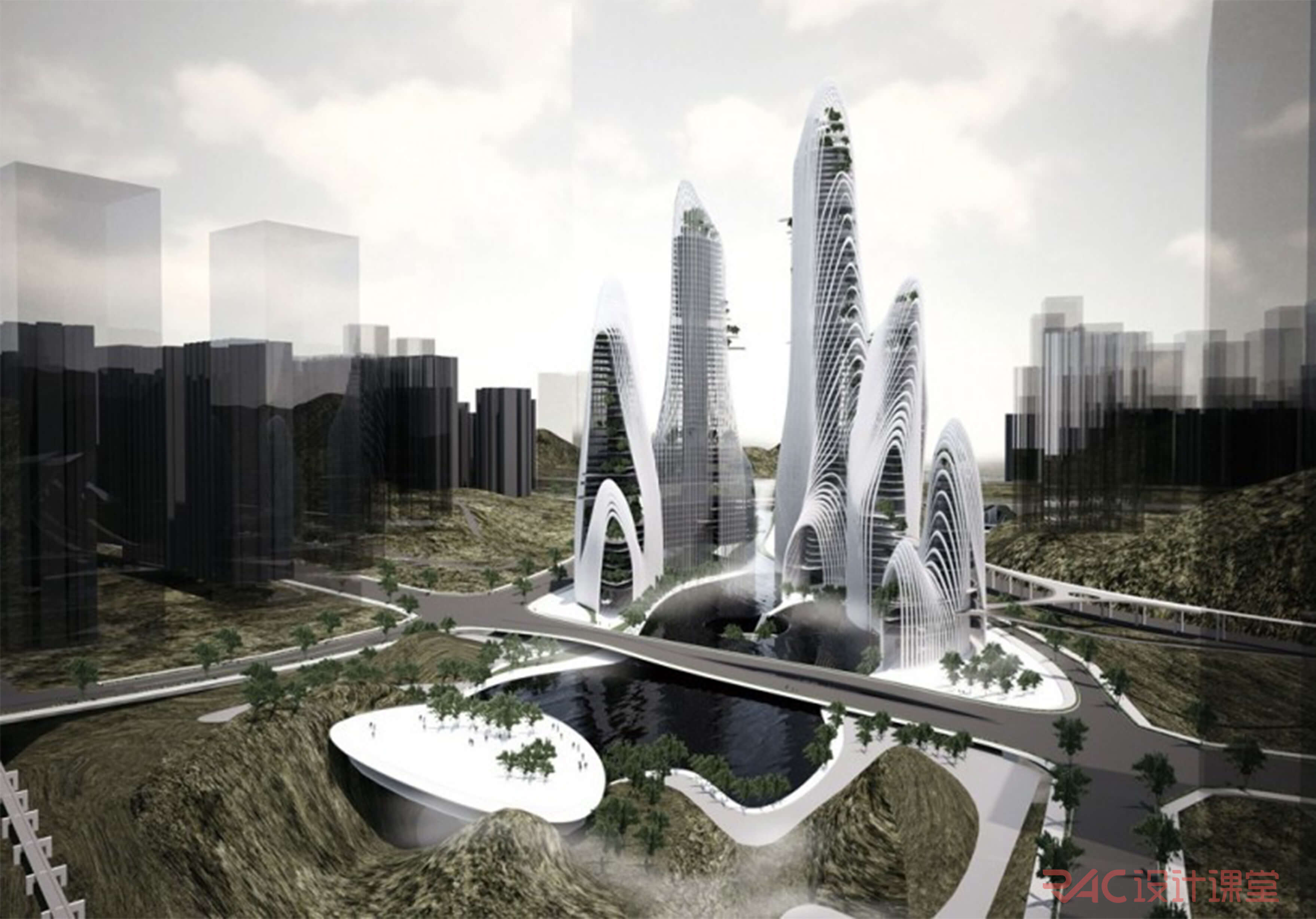
MAD
项目基地信息:
Urban is overbuilt in concerning to those skyscrapers. Jing’an Park is surrounded by high-rise commercial district near Jing’an Temple, which is one of the center locations in Shanghai. But how to create a peaceful oasis in the middle of urban life that mitigate city busy life is worth investigating.
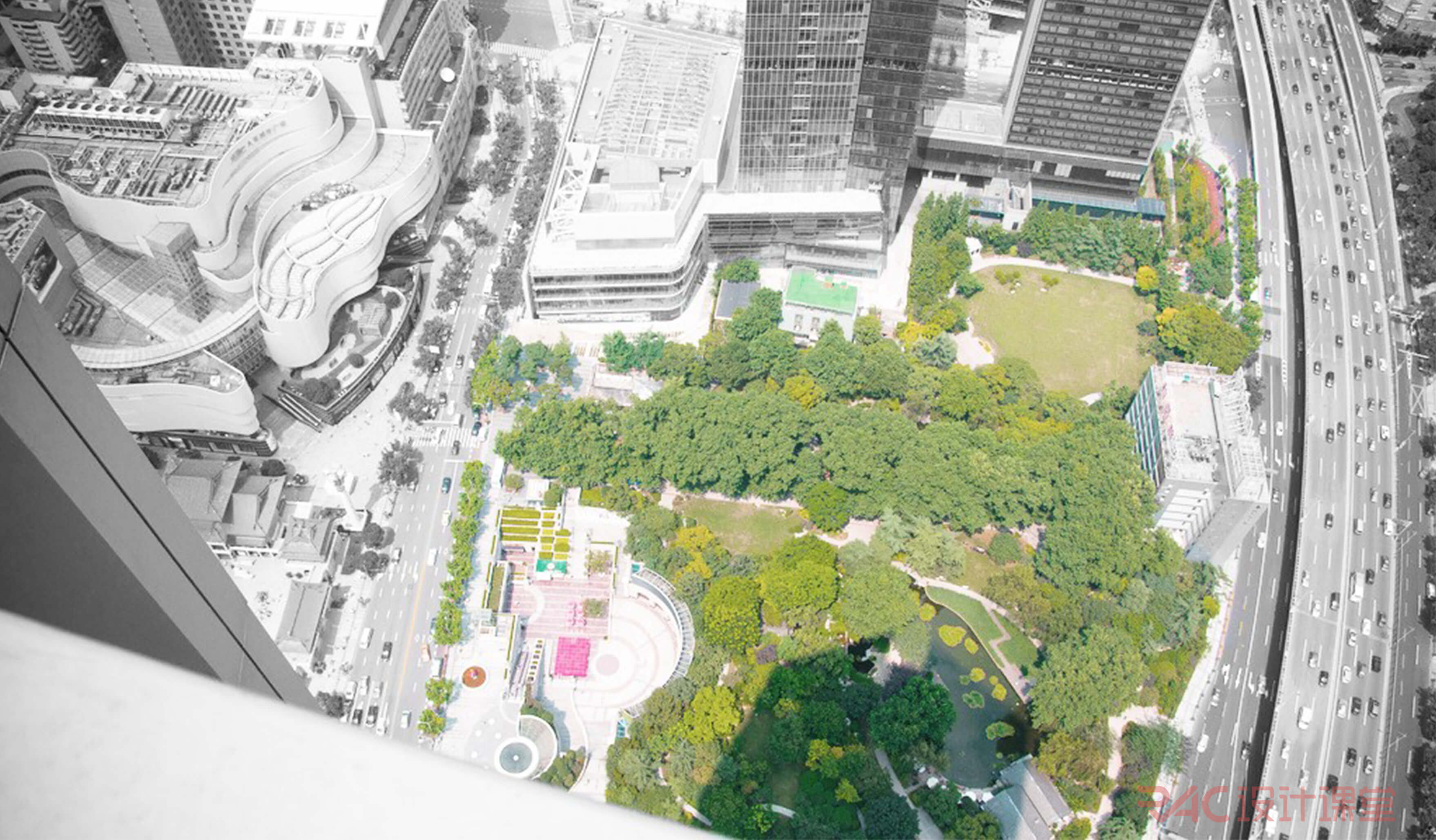
From Google Map
Studio 目的
The studio will explore the parallels between designing and constructing the landforms that positively impact society, as well as understanding its inherent opportunities and limitations in specific site condition. A particular focus will be put on imaginative ideas, systematic thinking, projects logics, and construction methodologies.
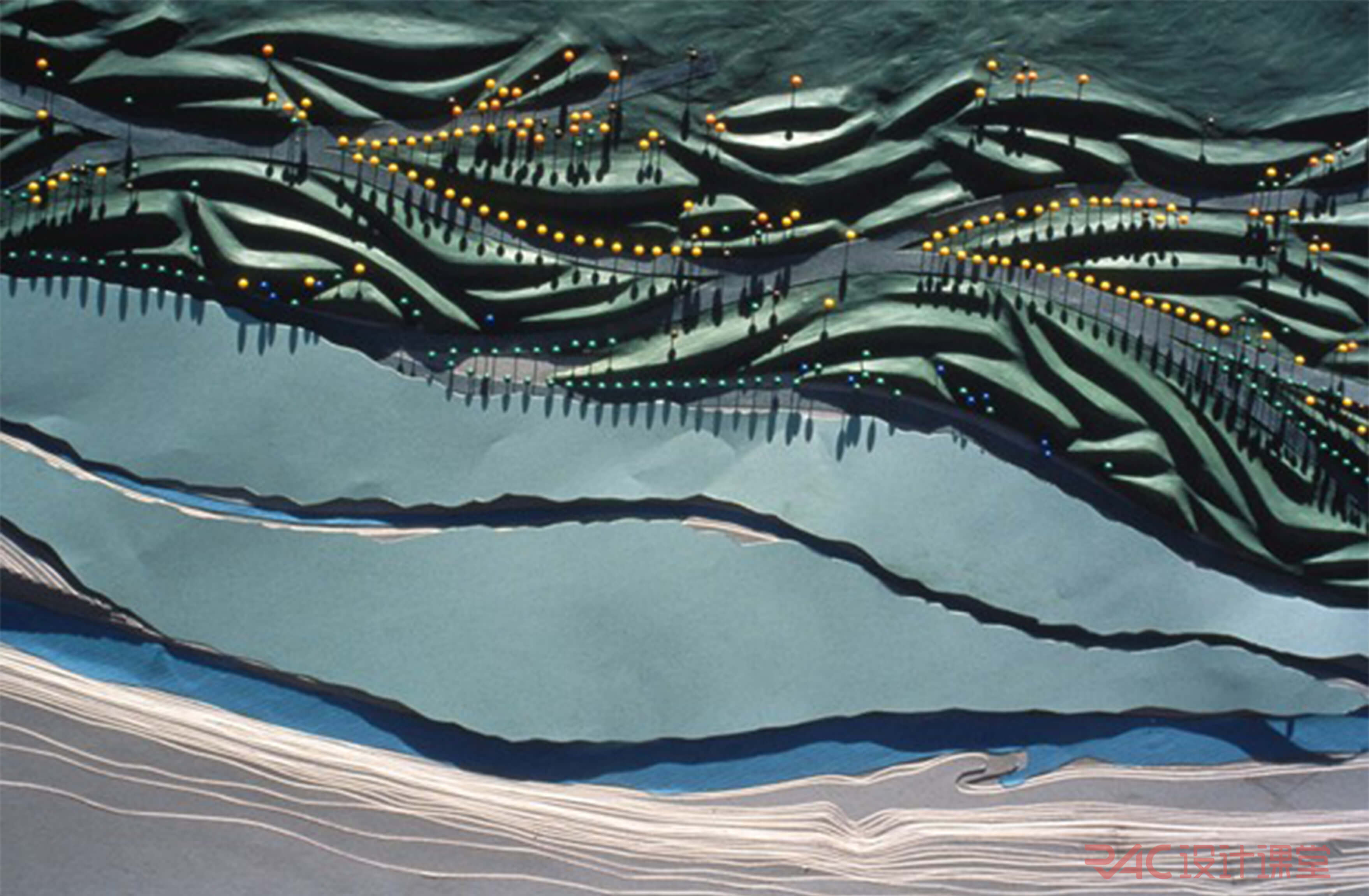
Studio 方法与媒介
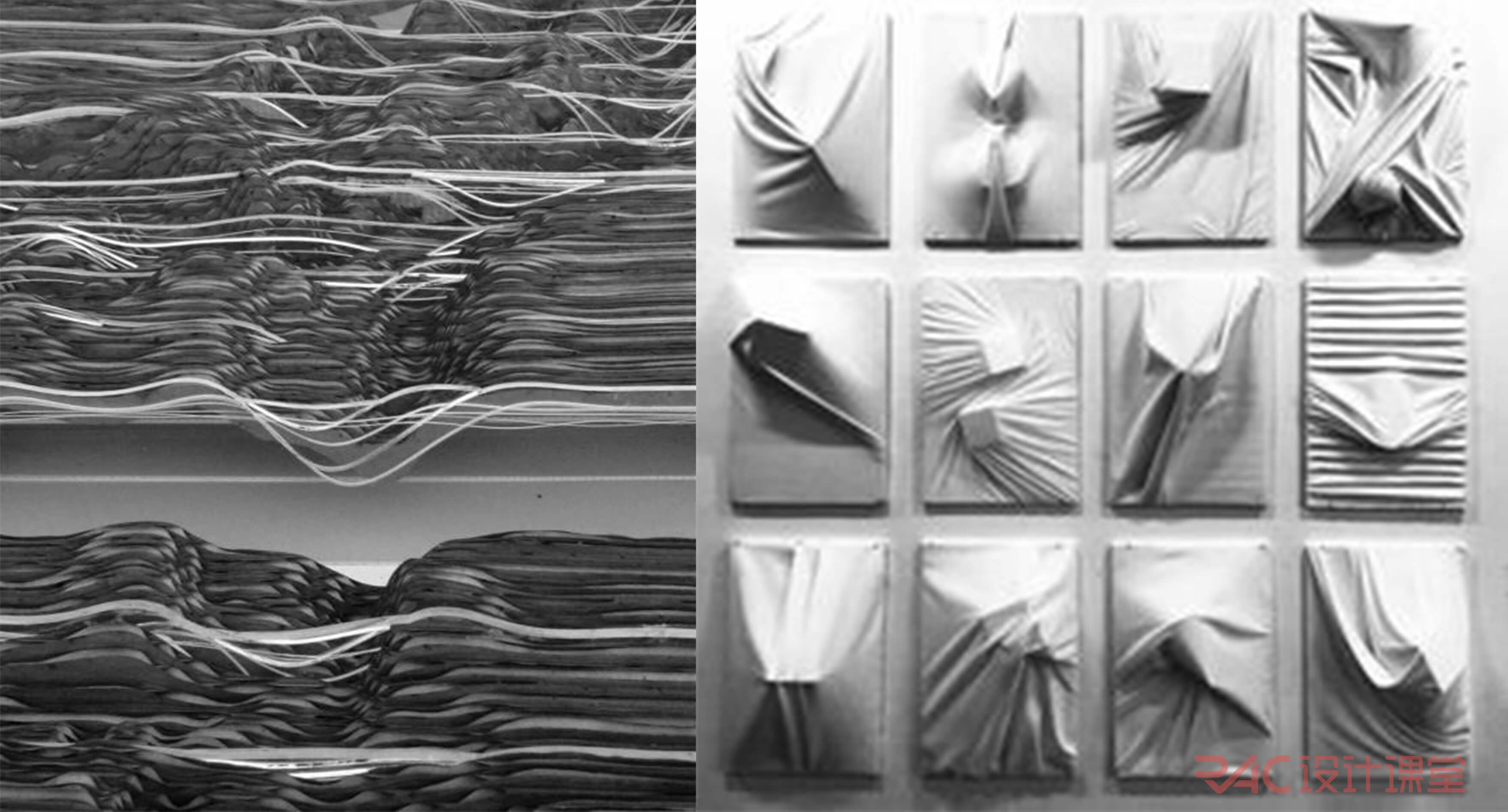
This course involves a combination of lectures, workshops, case studies, and classroom exercises, covering a range of topics including: design thinking, system thinking, manufacturing operations, and prototyping. And trying to foster a design intelligence that engages quantitative and qualitative thinking, combining computational, visual, experimental, strategic, and aesthetic methods.
Studio 成果
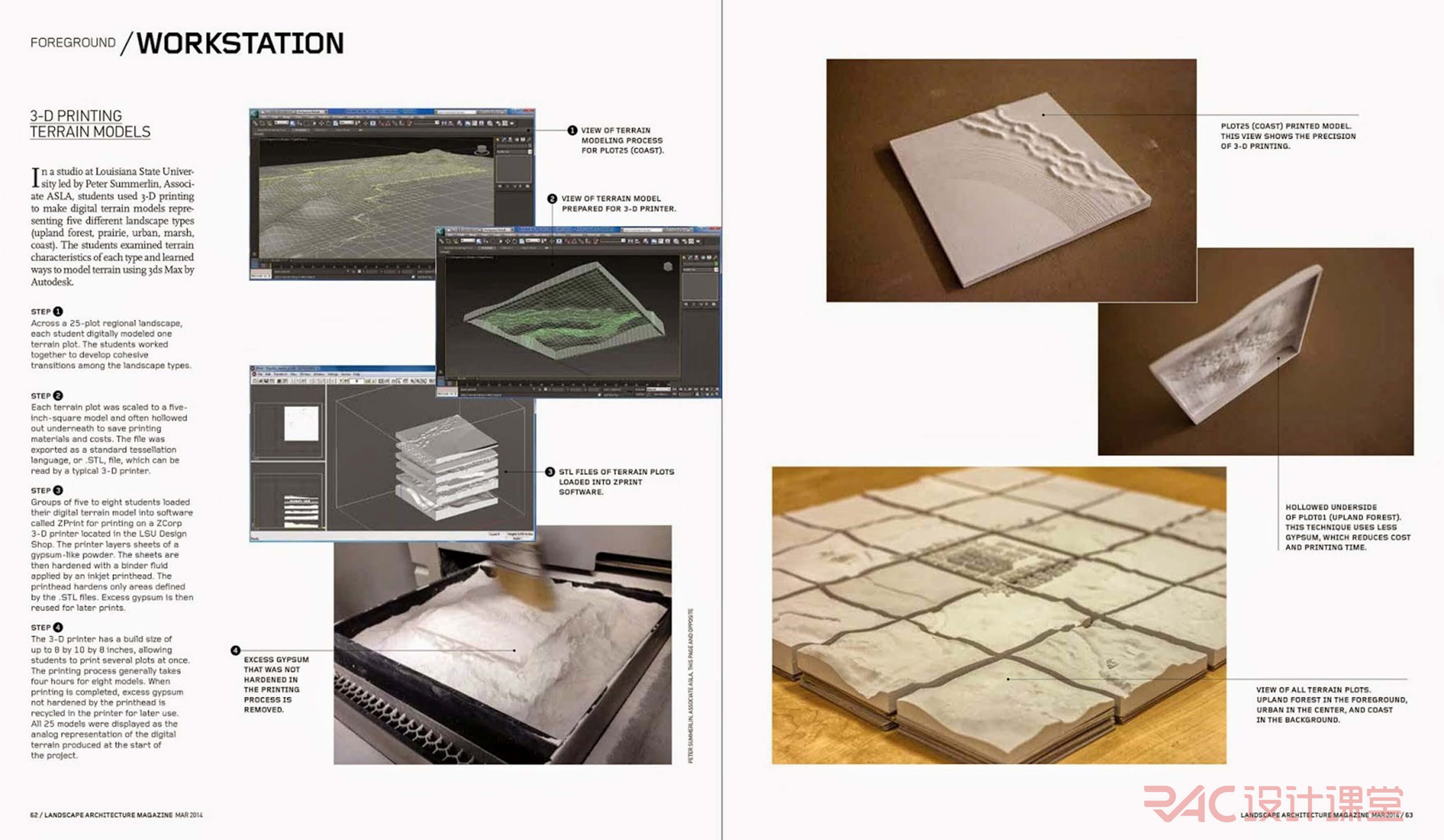
The goal for the projects is to first push students generating natural mimicking methods and design thinking for problem solving , and then prepare students for the transition from the academy to practice by developing and constructing innovative solutions that can be tested and evaluated.