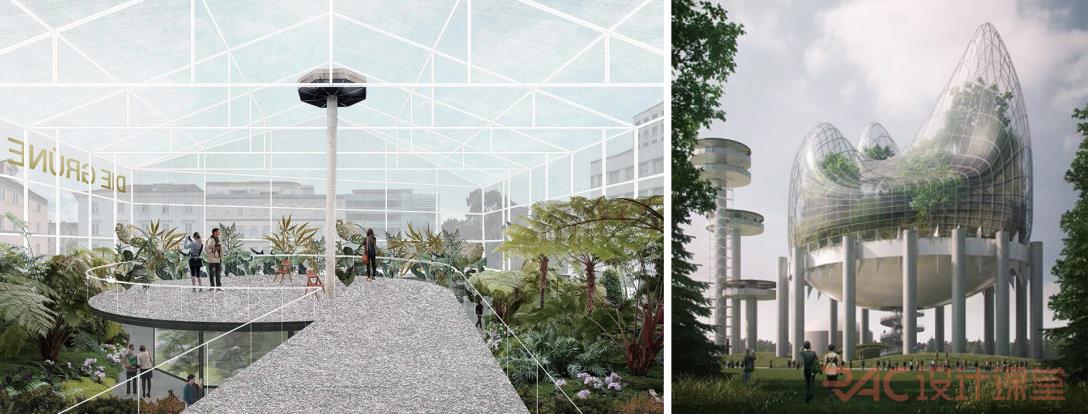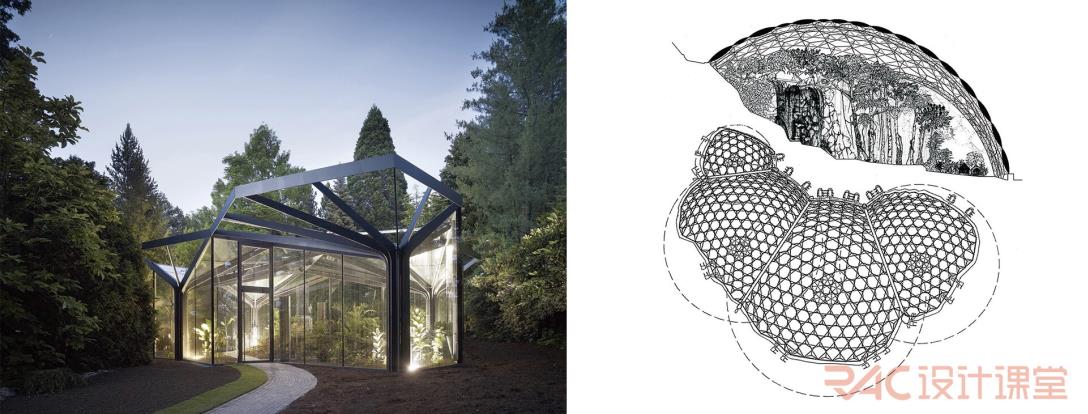
Prelect way | online/offline(中英文教学)
Studio Schedule | (undetermined)
Number of students | 6-12
Project Type | A large-scale architectural design / Public building / Specific building typology
Major | Architecture / Landscape Architecture
Student Level | 4th year and above.
Required skills | Large scale model making and visual renderings.
Recommended Reading | 1. The Function of Form: Farshid Moussavi
2. The Function of Style: Farshid Moussavi
Any relevant research into the conservatory/greenhouse as a building typology, site visit, research into plants and landscape, garden design.
注:未签约学员咨询报名前咨询客服主页菌; 已经签约RAC学员可用1v1课时兑换
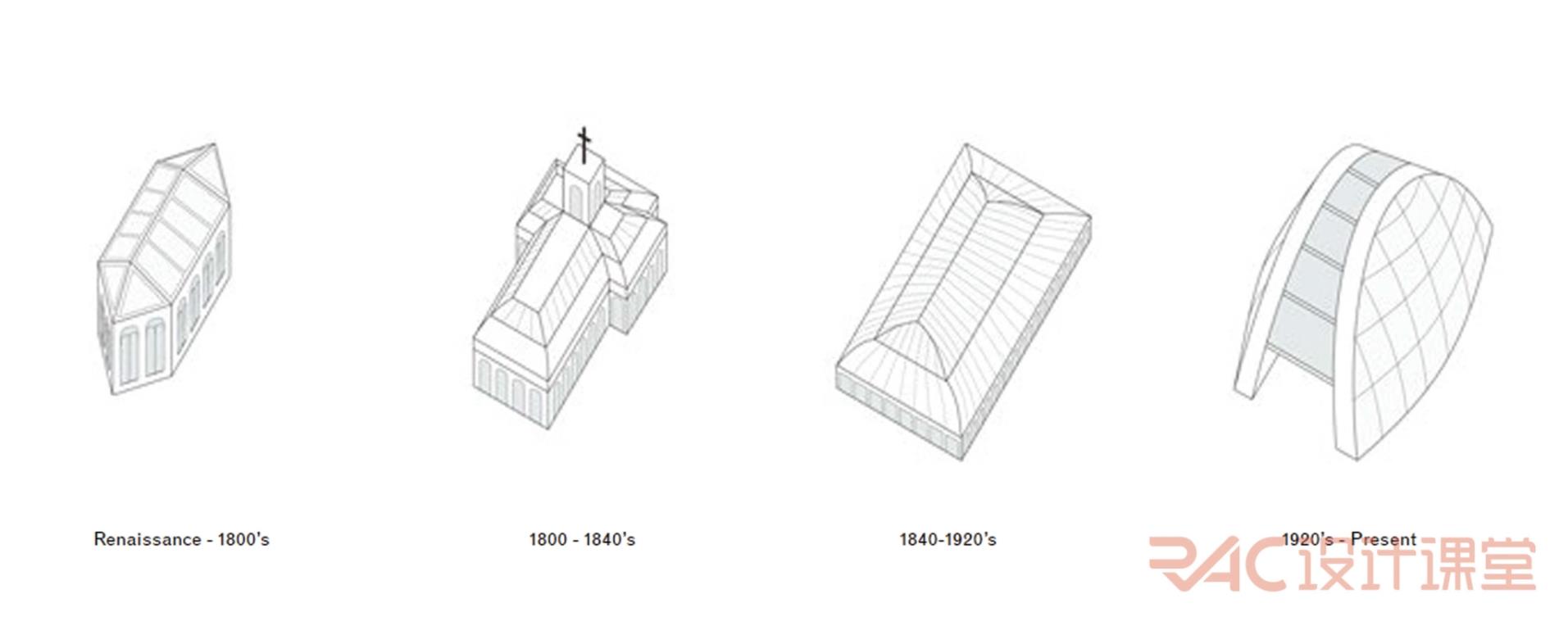
Conservatories originated in the 16th century when wealthy landowners sought to cultivate citrus fruits such as lemons and oranges that began to appear on their dinner tables brought by traders from warmer regions of the Mediterranean.
A conservatory by definition must have more than 50% of its wall surface glazed and at least 75% of its roof glazed with translucent materials, either polycarbonate sheeting or glass. Contemporary conservatories use a number of technologies to ensure glass is as energy efficient as possible, ensuring it lets in the maximum light possible while maintaining a steady temperature throughout summer and winter.
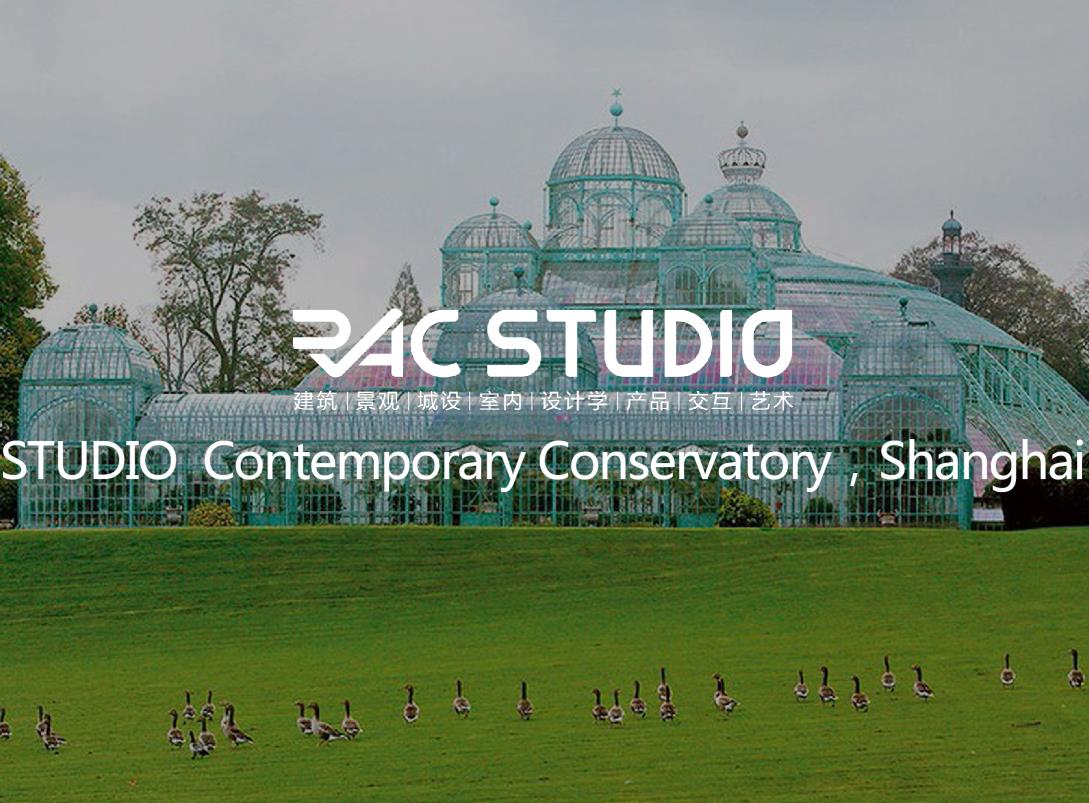
Nowadays, they have become symbols of technological wonder that rely on the shimmering transparency of an all glass shell to create a visual icon. On approach these buildings are intriguing structures but once inside often this architecture does little to contribute to an interior experience that is diverse and immersive.
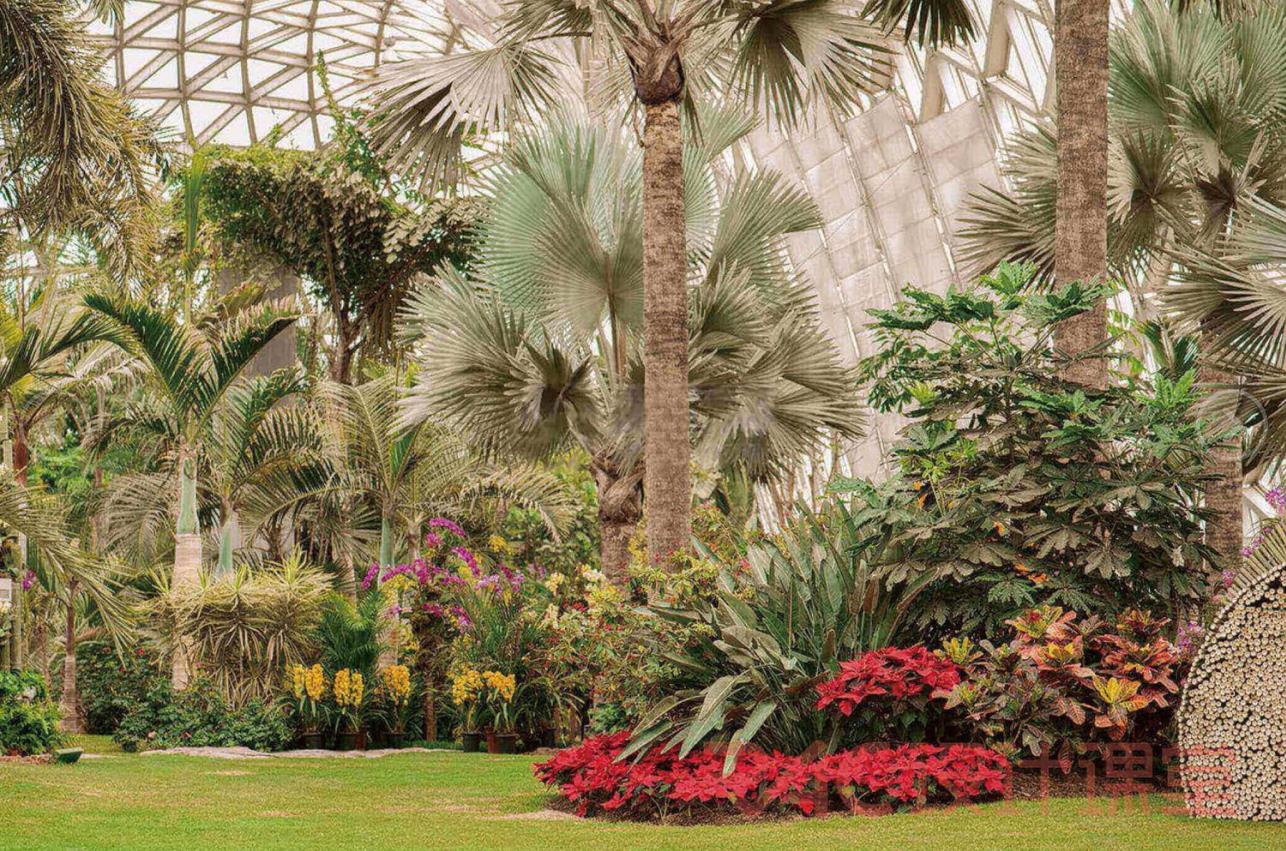
Brief
To design a contemporary conservatory in the botanical gardens of Shanghai.
Location
Shanghai Botanical Garden 上海植物园
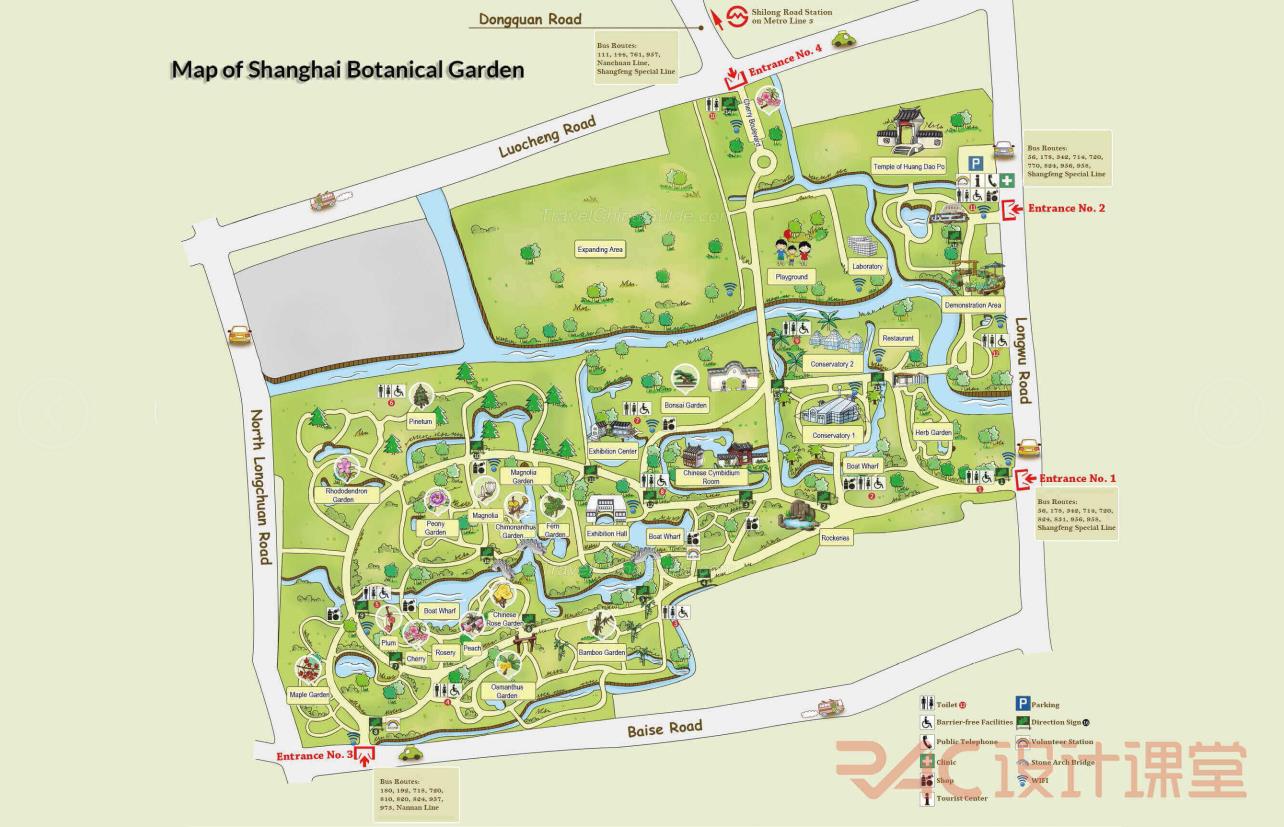
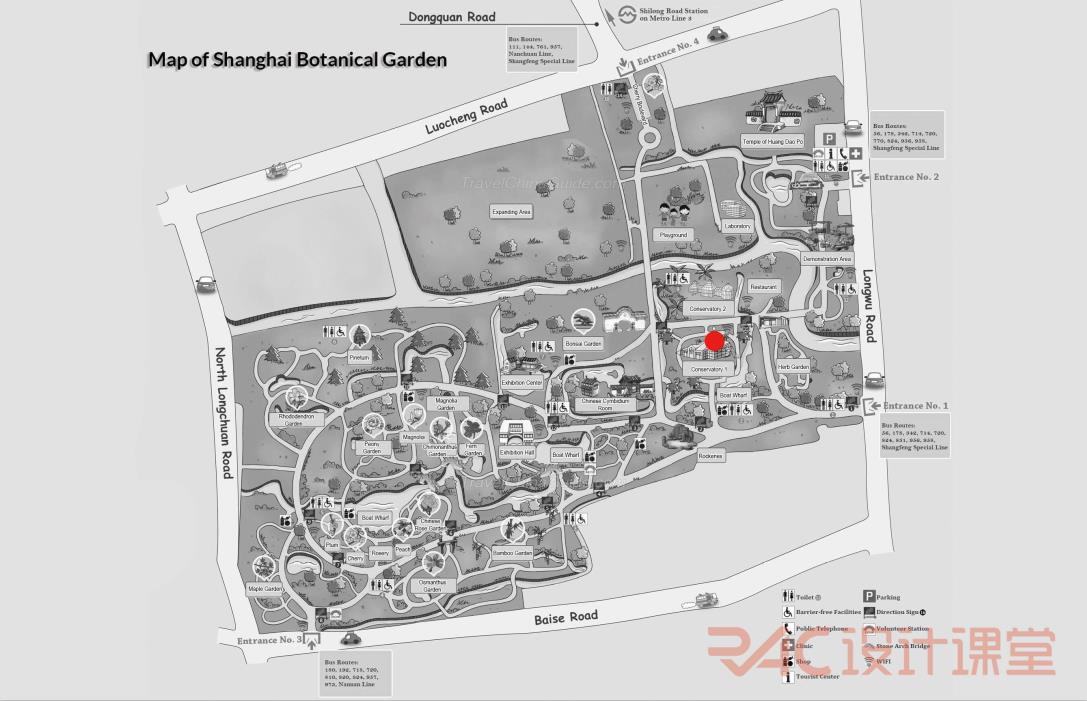
Site
Conservatory 1 温室1
Current situation
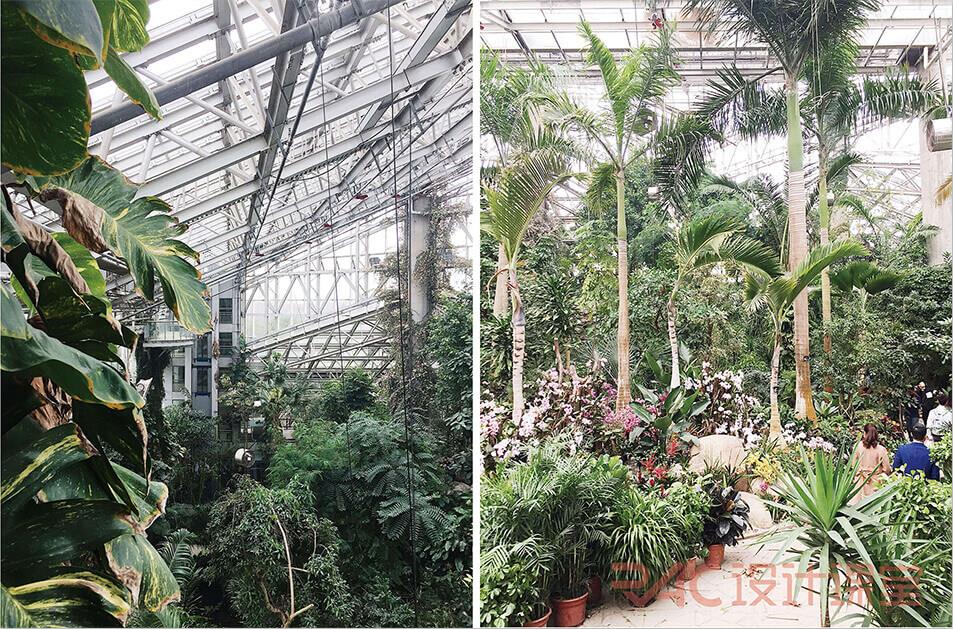
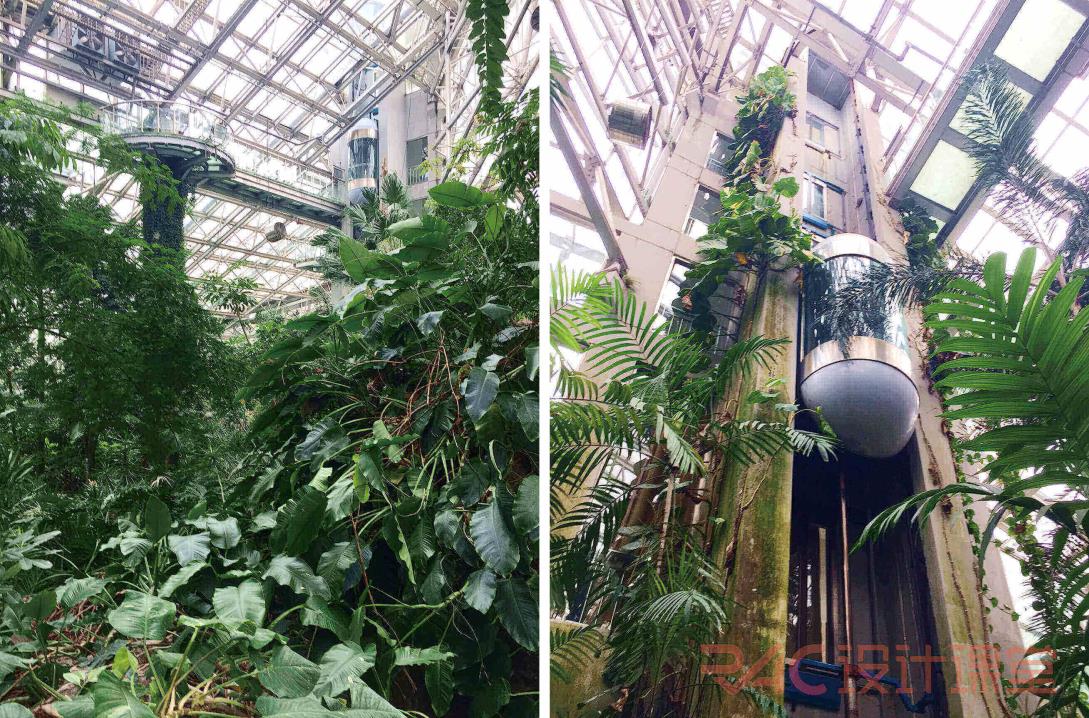
The studio will research into the history and evolution of conservatories as a building typology. It will also look into the diverse collection of plants cultivated within Shanghai’s subtropical monsoon maritime climate. Structure and construction will also be a key focus of this studio.
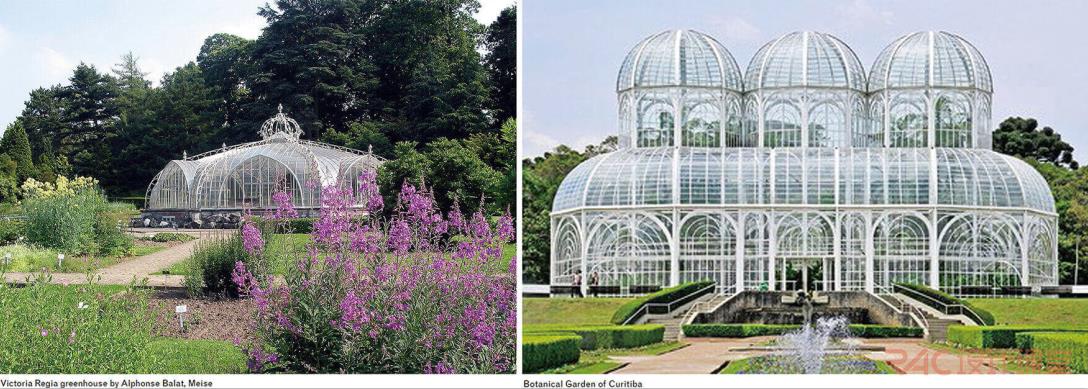
The crystal palace
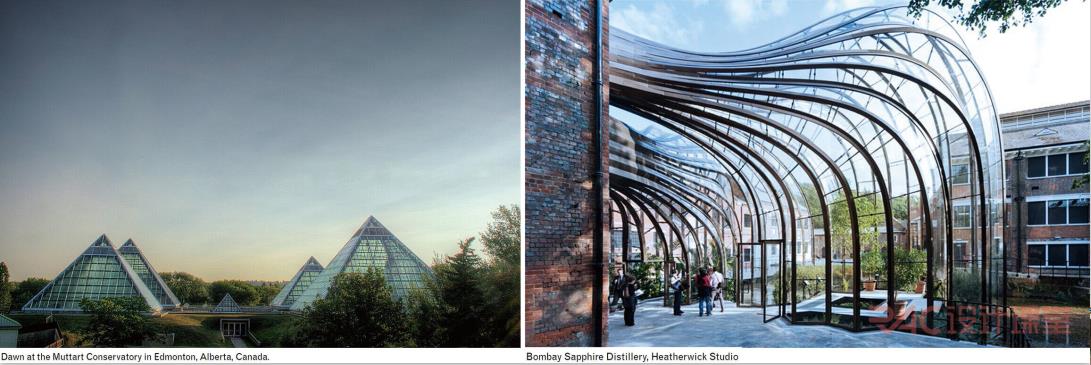
The natural and modern technology
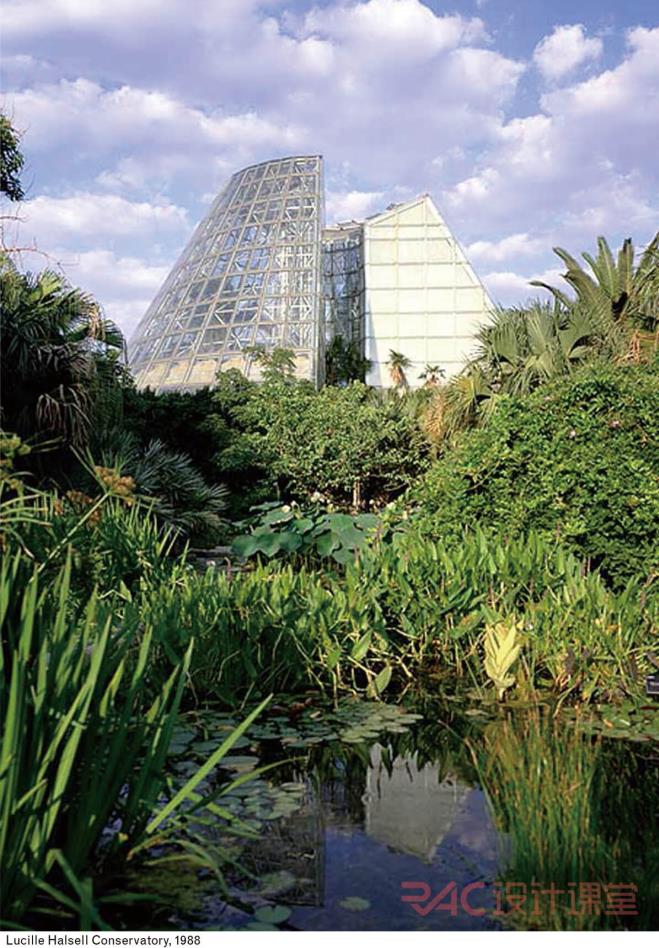
Why do we cultivate plants
Many cities, especially those in cold climates and with large European populations, have built municipal conservatories to display tropical plants and hold flower displays. This type of conservatory was popular in the early nineteenth century, and by the end of the century people were also giving them a social use (e.g., tea parties). Conservatory architecture varies from typical Victorian glasshouses to modern styles, such as geodesic domes.
The studio will focus on large model making and drawings/images to explore spatial atmosphere and materiality