授课方式 | 线上
课程类别 | 适合申请建筑、城设专业的同学
项目尺度 | 尺度不限
课前准备 | 课程开课前,掌握Rhino, Adobe Creative Suit, Grasshopper (Optional), Vray etc,阅读课程详情书籍
授课时间 | 2020年2月29(暂定),持续5周时间
Studio人数 |6-8人
注:未签约学员咨询报名前咨询客服主页菌; 已经签约RAC学员可用课时兑换
Studio 背景
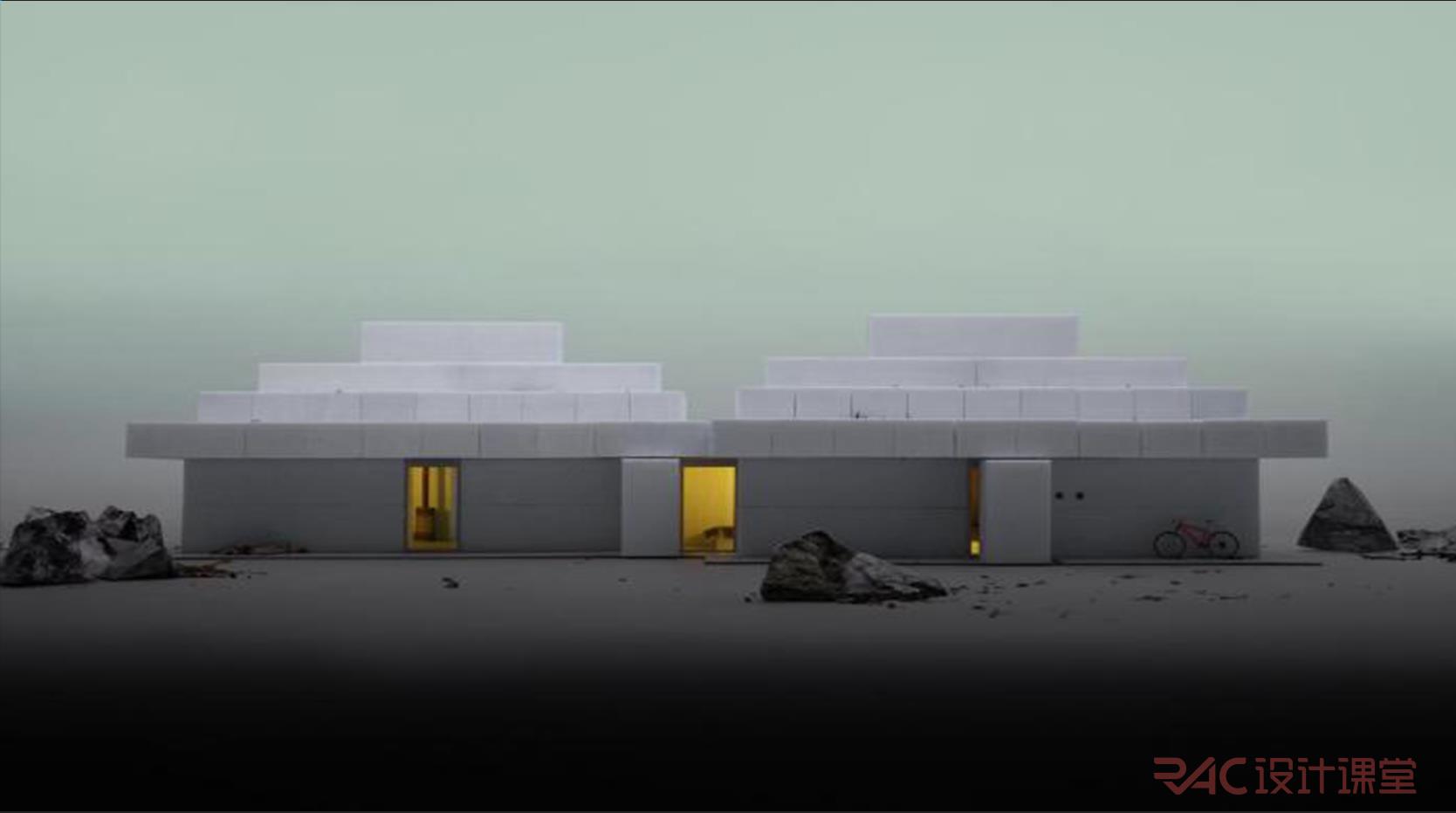
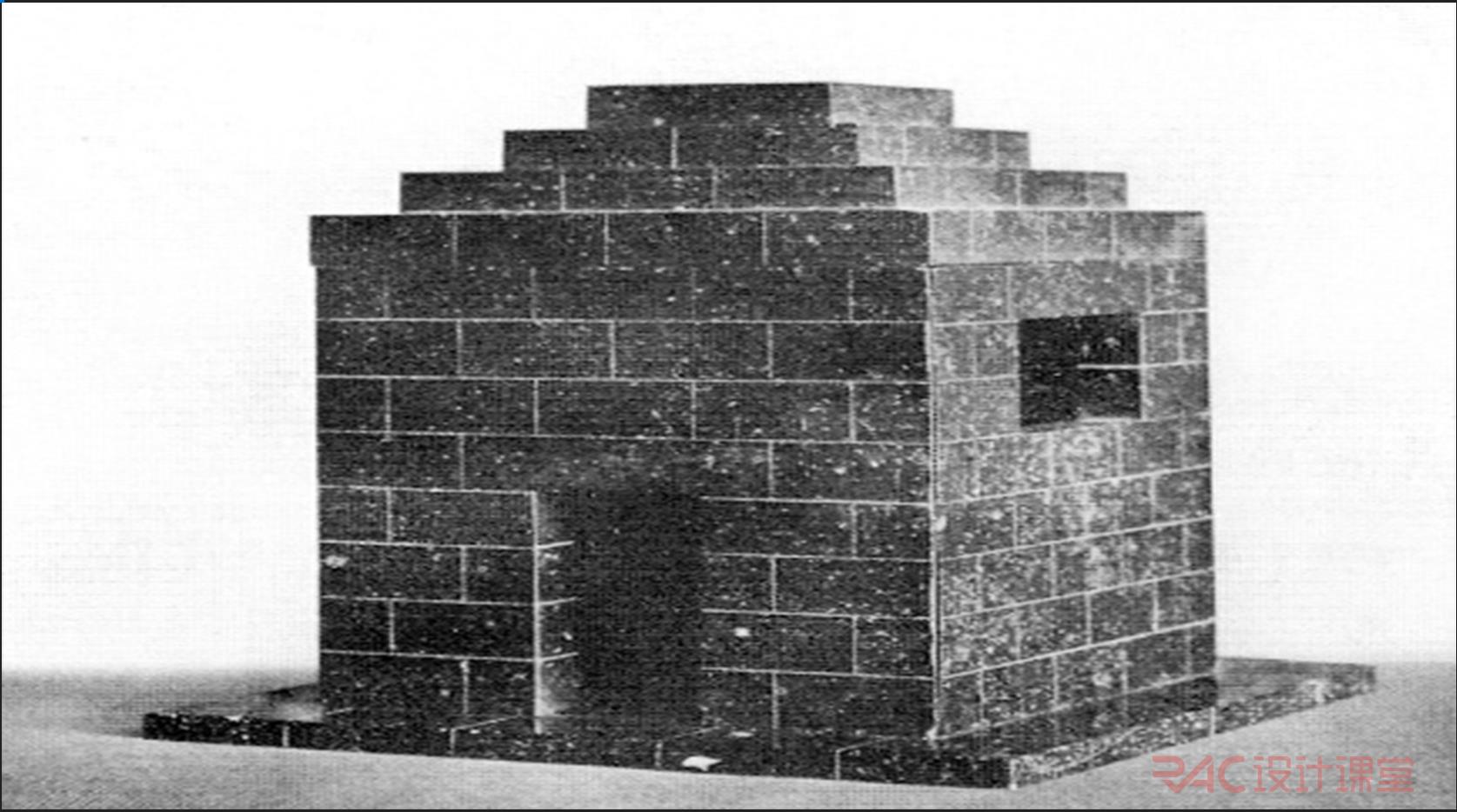 Image from MOS Architects House No.10 & Adolf Loos, Model, Mausoleum for Max Dvorak
建筑文化是基于误读以及经过调整的故事。在时间和空间维度上对远方事物的错误阅读,简化和肤浅的解释,已成为近代许多先锋派的动力。也许可以说,只有相对“愚蠢”的头脑和朴素的灵魂才能“荒谬”地勇敢前行,毫无犹豫地冒着危险和怀疑。(或者说,总体而言,建筑师并不是所有人中最聪明的人,因为被个人的野心蒙蔽了双眼)尽管这听起来可能有很多问题,但我相信只有这种直言不讳与适当的文化生产表达的浓厚兴趣或至少深深的迷恋相吻合,我就应该允许自己有些“愚蠢”也许可以说这种现象并非建筑独有,艺术,习俗甚至一般文化都是基于外在表达及其残余,通常与它们产生的实际背景完全脱节。因此,误读是一种文化传播的方式。此次设计课程以几组新老建筑师作品(双重体)的误读作为切入点,让学生了解,分析误读作为一种生产方式是如何演化为一个新的建筑作品的。在此基础之上,课程将提供几组关键词和场地但并不局限于此以引导学生发掘自己感兴趣的误读着眼点和方式,并最终完成从困难的双重体到一个新的整体的建筑创作。
The culture of architecture is based on misunderstandings and tweaked stories. Bad reading, simplification and superficial interpretation of something far away, both in space and time, has been the engine of quite many of the avant-gardes of the recent past. Perhaps, one could argue that only silly minds, and simple souls are able to head forward in a preposterous act of bravery, without fear, without hesitation, with the danger and the doubt at arm length. (or that architects in general are not the brightest of all people, blinded by personal ambition) As problematic as this all may sound, I believe we should allow ourselves a bit of stupidity, as long as this bluntness coincides with a deep interest or at least a profound fascination for the expressions of cultural production that are appropriated. Perhaps, it is possible to argue that this phenomenon is not exclusive to architecture, and that the culture of the arts, of customs, or even culture in general is based on outer expressions and the remnants of them, often in complete disconnection to the actual context in which they came about. Misinterpretation thus, is the way in which culture travels. This design studio takes the misreading of several groups of old and new architects’ work (the difficult double) as the starting point, allowing students to understand and analyze how misinterpretation could become a productive method and how it could evolve into a new architectural work. The course will also provide several sets of keywords and sites (but not limited to that) to guide students explore their own method and interest of misinterpretation which is from difficult double to a new whole and complete the final project.
Studio 大纲
课程总共分为四个阶段,通过逐步提升的训练,完成一个相对完整和成熟的设计作品。
Phase I Research & Analysis 研究与分析
DVVT x Eric Owen Moss
Pascal Flammer x Kazuo Shinohara
Point Supreme x Elia Zenghelis
Martino Tattara (DOGMA) x Giovanni Battista Piranesi
Michael Meredith (MOS) x The New York Five
Francois Charbonnet (Made In) x Jean Nouvel
Pier Paolo Tamburelli (Baukuh) x McKim, Mead&White
Frida Escobedo x Alvaro Siza
Go Hasegawa x Kazunari Sakamoto
Wonne Ickx (Productora) x Ricardo Legorreta
Bijoy Jain (Studio Mumbai) x Louis I.Kahn
Oliver Thill (Atelier Kempe Thill) x Heinrich Tessenow
Yoshiharu Tsukamoto (Atelier Bow Wow) x Robert Venturi
Elli Mosayebi (EMI Architekten) x Luigi Caccia Dominioni
Adamo Faiden x Abalos Herreos
Wilfried Kuehn (Kuehn Malvezzi) x Carlo Molino
Sam Jacob (FAT Architecture) x John Soane
Emanuel Christ (Christ & Gantenbein) x Hans Poelzig
Mark Lee (Johnston Marklee) x Frank O. Gehry
…
Not limited to this and will guide to select architects’ specific work
Ps: Some groups maybe boring, some maybe horrible and some of which the influence maybe not that appearent.. the student could choose, replace or propose their own and I will help through my knowledge.
有些组可能很“无聊”,有些组可能很“糟糕”,还有些组其中的影响可能没有那么明显,学生可以自行选择,替换或者提出自己感兴趣的组合
在分析和研究的基础上进行场景置换的拼贴系列训练以生产有张力和诗意并能形成在建筑学意义上有价值的解读
制作成果类似如下(但不局限于):
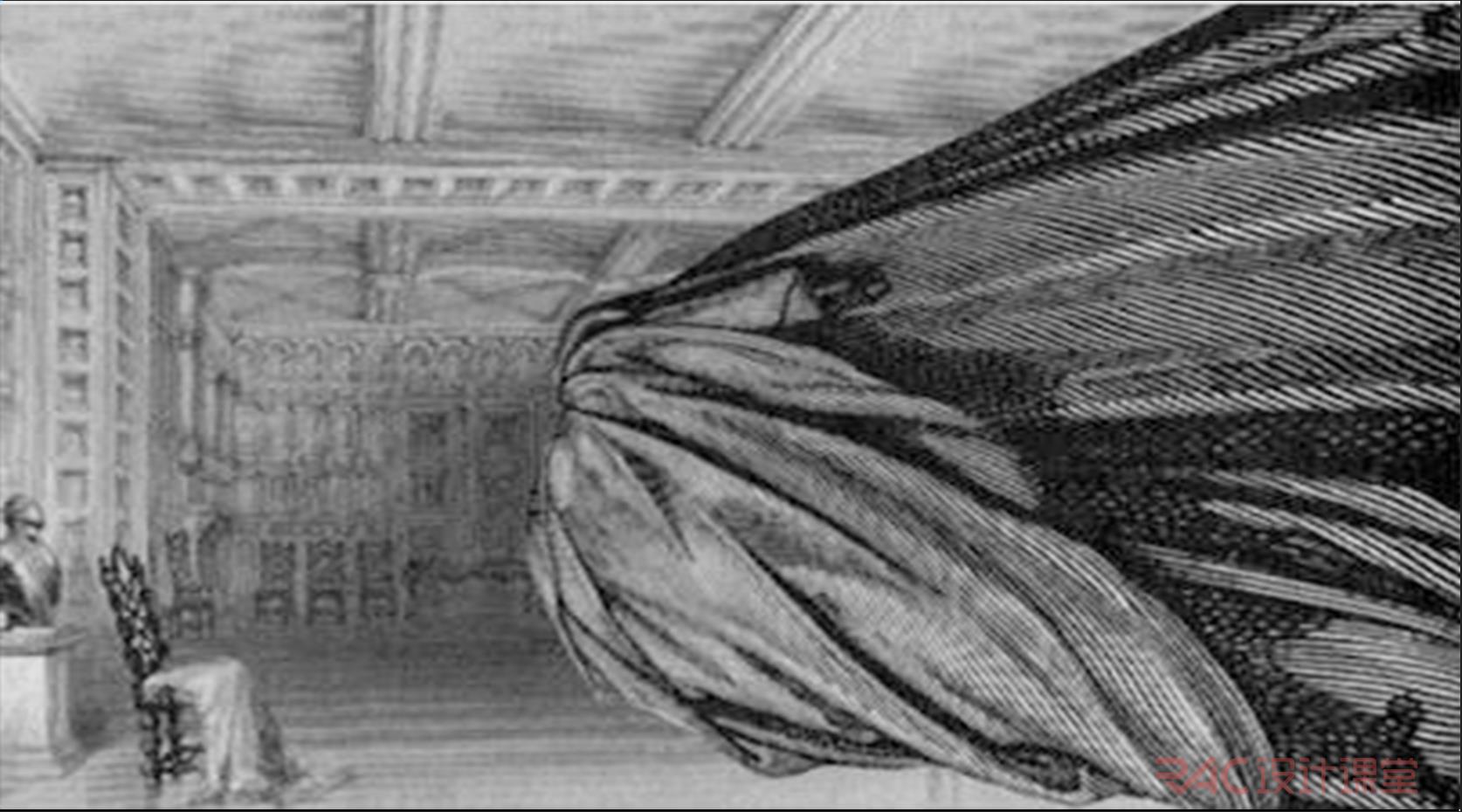
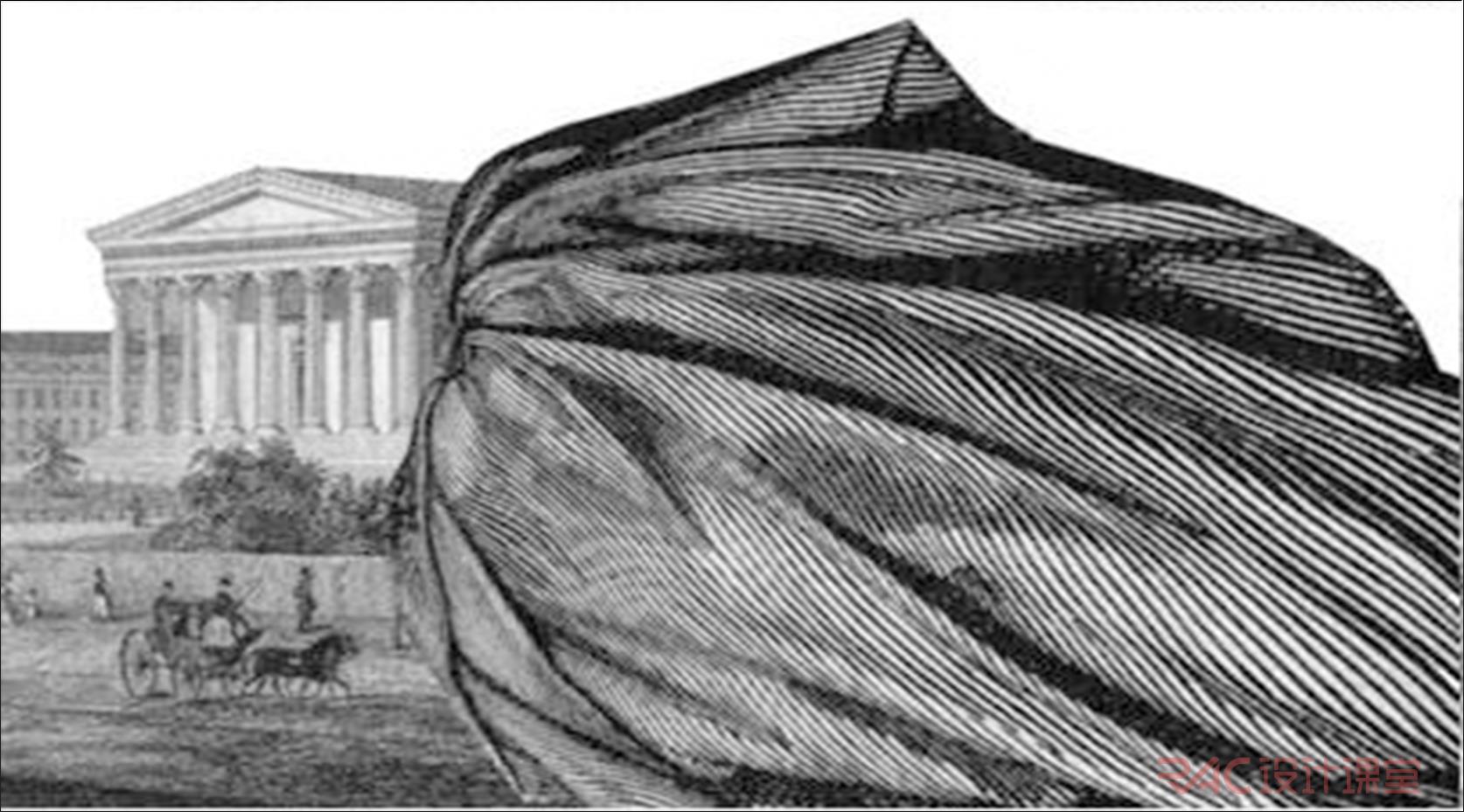
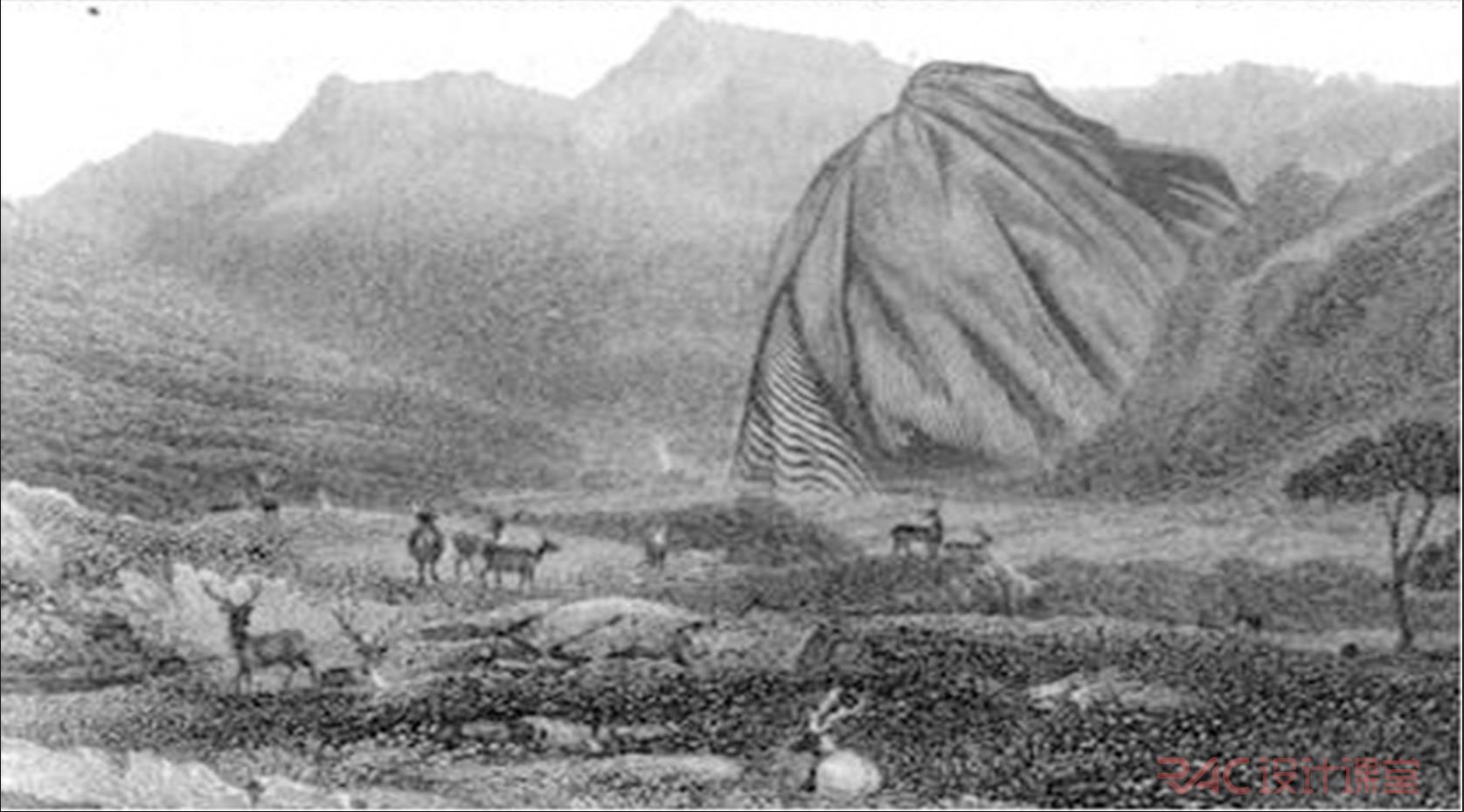
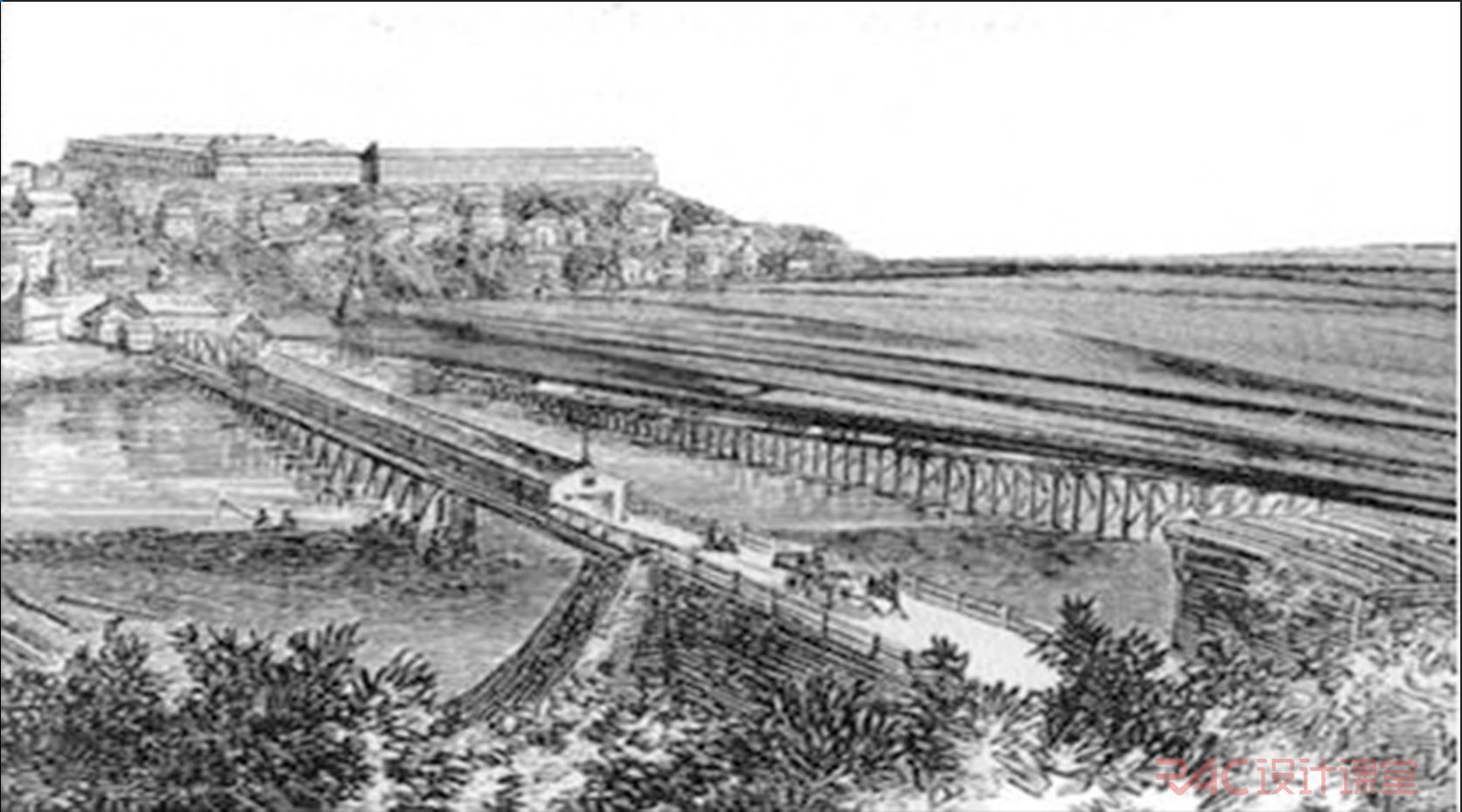
Diagram Deployment, Reiser+Umemoto, Atlas of Novel Tectonics, 2006.
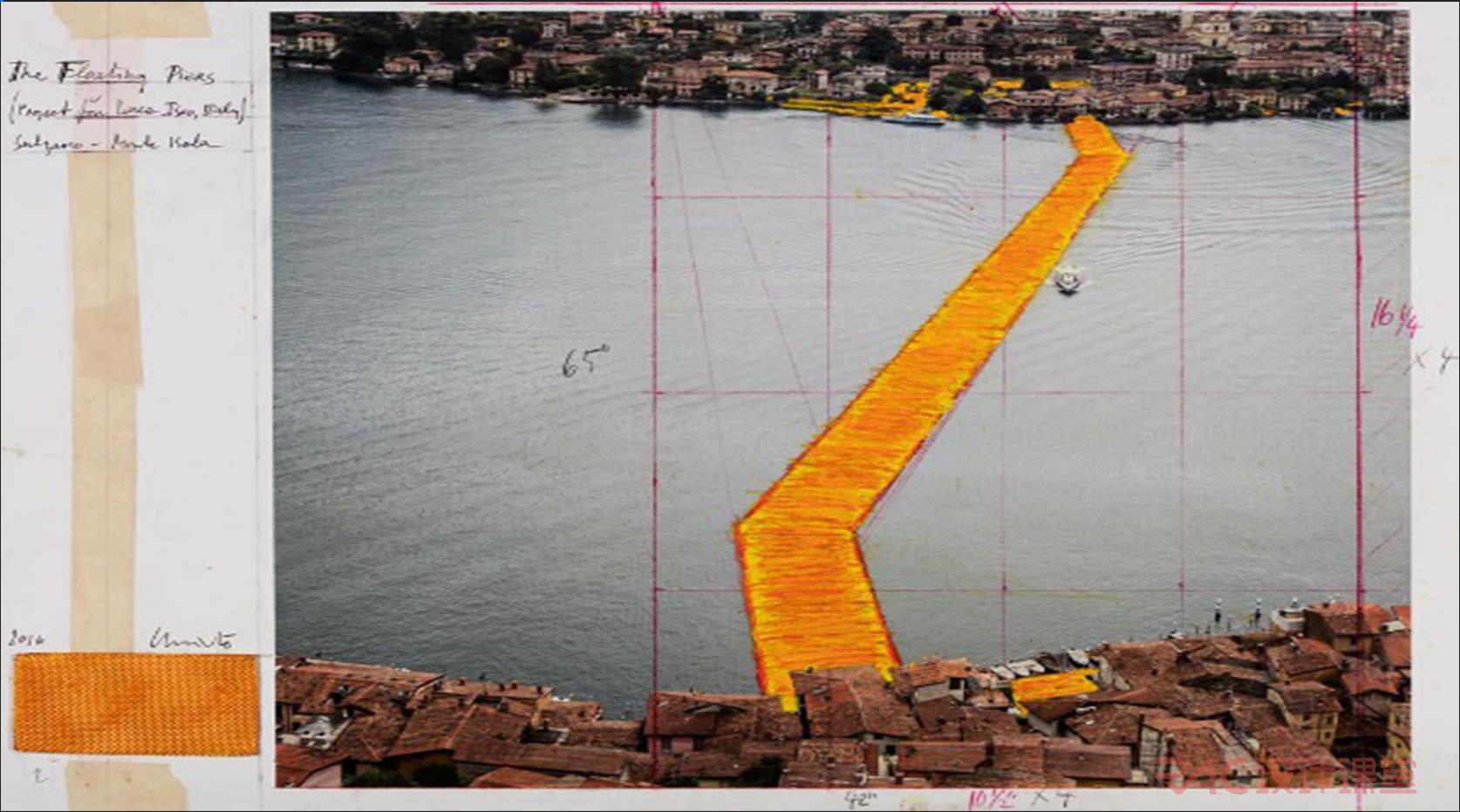
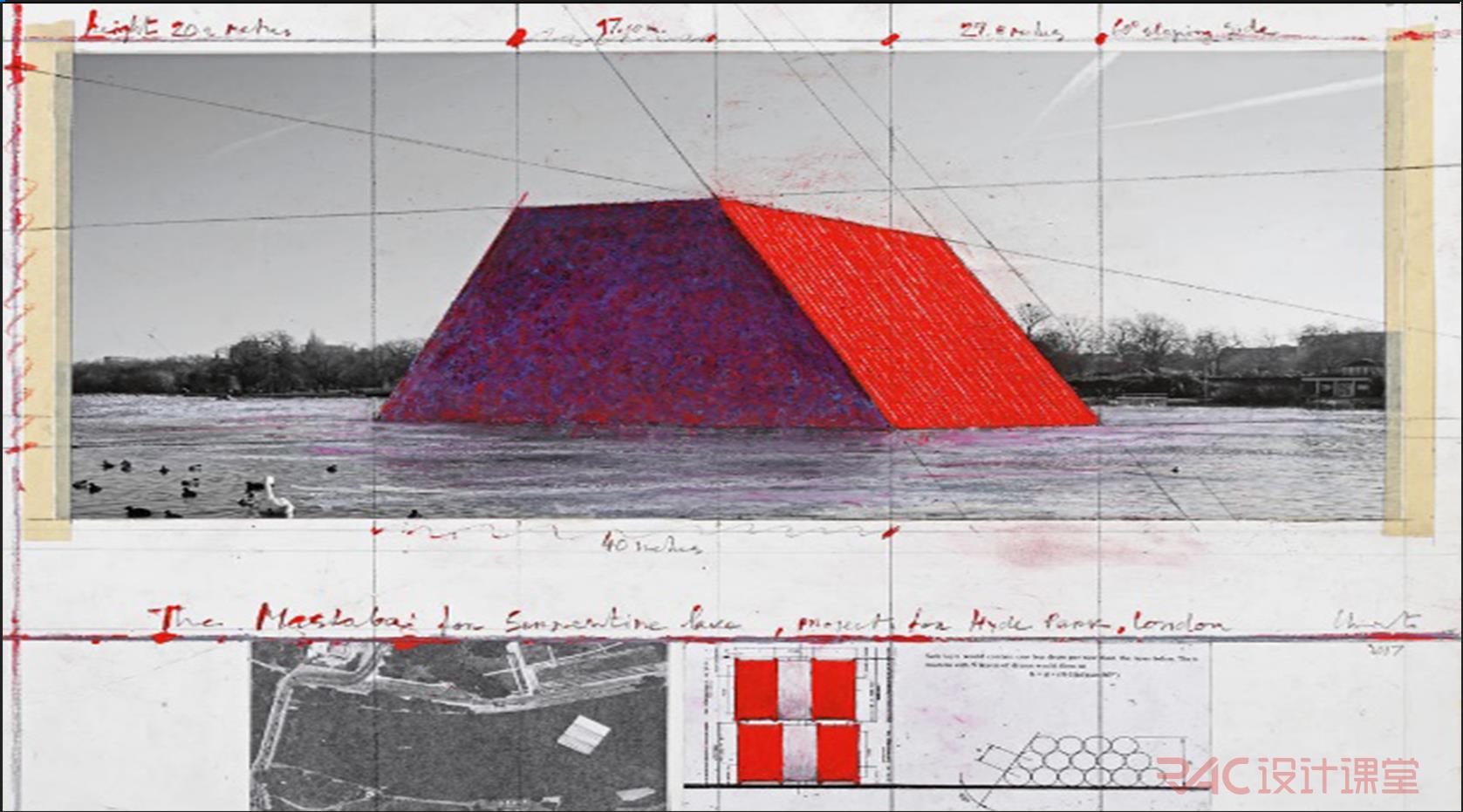
Credit from Christo and Jeanne Claude, The Floating Piers
Phase II Protype Design 原型设计
在前一阶段研究与分析的基础上,学生保留之前选择组内的一位建筑师作品并从其他组内挑选另一位自己感兴趣的作为新的一组配对,从而既保留了前一阶段研究分析工作的连续性又形成了一种新的组合。关键词将会给到学生以引导其在第一阶段的成果基础上探索和发展自己感兴趣的着眼点并进行原型设计。
关键词(TBA)
制作成果类似如下(但不局限于):
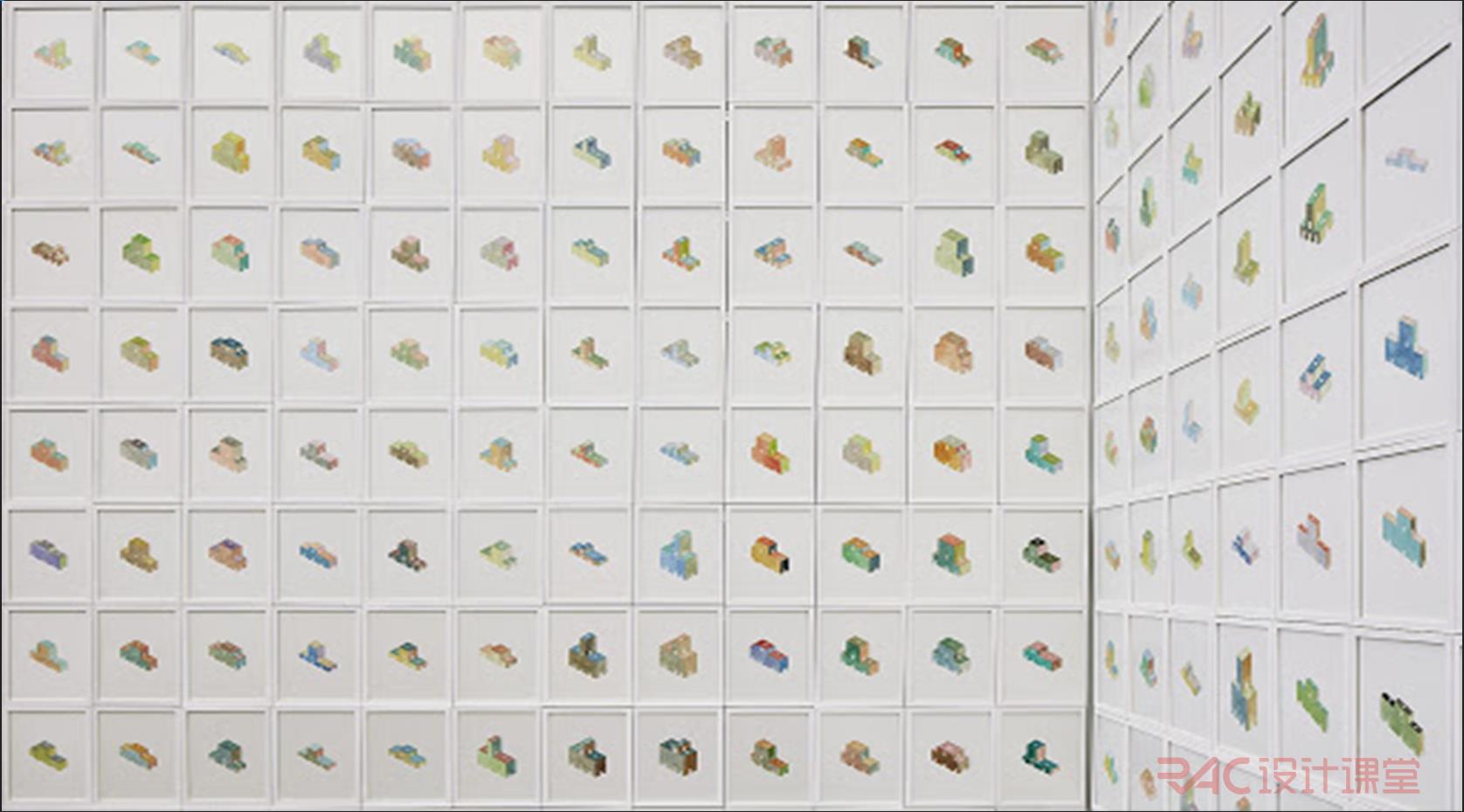
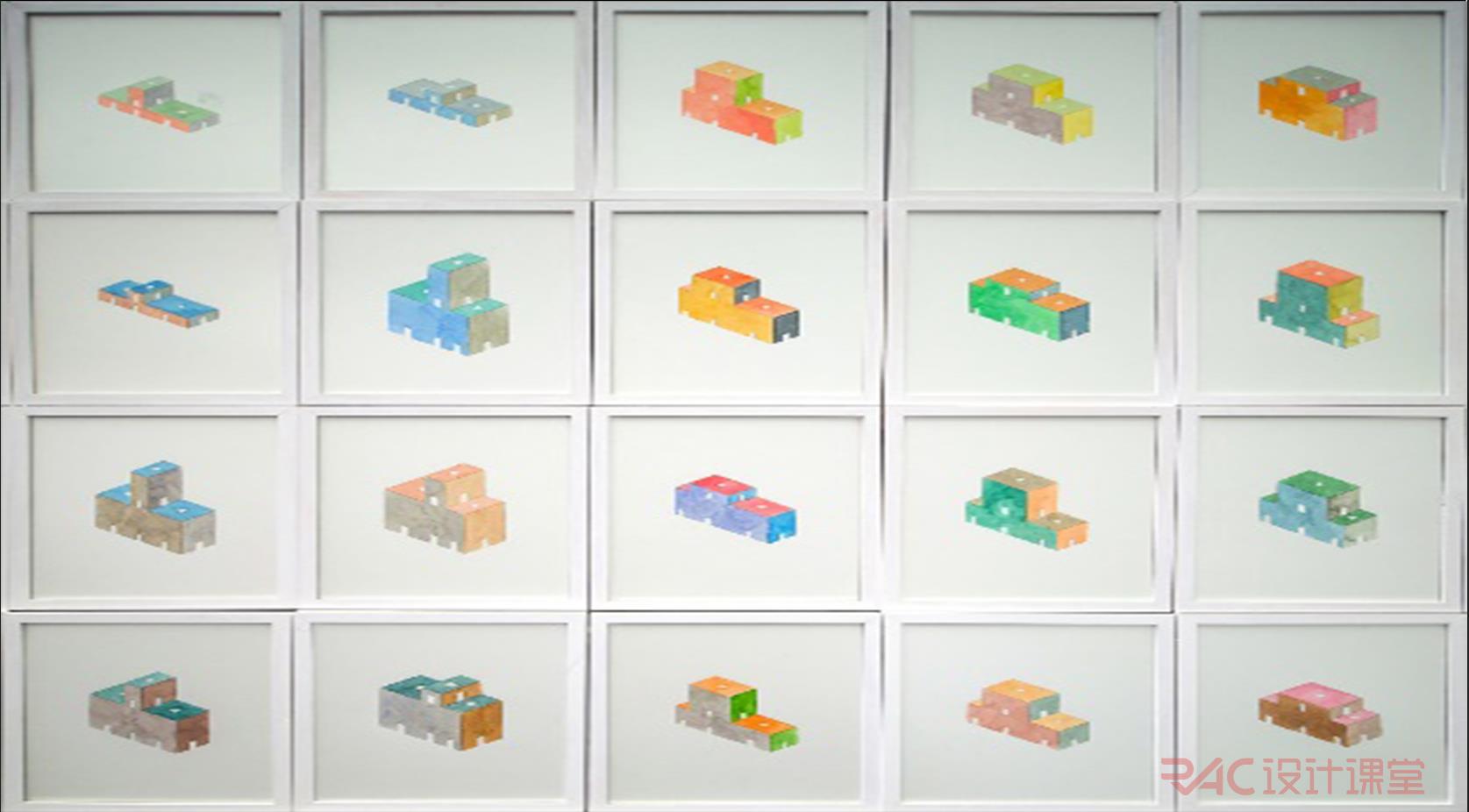
Credit from Pezo von ellrichshausen, Chicago Architecture Biennale, 2017
Phase III Architectural Design 建筑设计
学生在原型设计的基础上将其放到具体的场地,场地除非有个人特别充分的理由可进行自由选择,否则应在前两阶段研究分析的三位建筑师的三个具体项目的场地中任选一个作为继续发展原型设计以成为一个建筑项目的场地。建筑设计发展的方向应紧密结合前两阶段所提取的兴趣点并与原有建筑产生对话以形成一个新的整体,项目功能,尺度,类型自定。
深化方案设计,落实设计细节,强化概念在空间的表达,润色空间气氛。
制作成果类似如下(但不局限于):
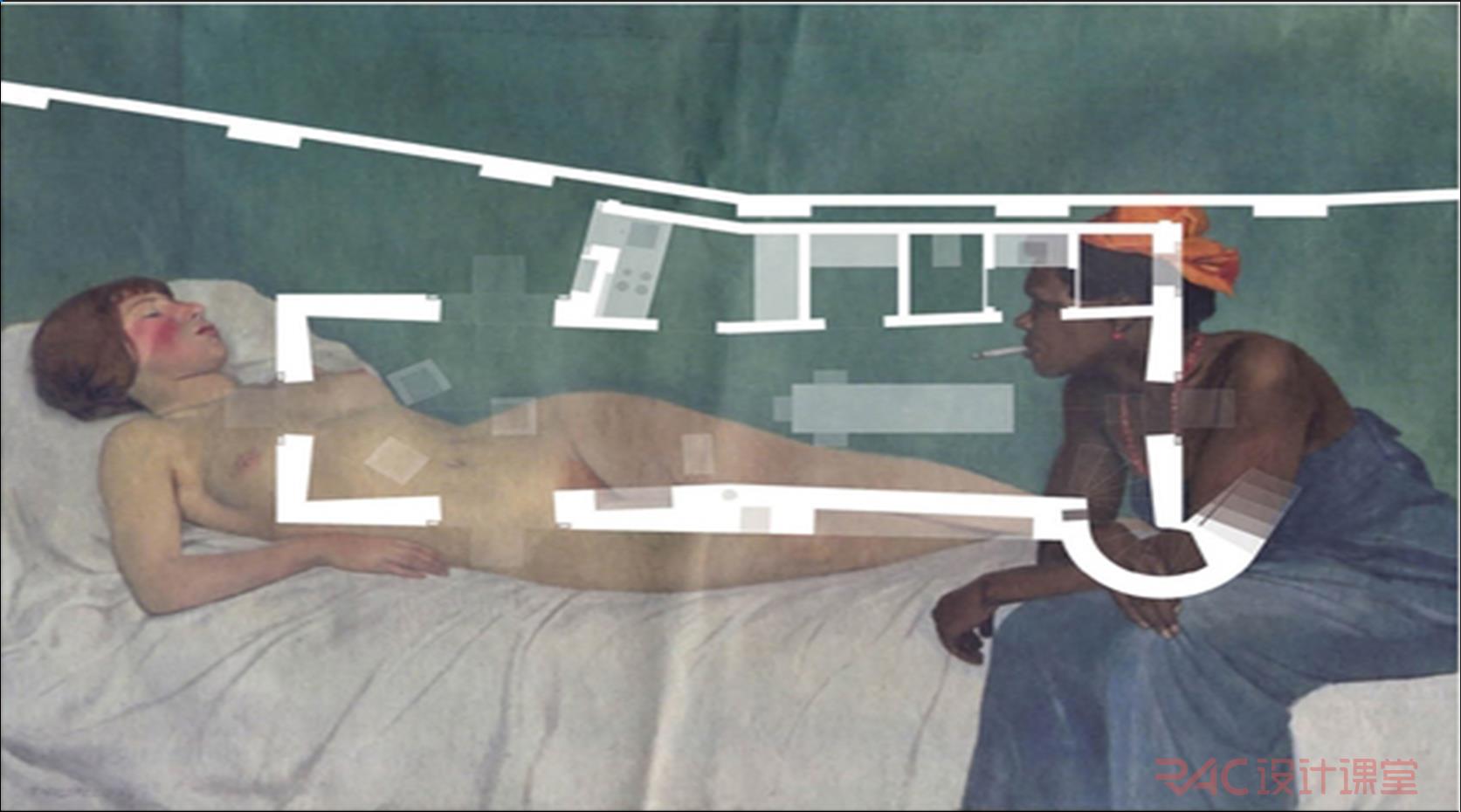
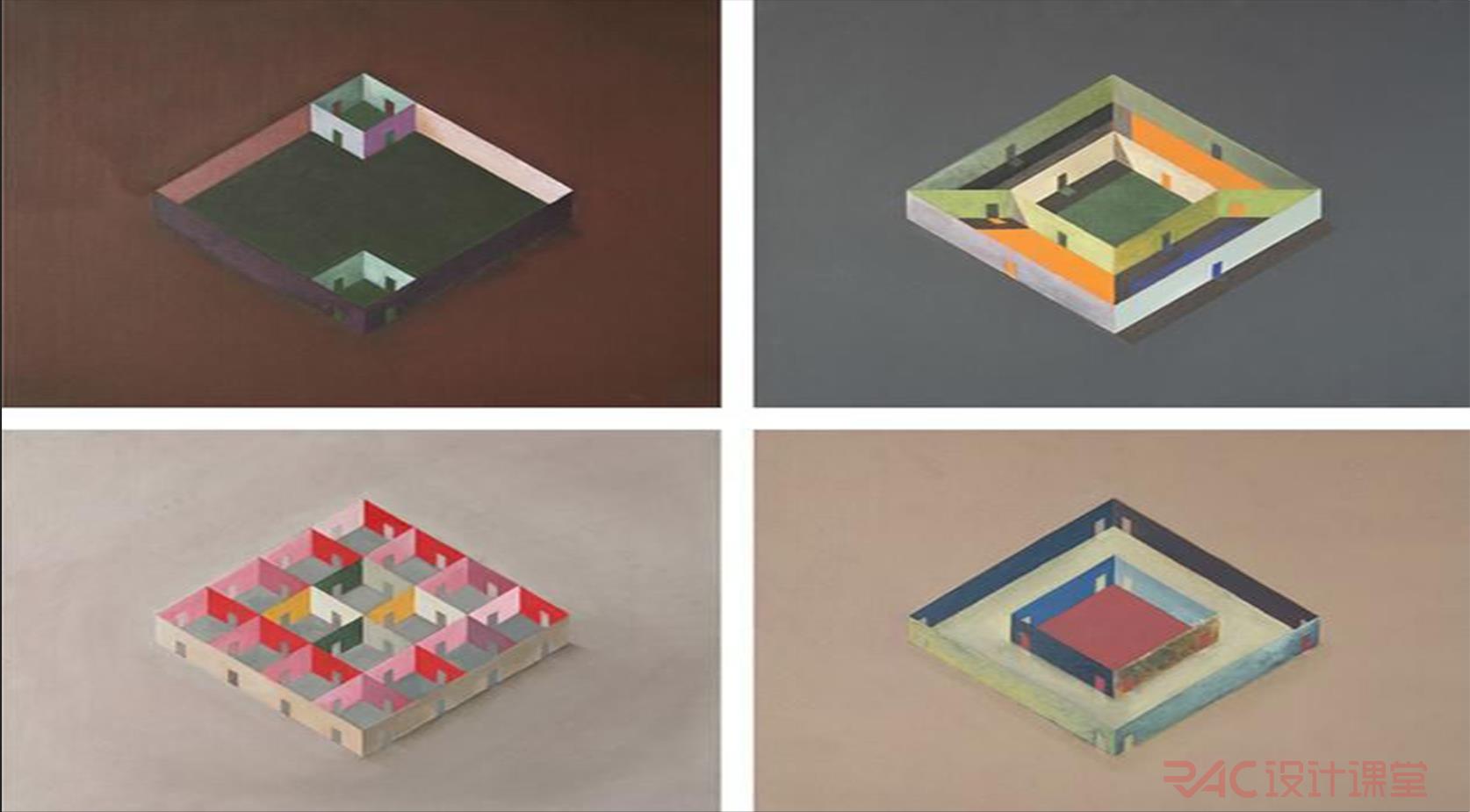
Credit from Pascal Flammer & Pezo von ellrichshausen
Phase IV Final Production 深化出图
制作强有力的平面,剖面,剖透视以及表现图,但不必面面俱到,应结合自身项目概念选择其中的一到两项进行重点突出,必要时制作模型展示设计。
制作成果类似如下(但不局限于):
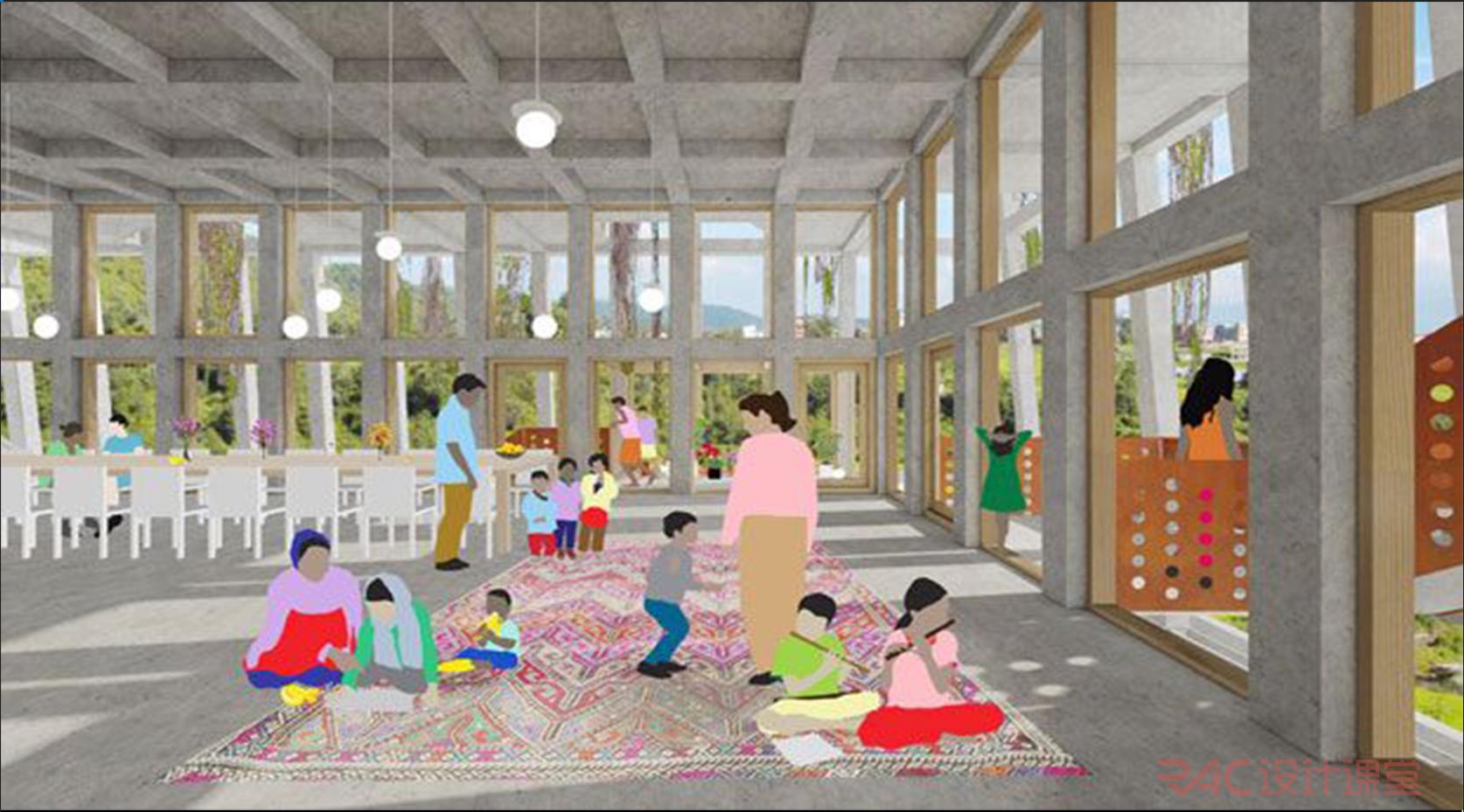
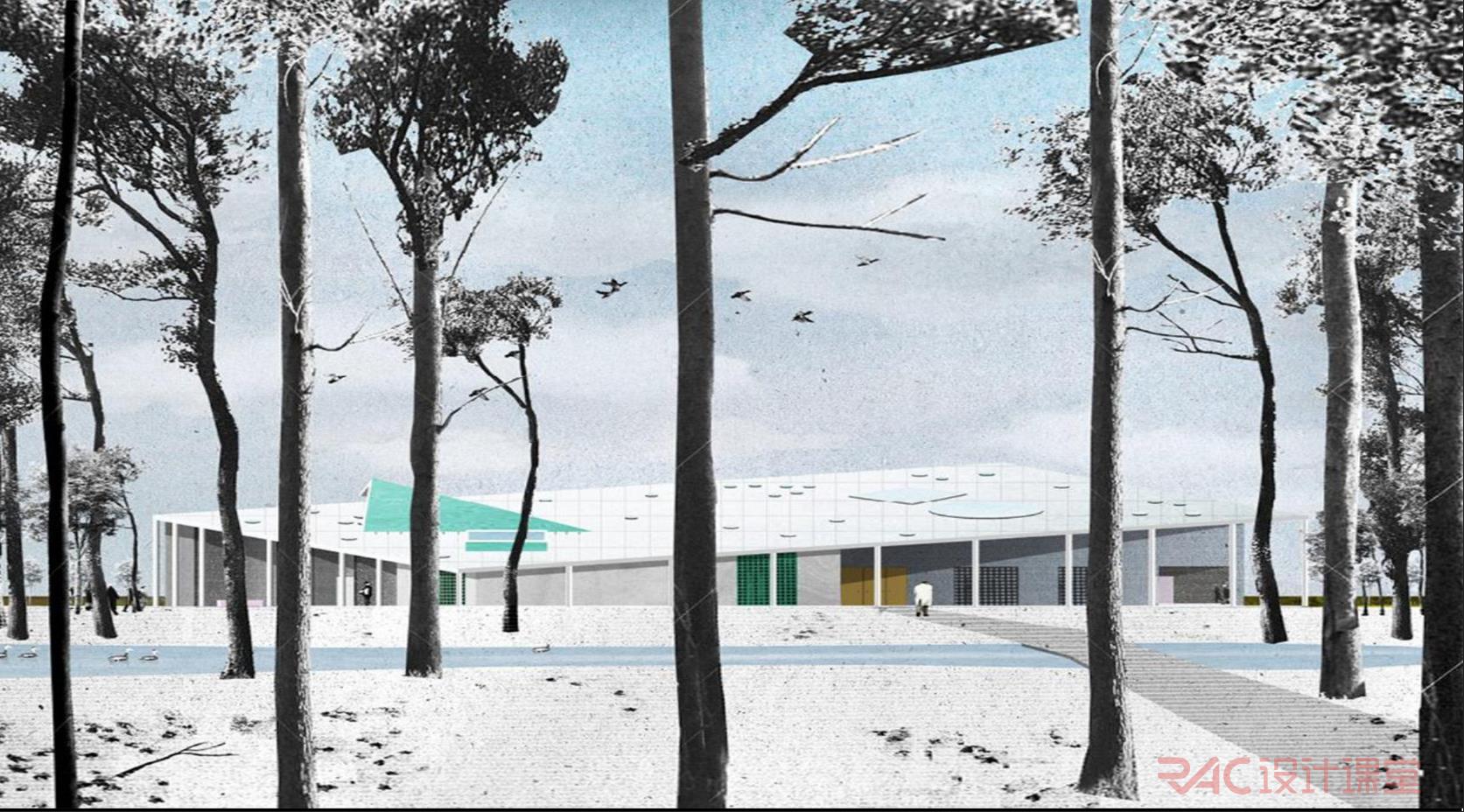
Credit from MOS Architects & KGDVS Office
课程成果(最终成果不局限于建筑设计,也可以是一个大尺度的城市设计)
1. 设计策略以及对操作手法的解读
2. 相关策略在空间,形式层面的运用
3. 平面,结构,景观,家具,流线的能力
4. 剖面关系,空间关系,结构关系,场景层次,空间氛围
5. 手工模型能力
6. 实景合成照片,室内表现图
课程目的
1. Analyze the projects selected during the studio in the context of the general theme.
2. Consider the relevance of the overall discourse in developing their design theories and skills.
3. Develop an argument to support his/her own position
4. Articulate a critical stance with in an architecture project
5. Formulate an original hypothesis
课程准备
Software:
Rhino, Adobe Creative Suit, Grasshopper (Optional), Vray etc.
Reading List:
Robert Venturi – Complexity and Contradiction in Architecture
Valerio Olgiati – Non-Referential Architecture
Michael Meredith – Log 39 - “Indifference, Again”
Michael Meredith – Log 44 – “44 Low-resolution Houses”
Mark Foster Gage – Log 40 – “Speculation vs. Indifference”
Harold Bloom – The Anxiety of Influence: A Theory of Poetry p5-p16
课程Schedule
Day1: MorningStudio Introduction + 分发Architect List & Reading List / Afternoon案例选取+讨论
Day2: Morning 案例分析+构思 /Afternoon 拼贴练习+讨论
Day3: Morning 1v1技术老师答疑 /Afternoon 第一阶段评图
Day4: Morning 案例置换+构思/ Afternoon 根据前期的分析研究提出概念+讨论
Day5: Morning 原型构思+讨论/ Afternoon 原型深化+讨论
Day6: Morning 1v1技术老师答疑 /Afternoon Midterm
Day7: Morning 从之前的三个建筑的具体案例中选择其一作为场地+讨论/ Afternoon 将原型放入场地进行概念调整+讨论
Day8: Morning 将场地原有建筑纳入概念体系+讨论 /Afternoon 明确建筑的尺度,功能和类型+讨论
Day9: Morning 1v1技术老师答疑 /Afternoon 设计深化+讨论
Day10: Morning 设计深化+讨论/ Afternoon 设计深化+讨论
Day11: Morning 设计深化+讨论/ Afternoon 1v1技术老师答疑
Day12: Morning 对各组方案提出进一步建议,分别讨论最终表达所需要的的图纸/ Afternoon 完善设计方案
Day13: Morning 对图纸表达提出修改建议/ Afternoon 1v1技术老师答疑
Day14: Morning Final/ Afternoon Final