授课方式 | 线上
课程类别 | 适合申请景观方向的同学
项目尺度 | 大尺度景观生态项目
课前准备 | 课程开课前熟悉Autocad, Adobe series,Rhino/Sketchup等软件的操作,了解通过这些软件做图的基本方法。
授课时间 |2020年5月26日(暂定)
Studio人数 | 12人
注:未签约学员咨询报名前咨询客服主页菌; 已经签约RAC学员可用课时兑换
Studio背景
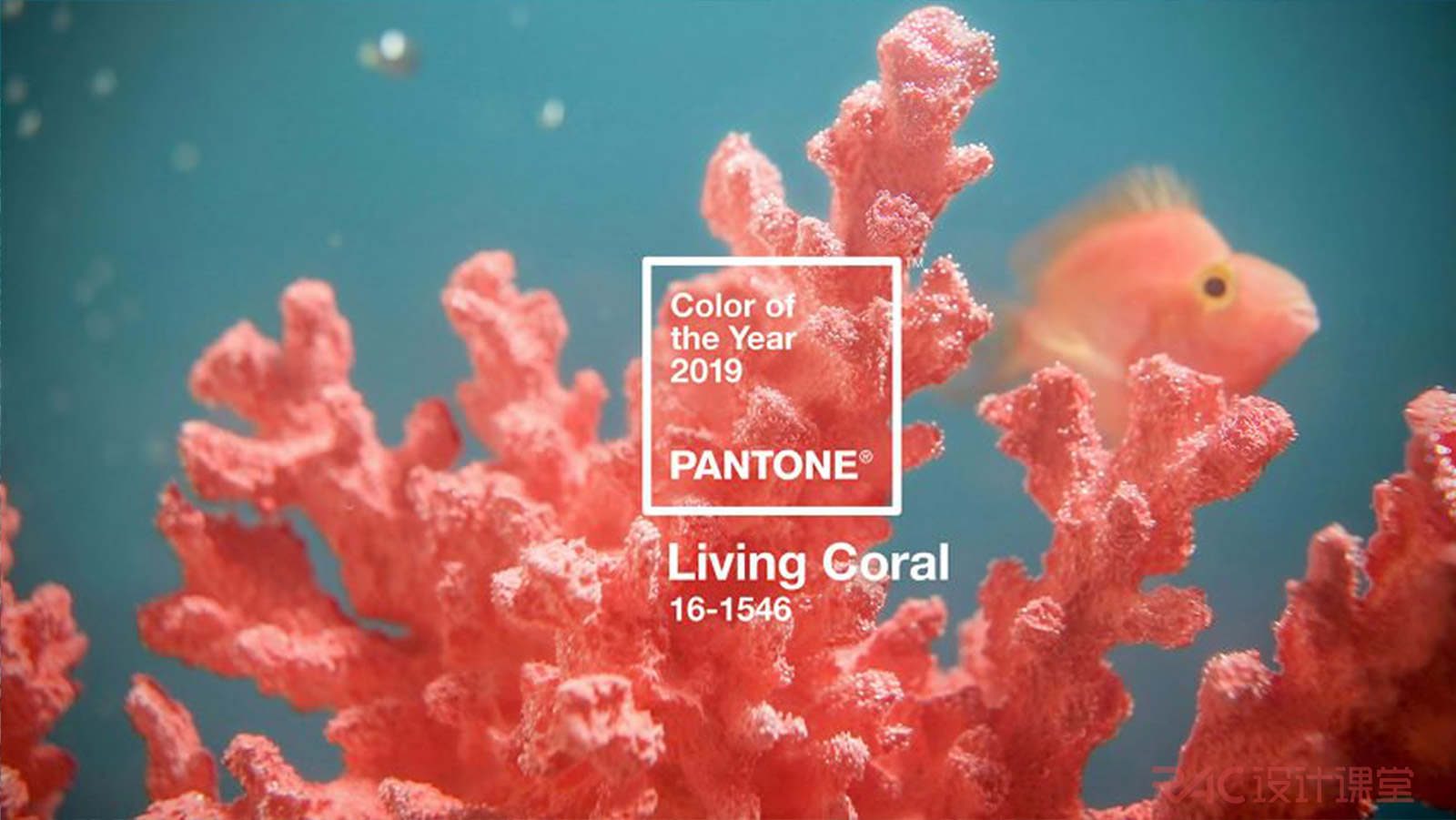
©PANTONE 2019
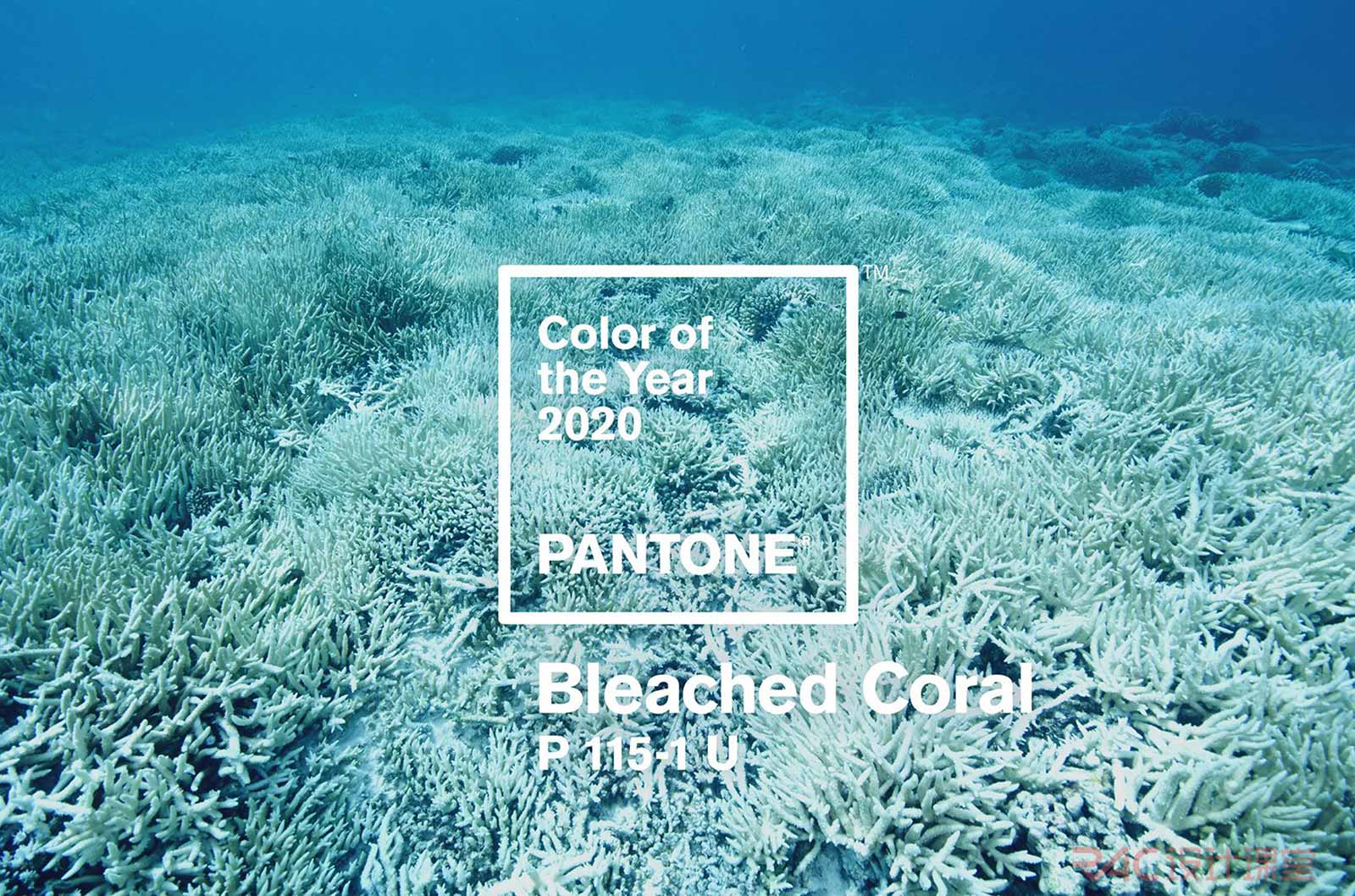
©PANTONE 2020
Introduction:
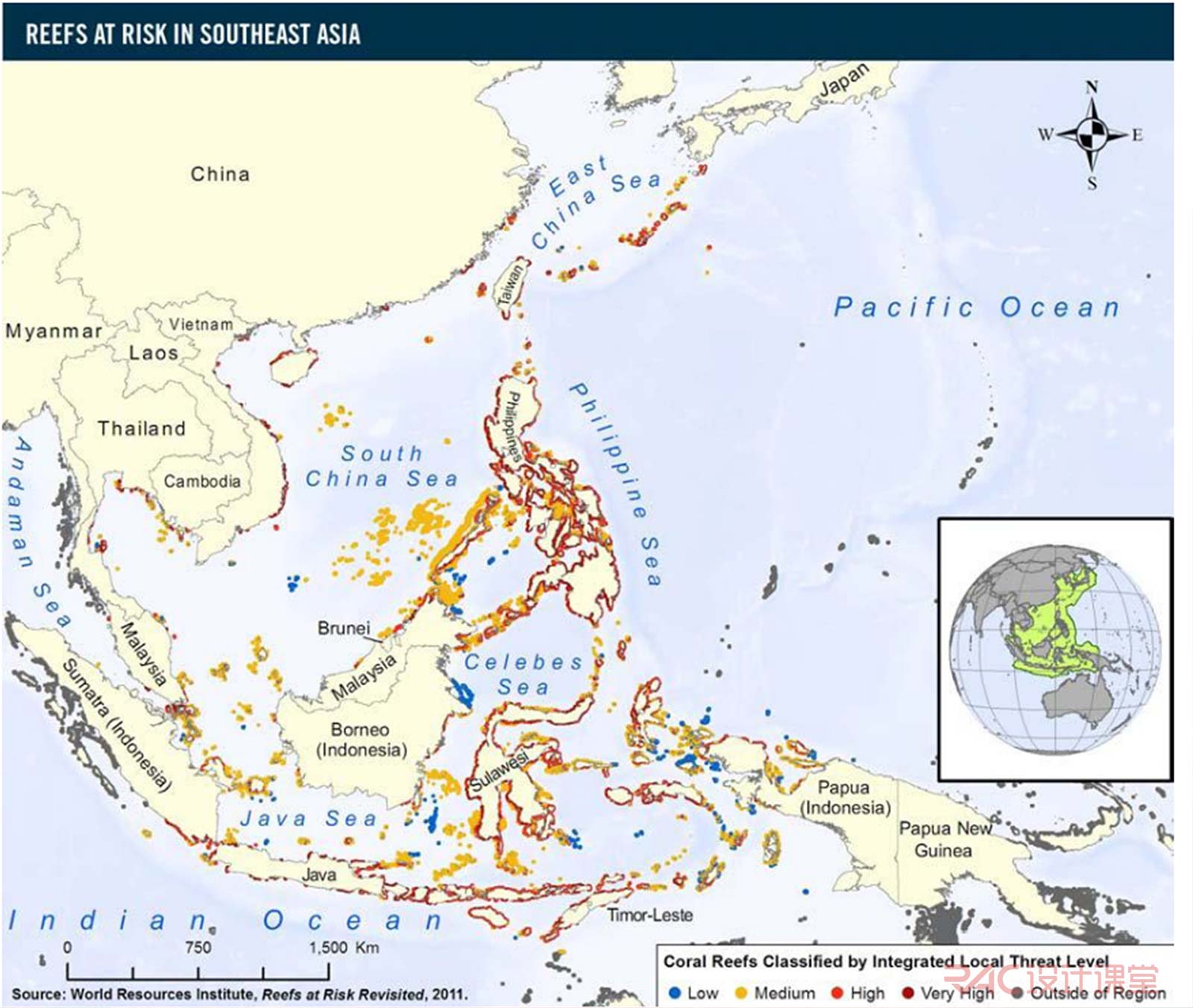
As global warming heats up our oceans to unprecedented levels, scientists warn that all coral reefs will be under threat by 2050 unless collective action happens now. A new study shows that coral bleaching events are recurring faster than reef ecosystems can recover. Southeast Asia features as the centre of coral reef decline in the world, based on this analysis by the World Resources Institute in the Reefs at Risk Revisited series (Burke et al. 2011). The large areas of red and orange over reefs in Indonesia and the Philippines strongly emphasises this analysis.
随着全球变暖使海洋温度上升到前所未有的水平,科学研究表明除非现在采取行动,否则到2050年,所有珊瑚礁都将面临威胁。世界资源研究所在《濒危珊瑚礁再探》系列丛书中研究分析表明(Burke等,2011),东南亚是全球珊瑚礁衰退最为严重的区域。印度尼西亚珊瑚礁上大片的红色和橙色区域和菲律宾区域都可以看到珊瑚退化的范围。
The heat wave, brought about by a devastating combination of climate-induced ocean warming and a particularly robust El Niño event, bleached corals all over the globe between 2014 and 2016. With the development of resources and the development of cities, the death of large corals has become a common problem facing the global coast. The purpose of studio is to explore how to provide and repair the ecological environment needed for corals with the landscape intervention.
2014年至2016年,由气候导致的海洋变暖和一场特别强烈的厄尔尼诺现象造成的灾难性组合,导致全球珊瑚白化。随着资源的开发及城市的发展,大片珊瑚的死亡已经成为全球海岸面临的共同问题,studio的目的是探讨在景观方法的介入下,探讨如何提供和修复珊瑚所需的生态环境。
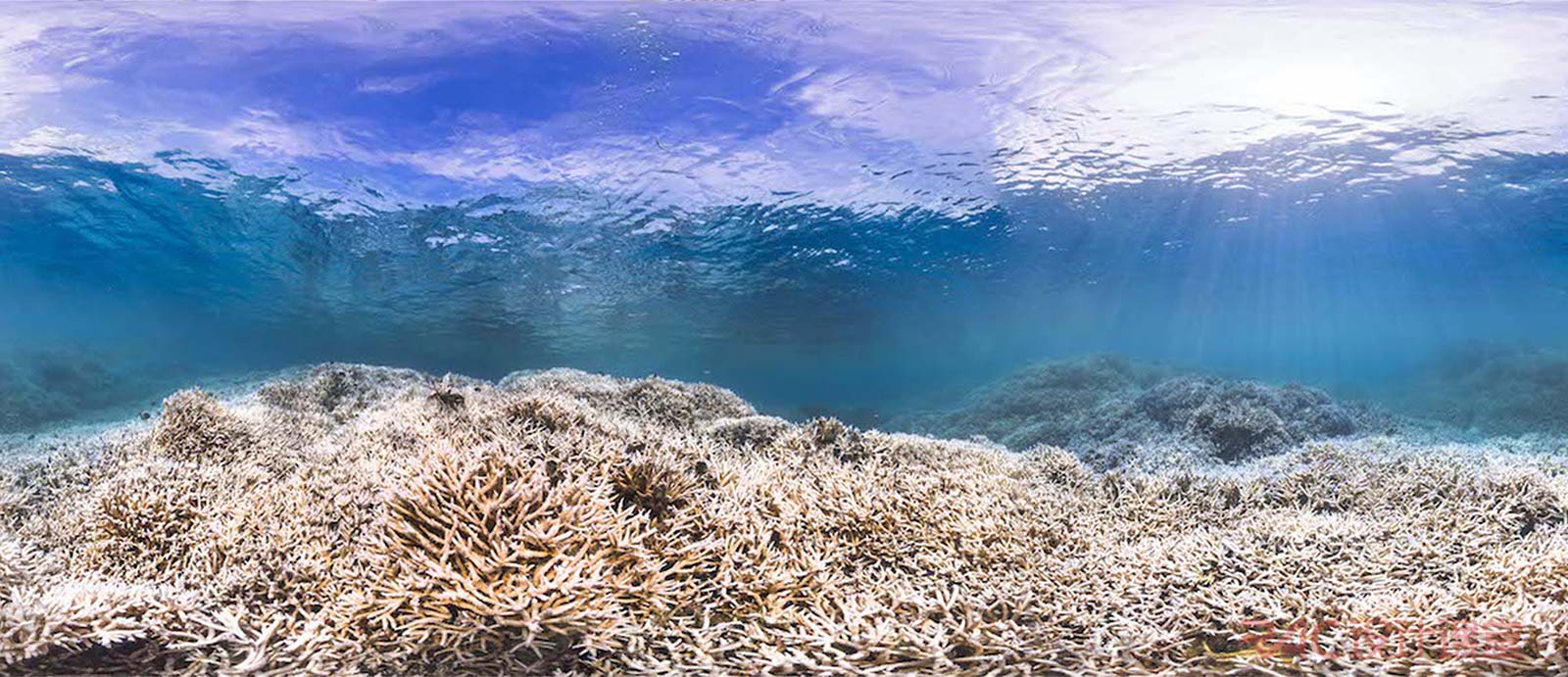
Image: GlobalCoralBleaching.org
Keywords: coral reef, Southeast Asia, global warming, resistance and resilience, Kos Rong
Studio内容
将围绕几个核心技能点 Mapping\ Framework\ Methodology\ Layer\ Program\ Landscape Ecology\ Morphology\ Detail Design等,来组织逻辑并试图解决全球变暖导致的珊瑚及生态退化问题:
1. Studio将会提供不同场地,以组为单位选取确定的场地环境问题
2. 确定场地的生态、经济、文化等多方面的问题,进行深度的调研、分析
3. 提出完整的设计方法论及策略4.空间处理方式及完整的图纸表达。
Design location
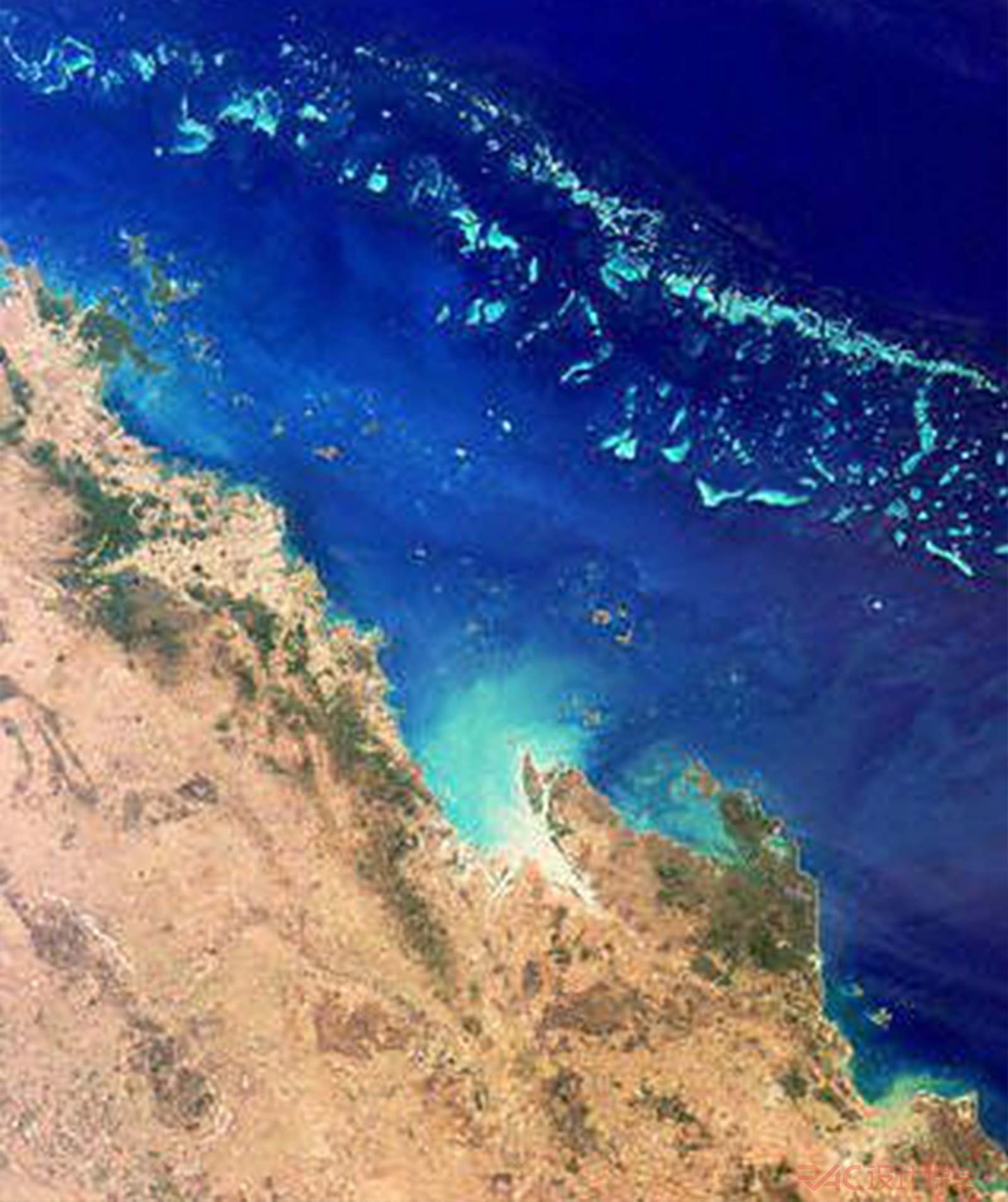
1. 澳洲大堡礁
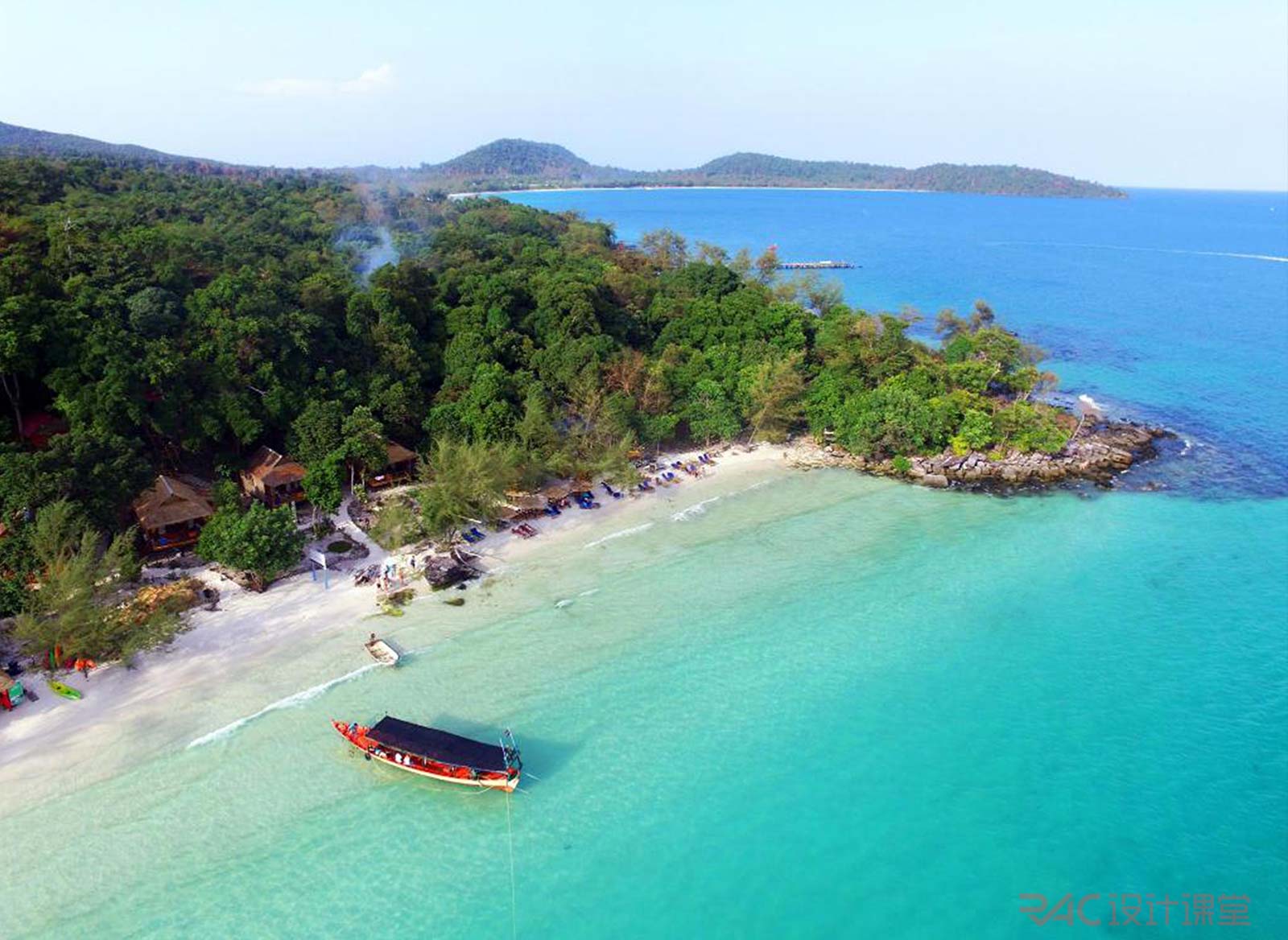
2. 柬埔寨
Method: design studio
By using different techniques to understand the (spatial) problematique and have incredible insight into the solution of the area. The experimental techniques (montage, transformation, decomposition) and design methods (scenario pattern,, analogy, flow, layers, scales) refine the ‘diagnose’ and design elaboration throughout the design process.
1. Diagnosis
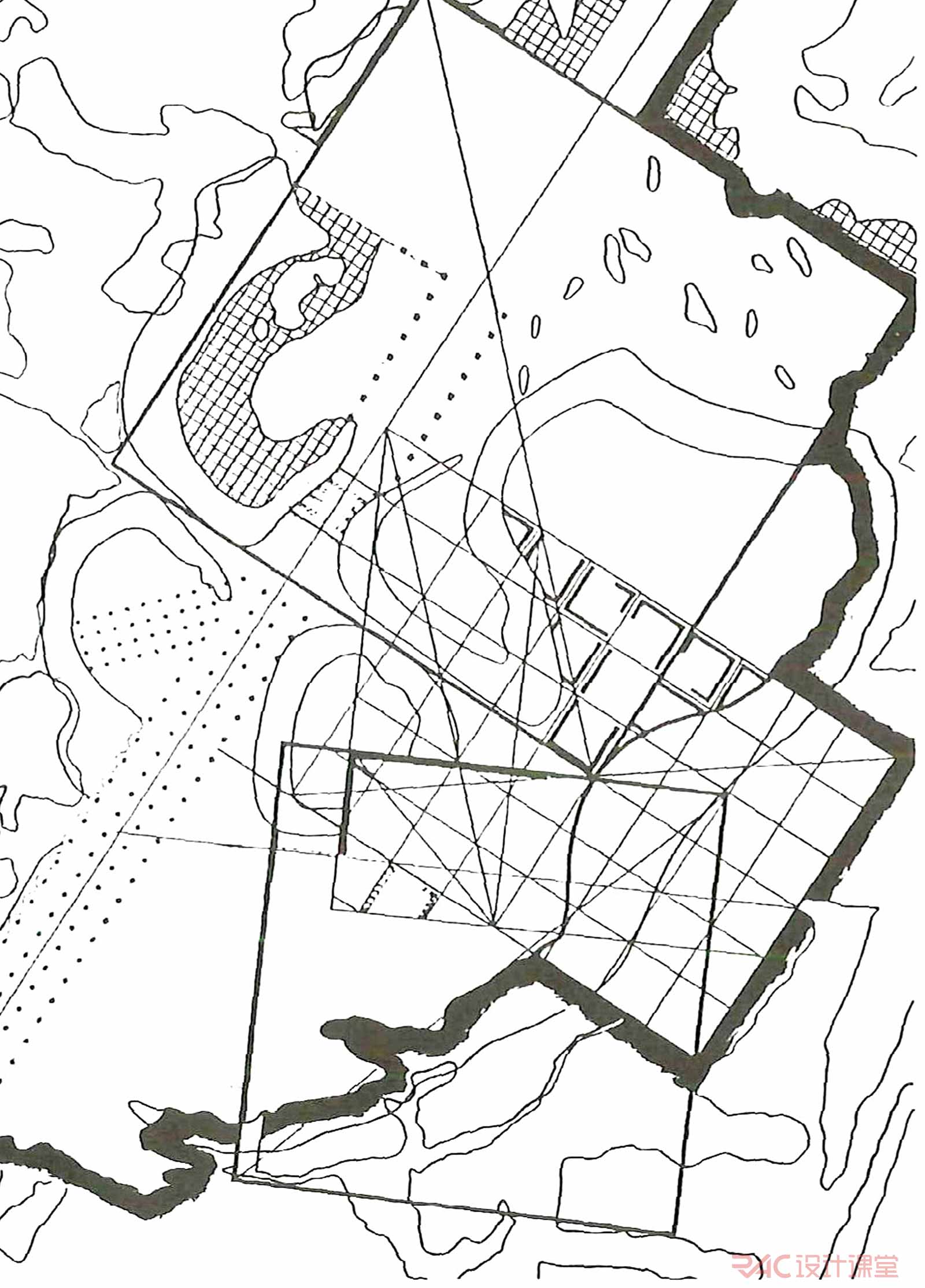
Top:Jacques Coulon, form montage study, Parc les Ardoisiéres – Trelaze, Angers. 1984
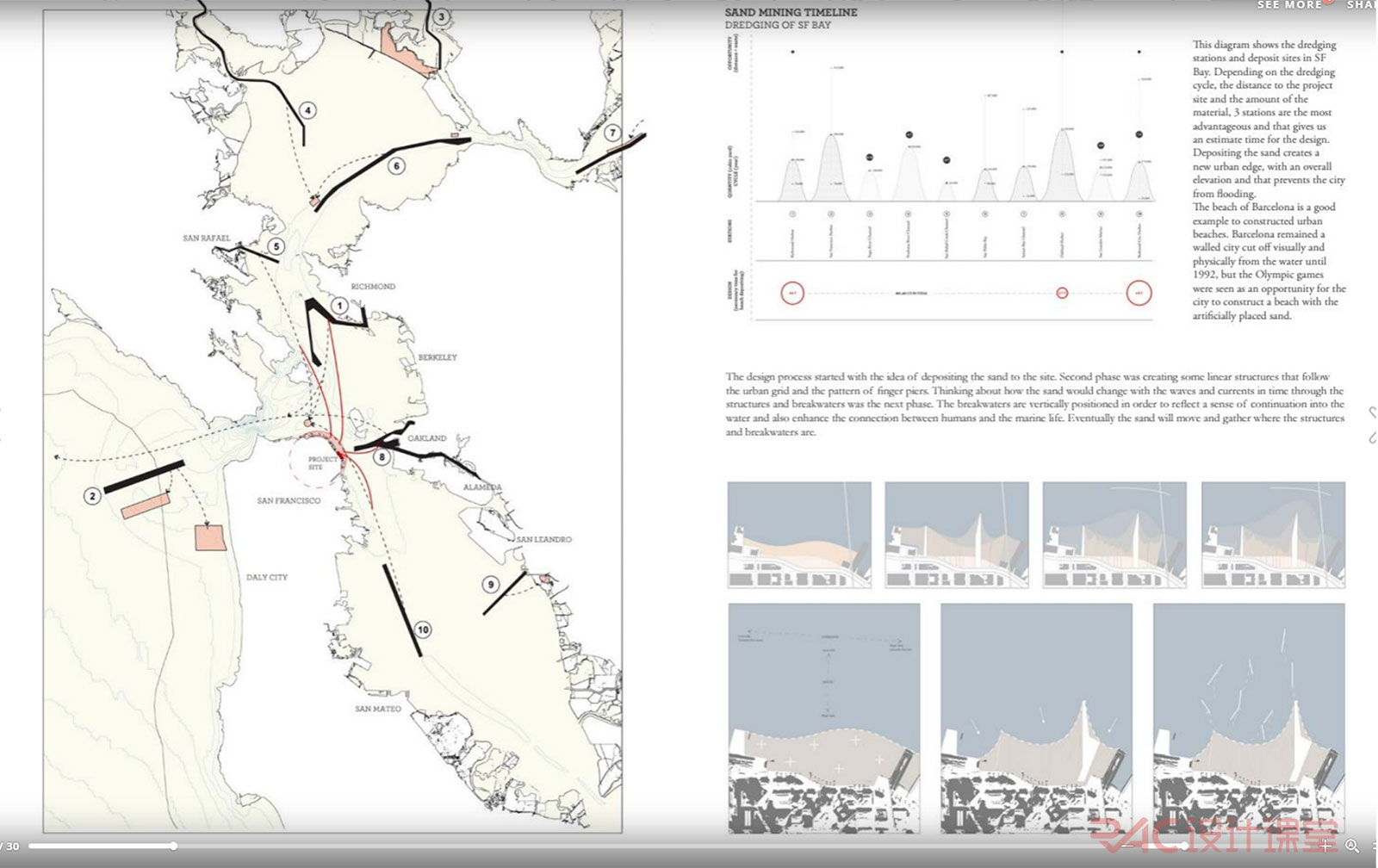
©Izgi Uygur
2. Concept & storyline development
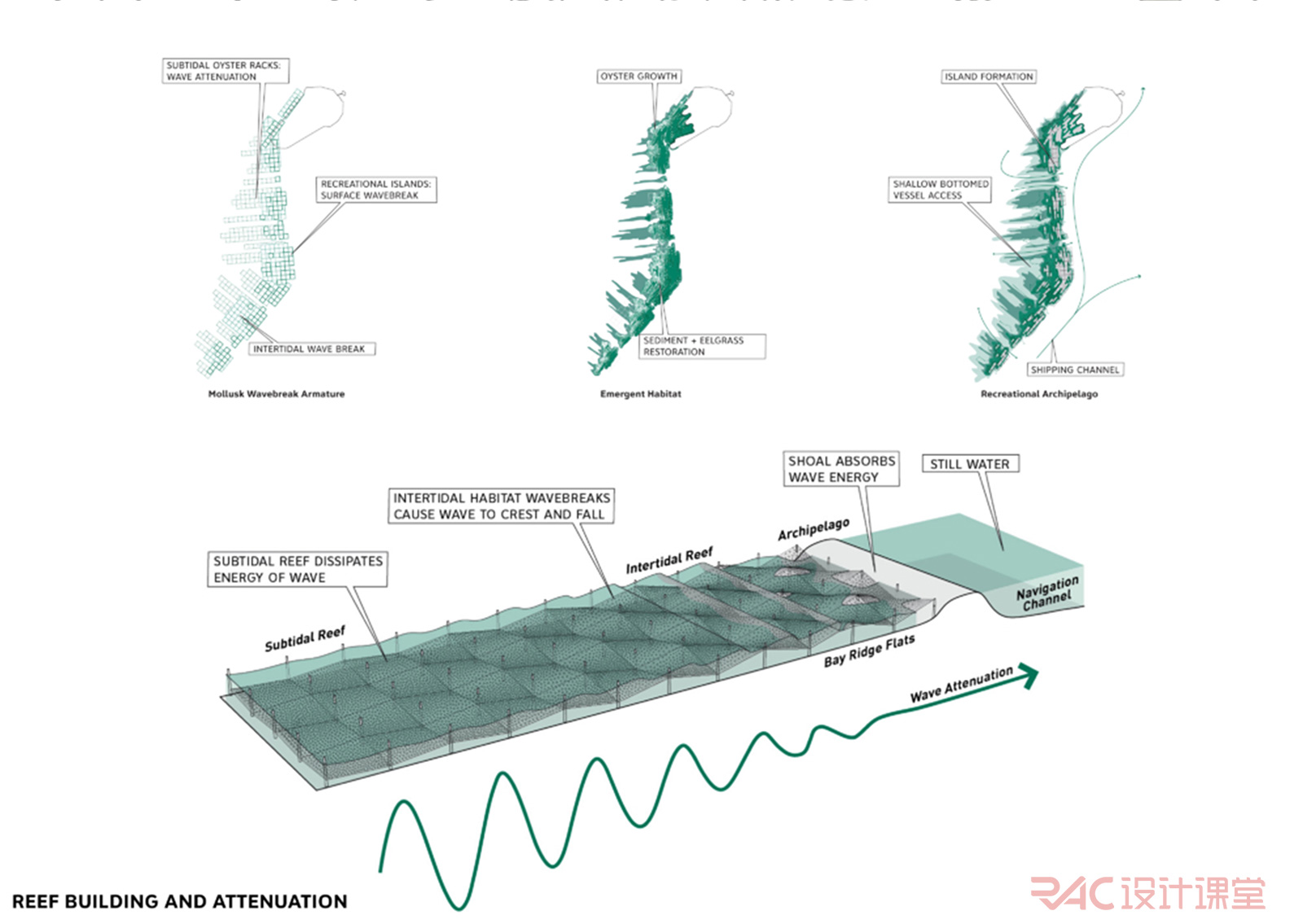
©SCAPE
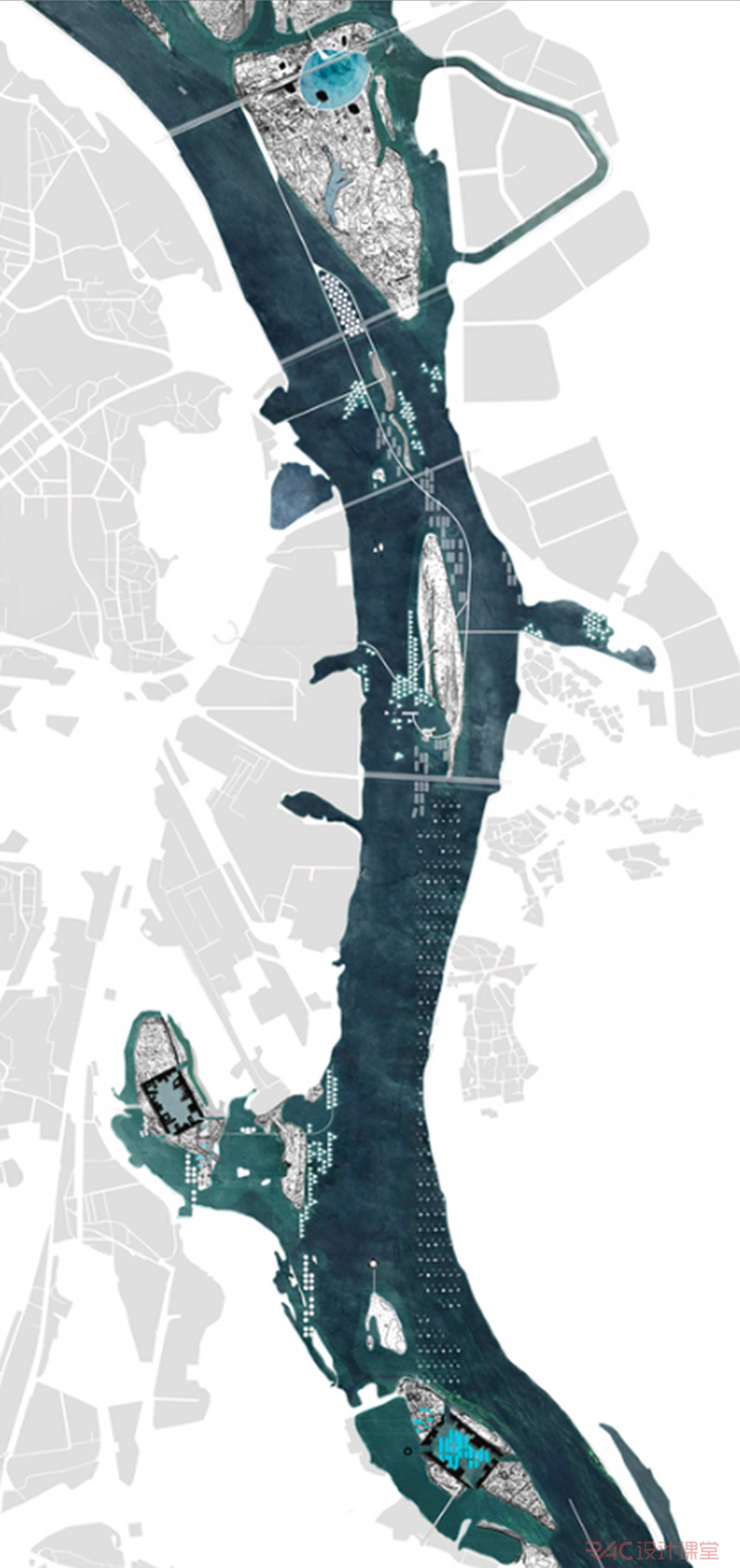
©LCLAOFFICE
3. Design elaboration
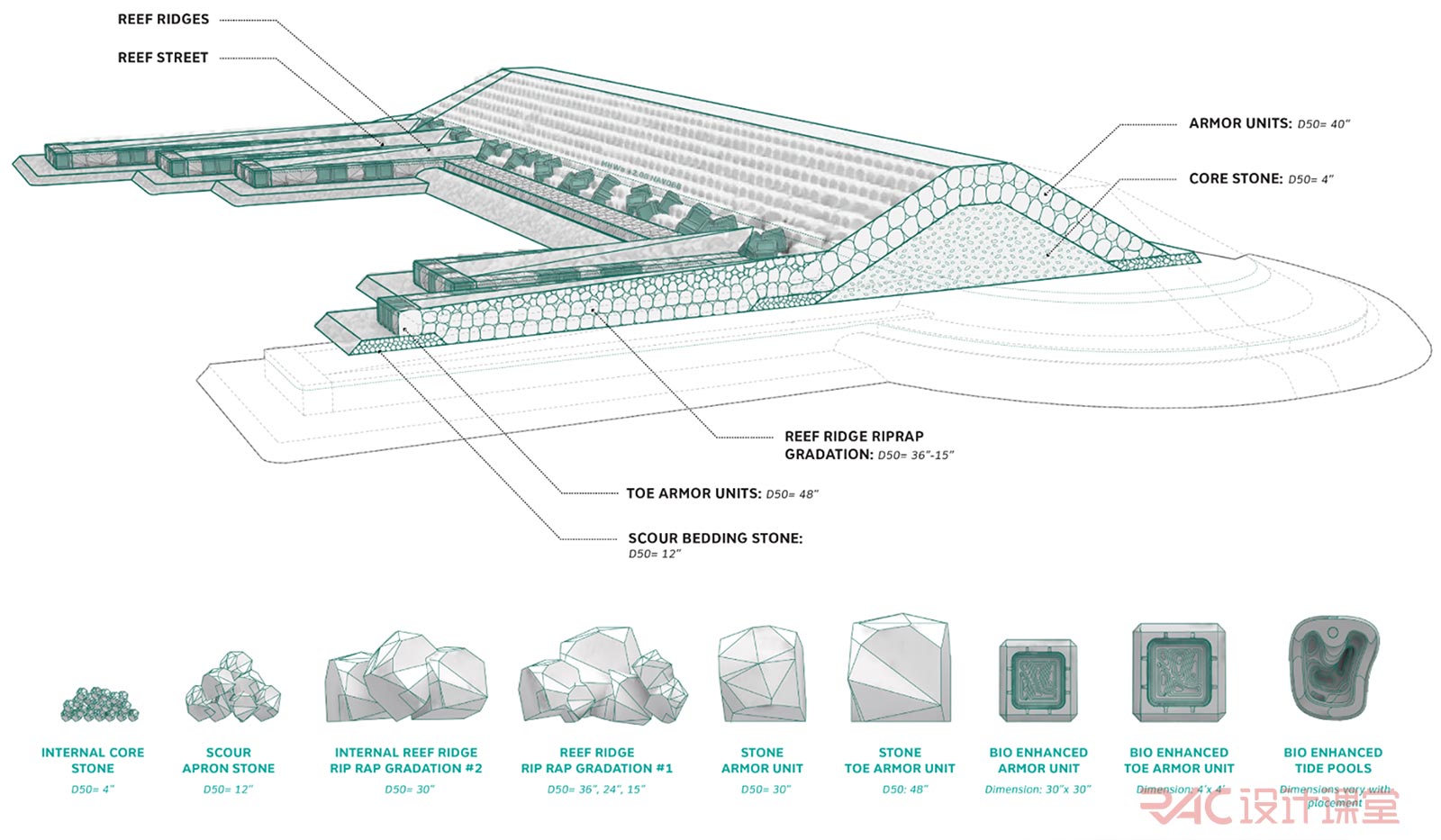
© StormRecovery.ny.gov
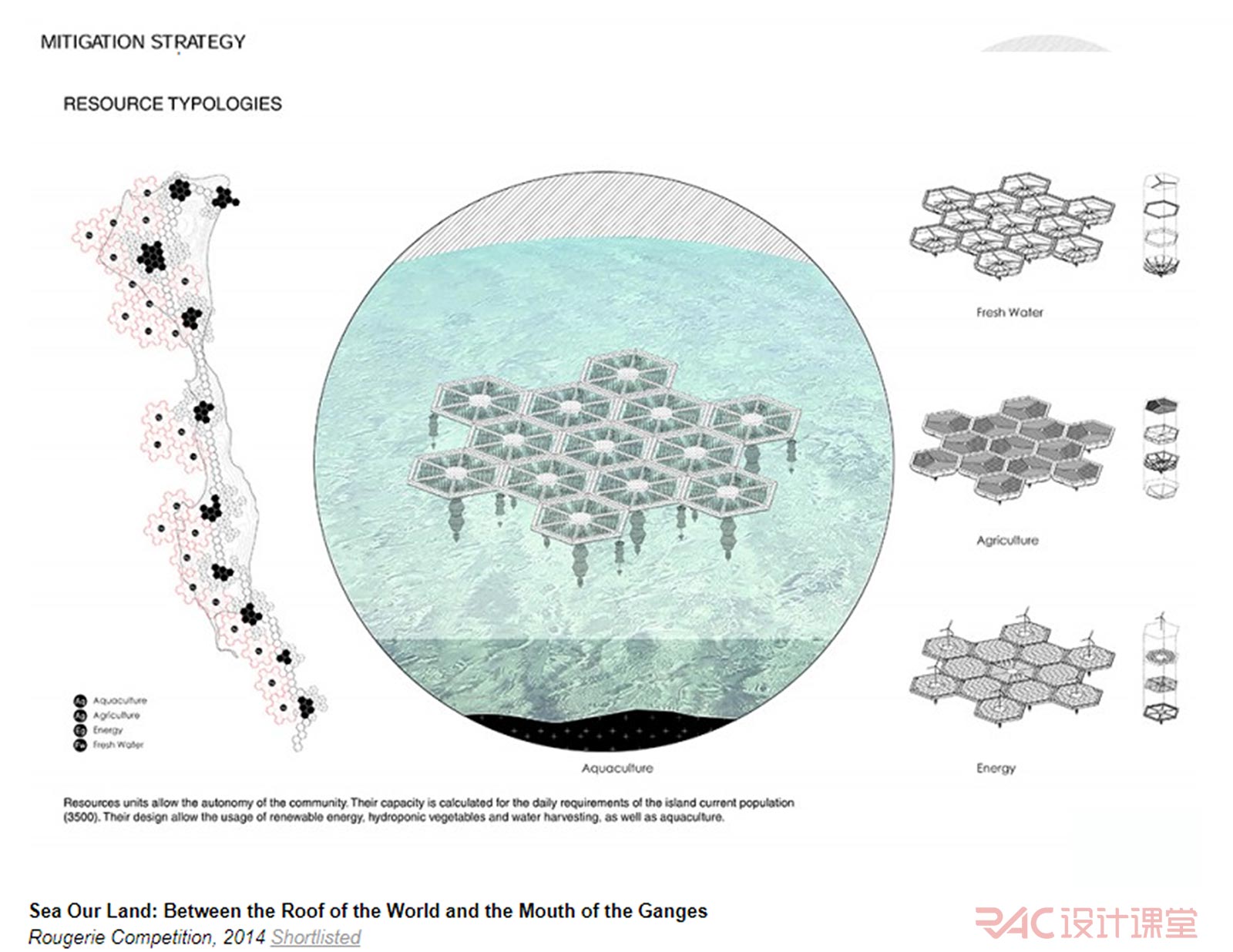
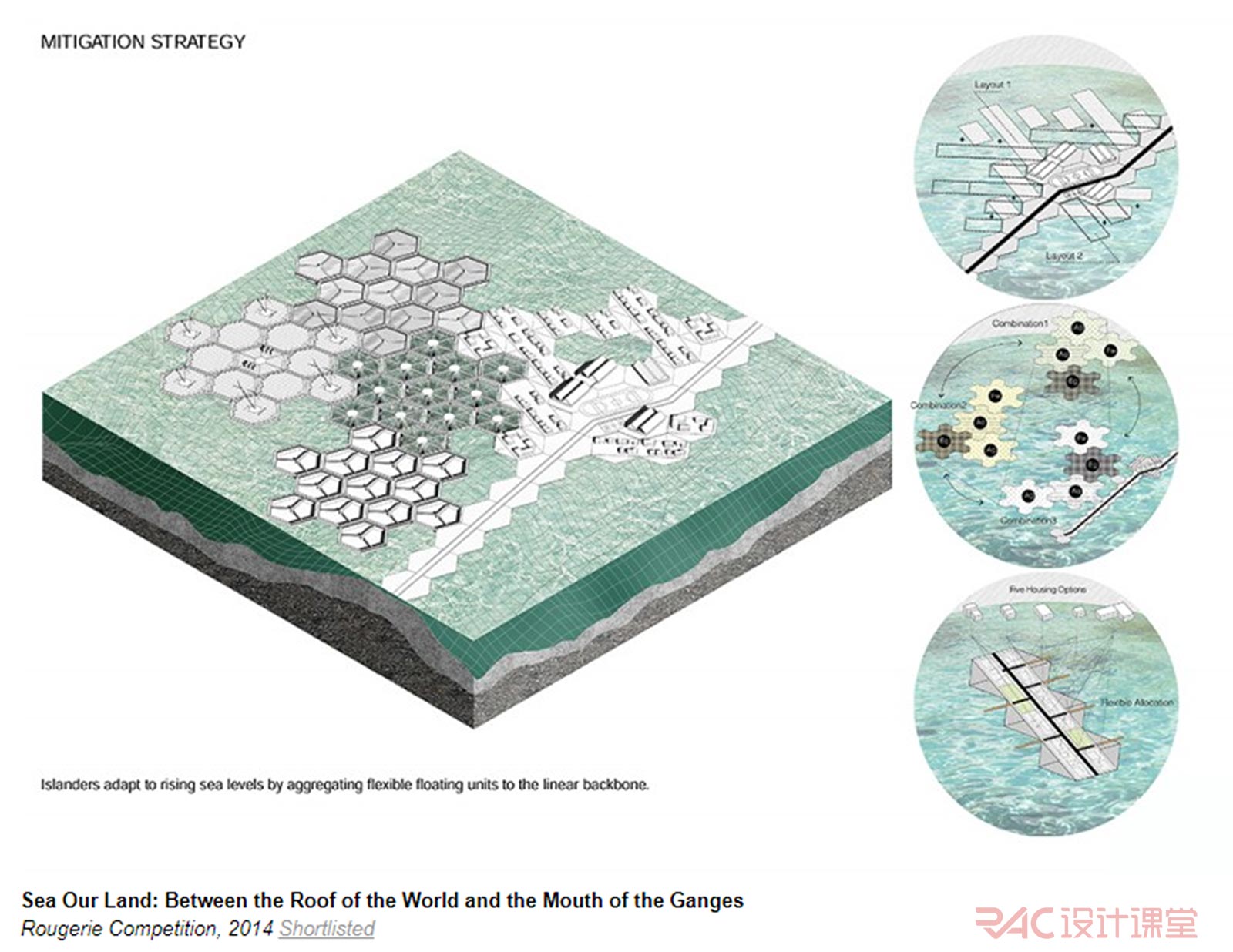
©DESIGN EARTH
4. Design resolution & outcomes
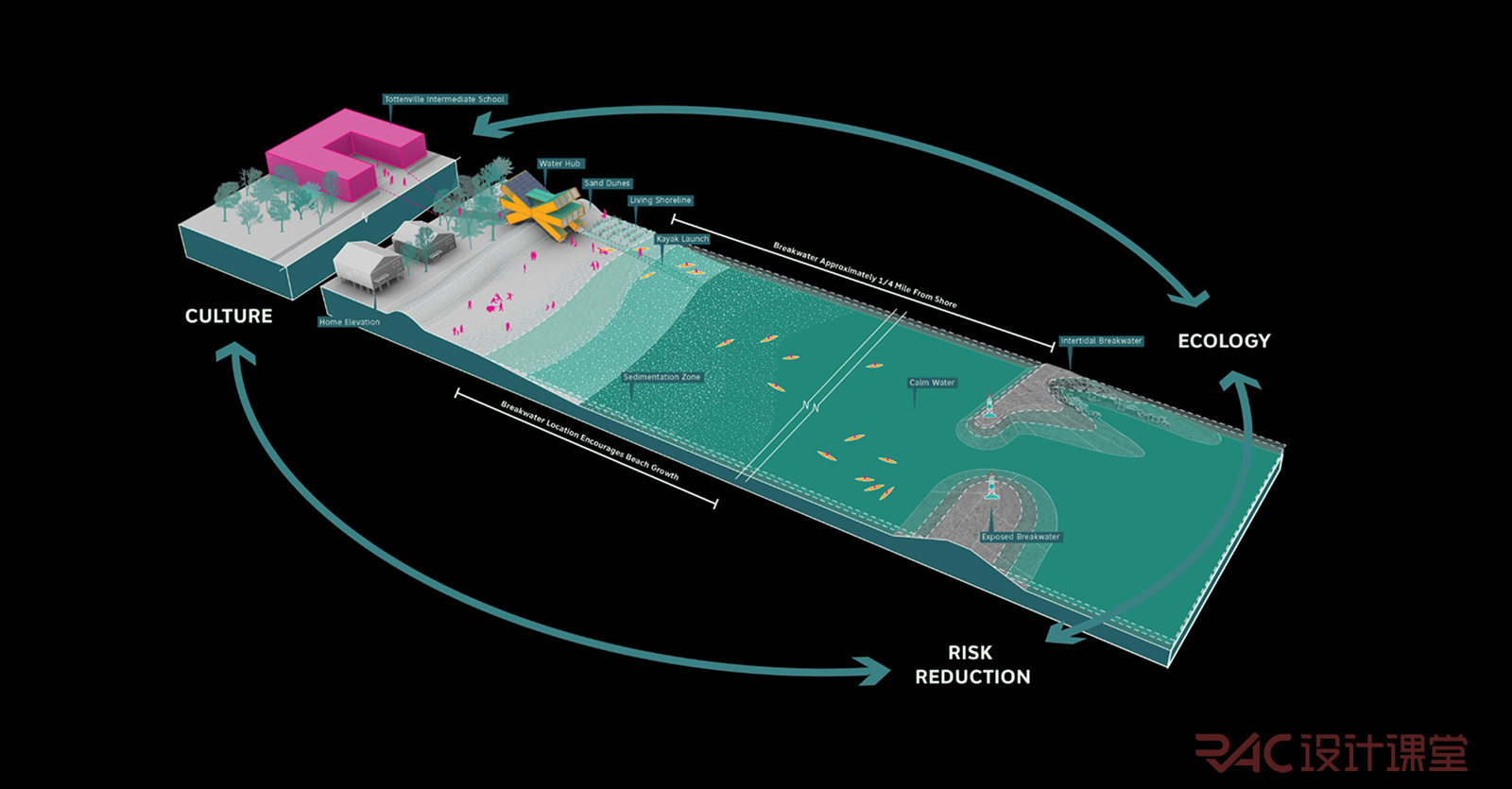
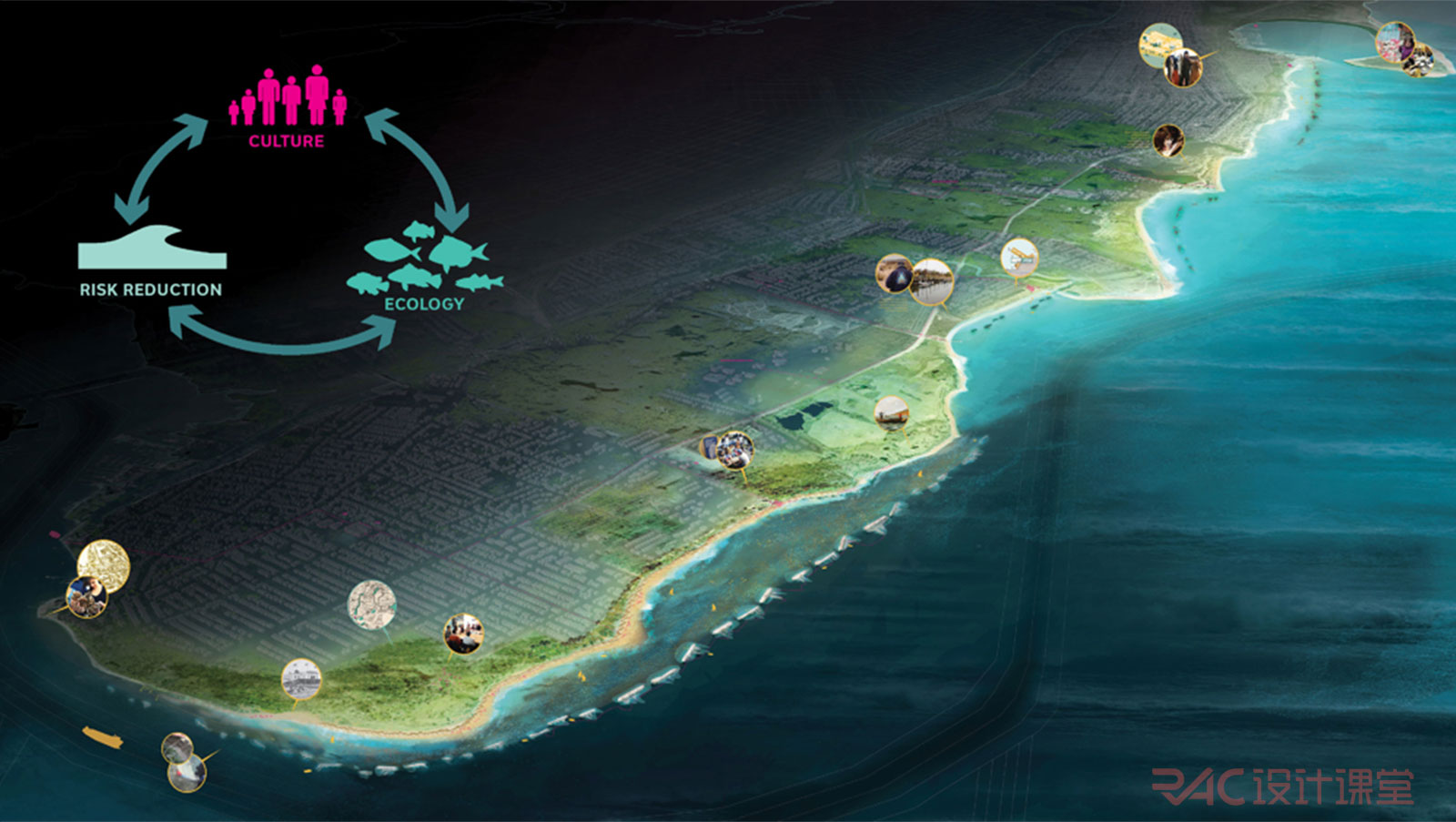
©SCAPE
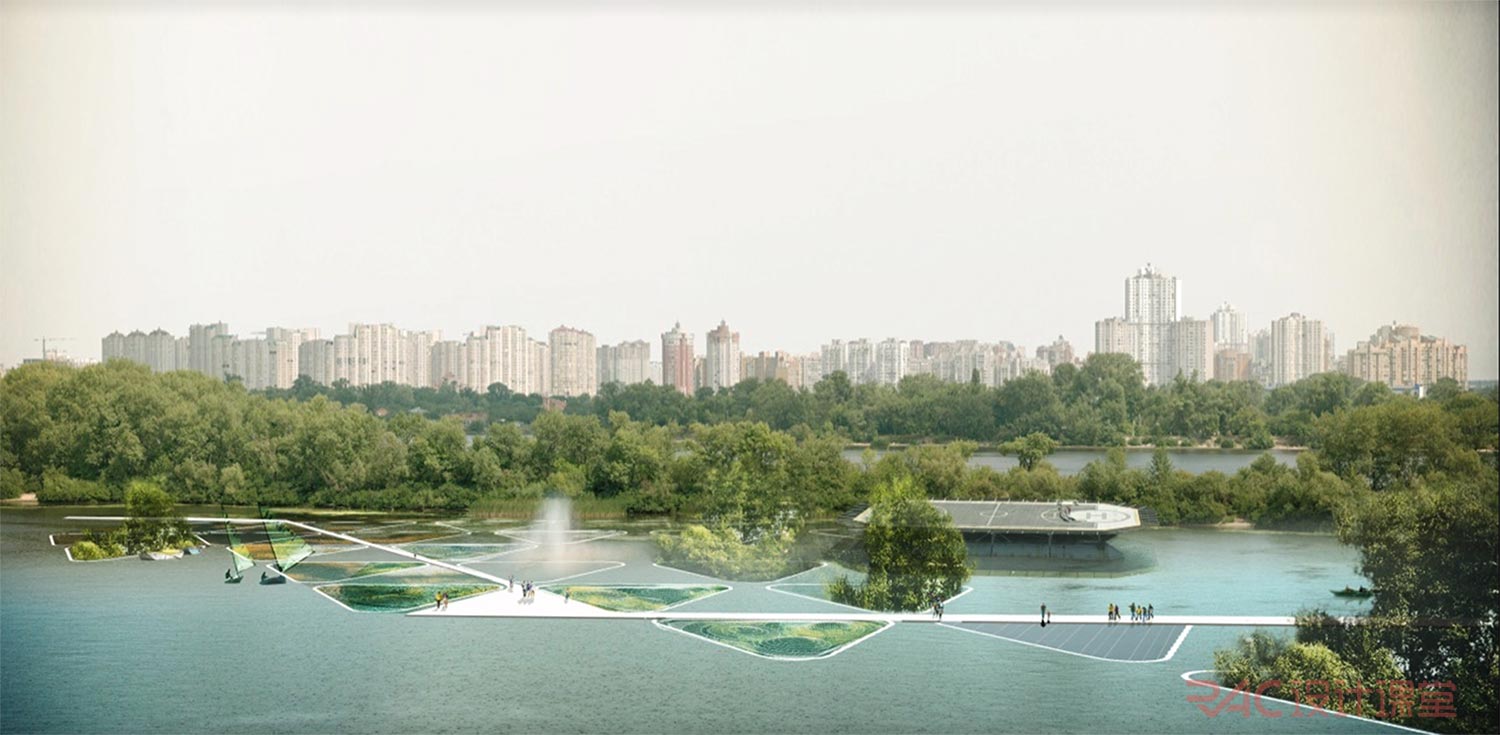
©LCLAOFFICE
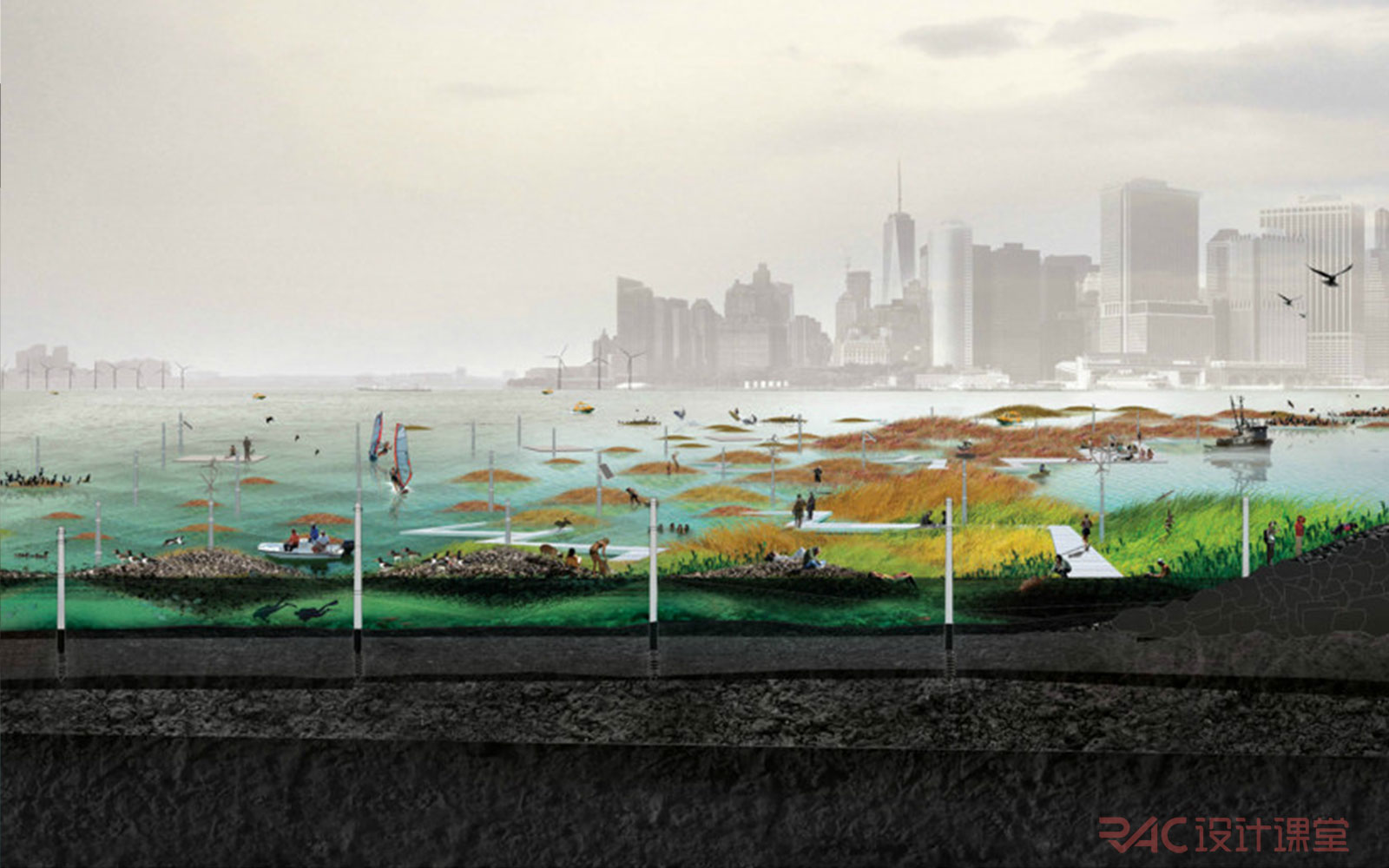
Oyster-tecture proposal rendering by Kate Orff (©SCAPE)
Recommended literature:
1. Marx L. The Cultural Contradictions of Capitalism, by Daniel Bell[J]. Challenge, 1972.
2. Sombart W. Der moderne Kapitalismus[J]. Journal of Political Economy, 1927.
3. Clemens Steenbergen / Wouter Reh Metropolitan landscape architecture: urban parks and landscapes, Amsterdam: Thoth, 2011.
Studio成果
- Analysis (aspects chosen from groupwork and further developed)
- Spatial concept for the park (plan dwg,model, diagrams, original images)
- Context plan
- Site plan
- The plan figure in relation to existing topography and context
- Image form of the park (image types and form)
- Programme differentiation
- Critical Sections
- Important details and construction schemes
- Surfaces, planting, furnishings, lighting
- collage, renderings, bird view drawingses, Amsterdam:Thoth, 2011.