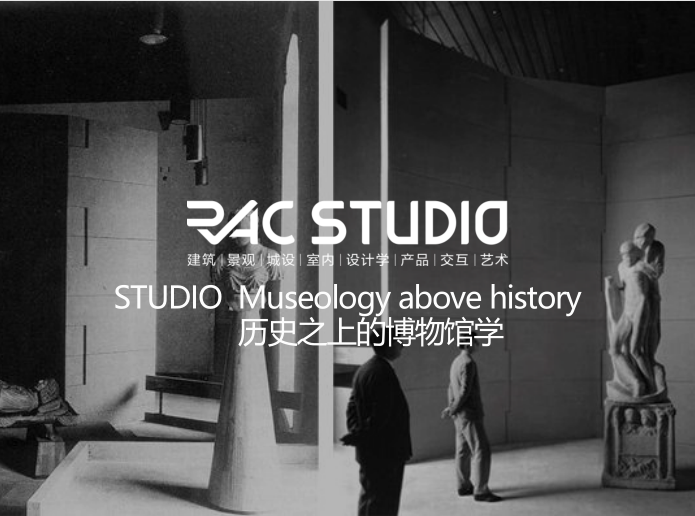
授课方式 | 线上
授课对象 | 该课程的项目类型和尺度不限,适合对艺术及展览有兴趣的较高年纪的学生
难度提示 | ★★★★
课前准备 | 熟练掌握Adobe基础做图软件、Rhino、su ,Vray等
授课时间 | 暂定2020年7月11日,持续五周时间
Studio人数 |6-8人
备注 |未签约学员咨询报名前咨询客服主页菌; 已经签约RAC学员可用课时兑换
Studio背景
In daily thinking, museums and cities are nothing more than an abstract background shielding the concrete world. The spotlight is on exhibits and buildings, and they are the ghostly curtain behind these objects. Of course, it's not hard for people to understand that a city is a far more complex structure than they think (so that urbanists and historians have exhausted their brains to restore the process of urban evolution). The architectural entity presented in front of people's eyes is only the most obvious part of the urban mechanism. The geographical location and landform of the city, the deep buried bottom, or the ruins that may have been ashes, the industrial structure of the city, the customs and ways of thinking of the citizens, as well as the roadside trees and trees on both sides of the street - these endless factors are closely linked, deeply depicting the character of the city In turn, it changes its own destiny under the infiltration of urban character. What can be the relationship between museums and exhibits?
在日常思维中,博物馆与城市都不外乎一面屏蔽具体世界的抽象背景,聚光灯打在展品和建筑上,而它们是这些物件背后幽灵般的帷幕。当然,人们只要思考片刻就不难明白,城市是一种远比想象中复杂的构造(以至城市学家和历史学家们为了还原城市演变的过程纹尽了脑汁)。呈现在人们眼前的建筑实体,只是城市机制中最为显然的一部分而城市的地理位置与地貌,深埋地底,又或许已经灰飞烟灭的遗迹,城市的产业结构市民的习俗举止和思维方式,以至街道两旁的行道树树种-这一连串列举不尽的因素环环相扣,深深刻画着城市的性格,反过来又在城市性格的浸润下改变着自身的命运。而博物馆与展品之间的关系又能有什么花样呢?
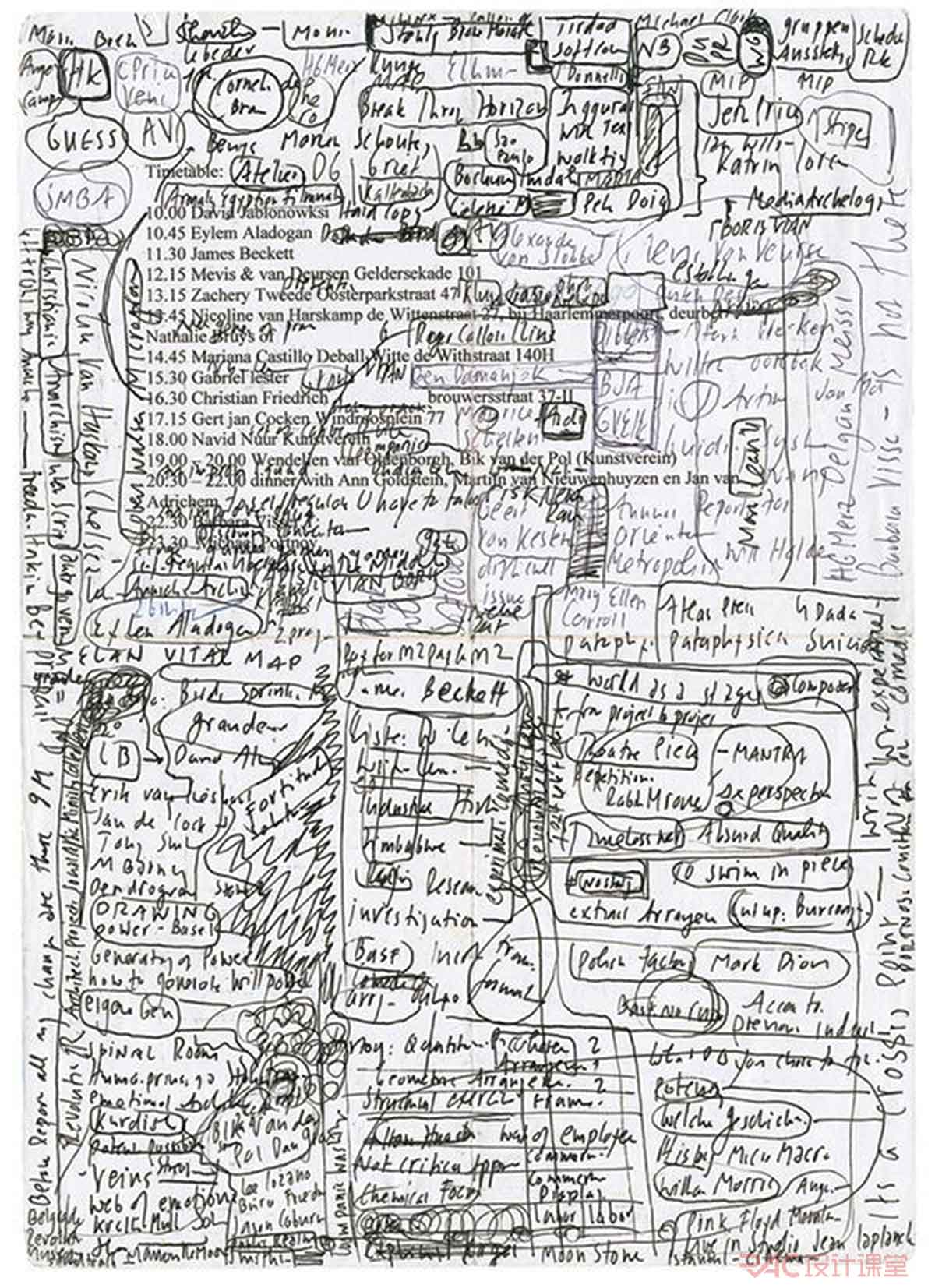
Credit from Hans Ublrich Obrist
studio课程内容
Through the two concepts of restoration and Museology, which are involved in the design of the current exhibition hall scale at the same time, art curation is used to respond to the double standard problem of city and art's own value. Before the design, we will sort out and study the cases, and then we will carry out according to the most familiar urban places for everyone. First, we will analyze the historical texture of the city scale, and seek solutions for repair. Second, we will select the target art group (single artist or school), and use the way of curation to get involved in thinking, grasp the possibility and limitation of space, and make Out of balance. Finally, we return the concept of Museology to today's urban space. In the face of the current environment of the Internet of things, its display mode may be born in the urban streets, but also in the scale of architectural space, or even in landscape sculpture.......
通过修复和博物馆学两个概念同时介入当下展馆尺度的设计,用艺术策展的方式去回应城市和艺术自身价值的双标问题。设计之前我们会进行案例梳理和学习,之后会按照每个人最熟悉的城市场所进行展开,首先是进行城市尺度的历史肌理分析,并寻求修补的解决方式;再其次选择目标艺术群体(单个艺术家或者流派),用策展的方式去介入思考,把握好空间的可能性和限制性并作出平衡。最终我们将博物馆学这个概念回归当今城市空间,在面对当下物联网的环境中,它的展示方式可能诞生在城市街道的,亦可是建筑空间尺度的,甚至是景观雕塑的。。。。。。。
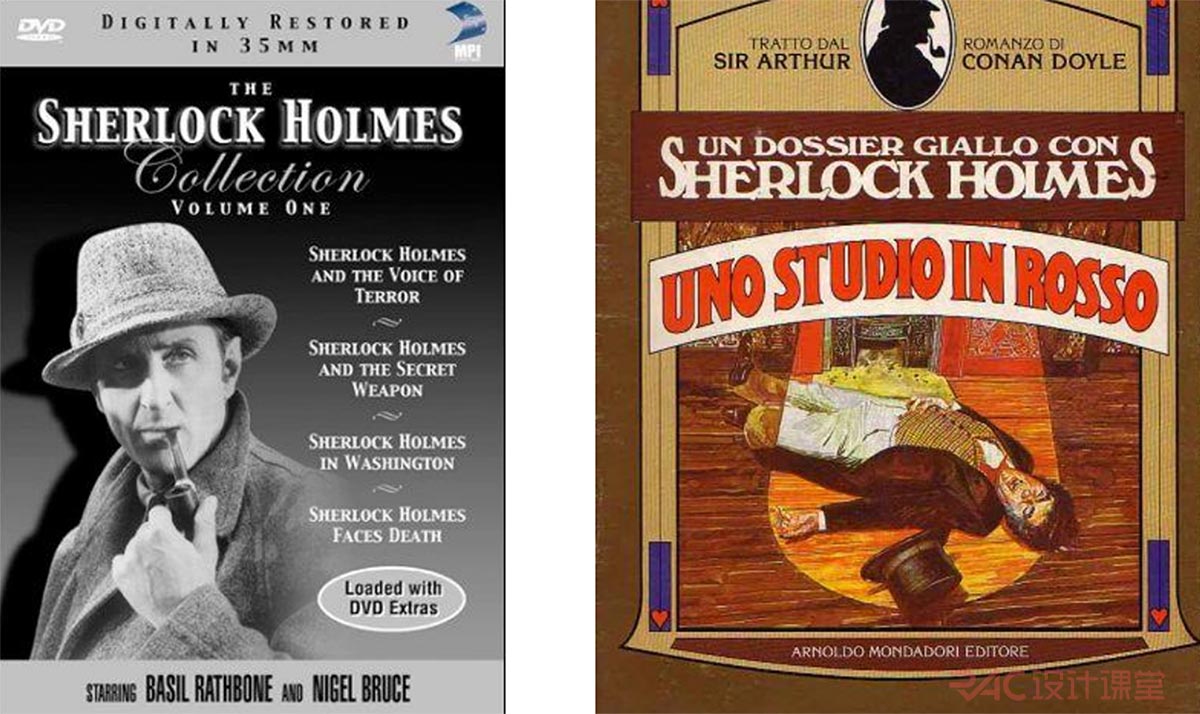
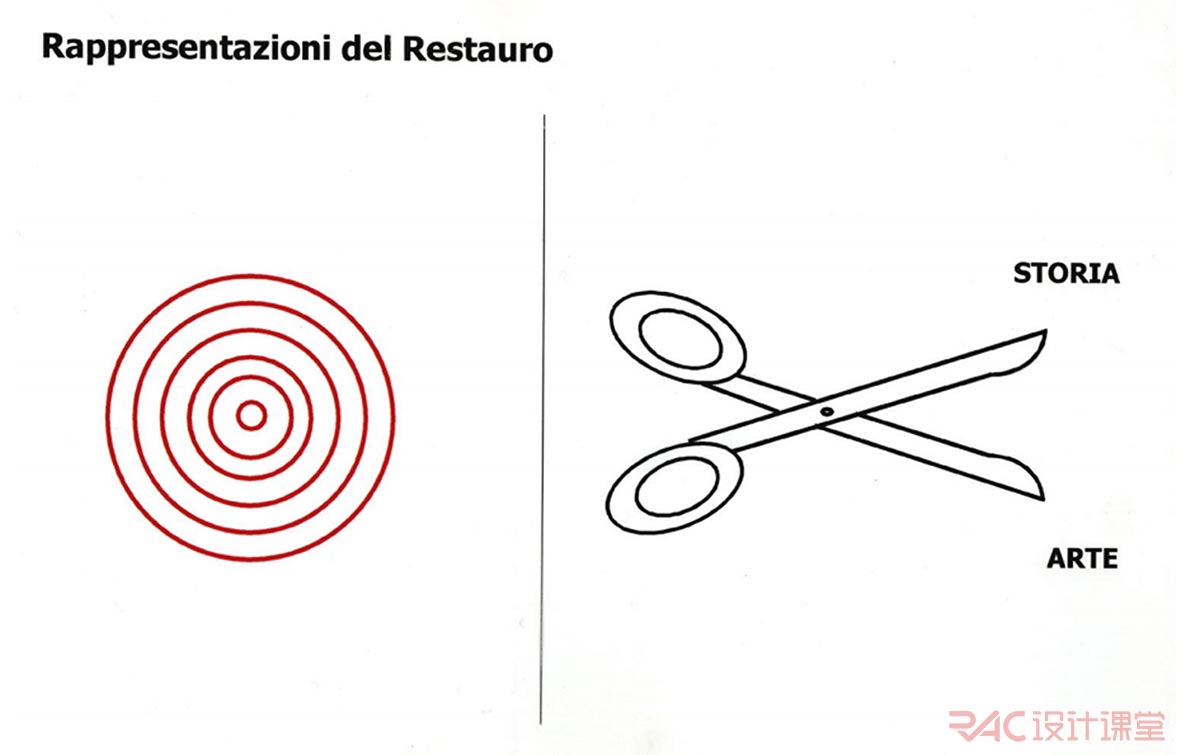
Credit from polimi
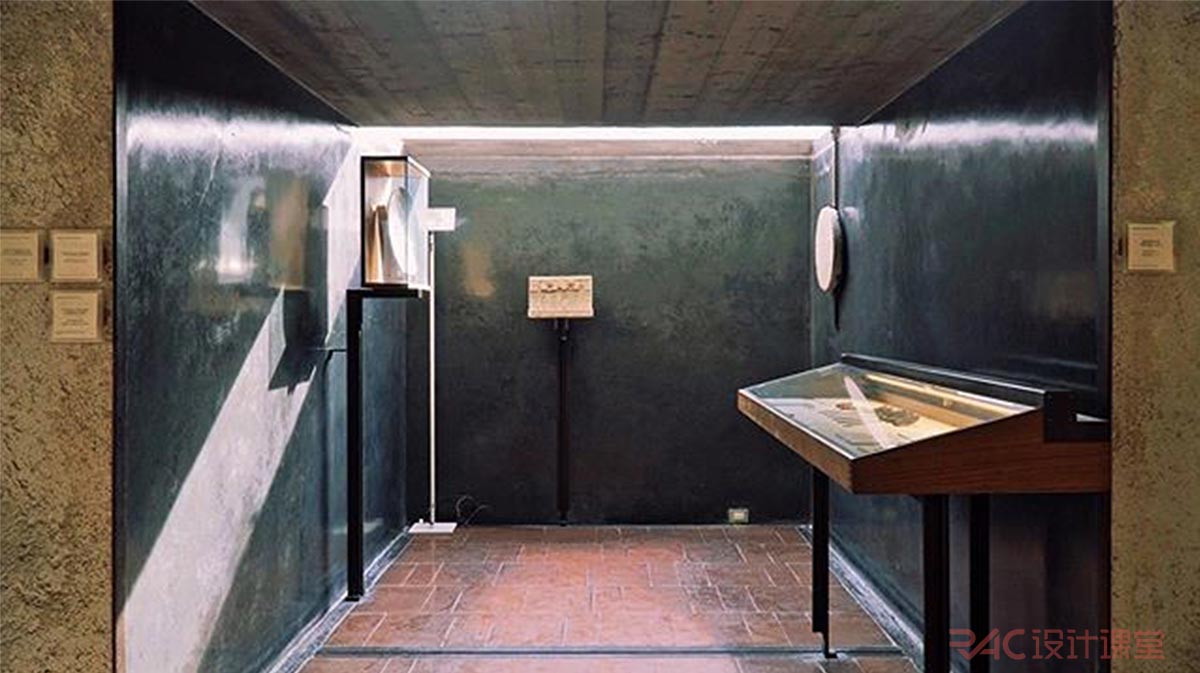
Credit from Carlo Scarpa
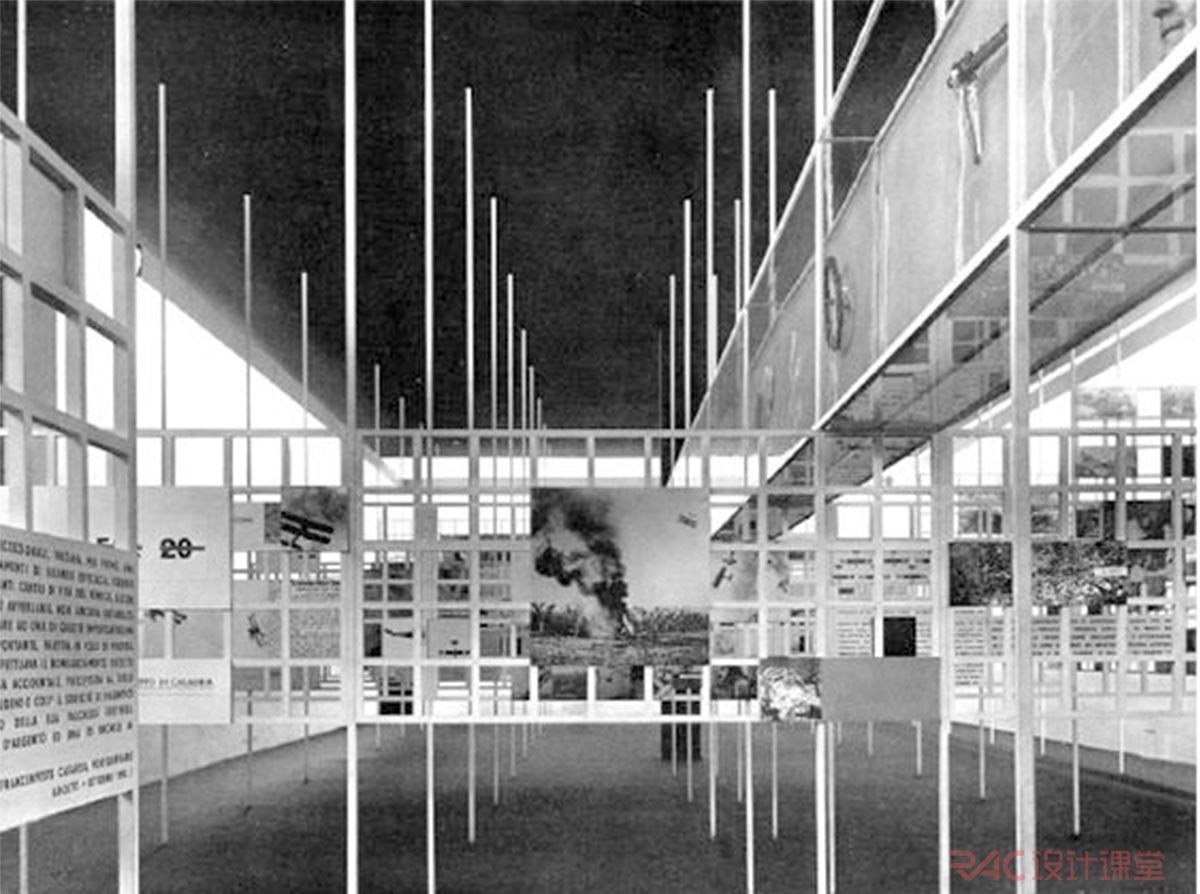
Credit from Lina Bo Bardi
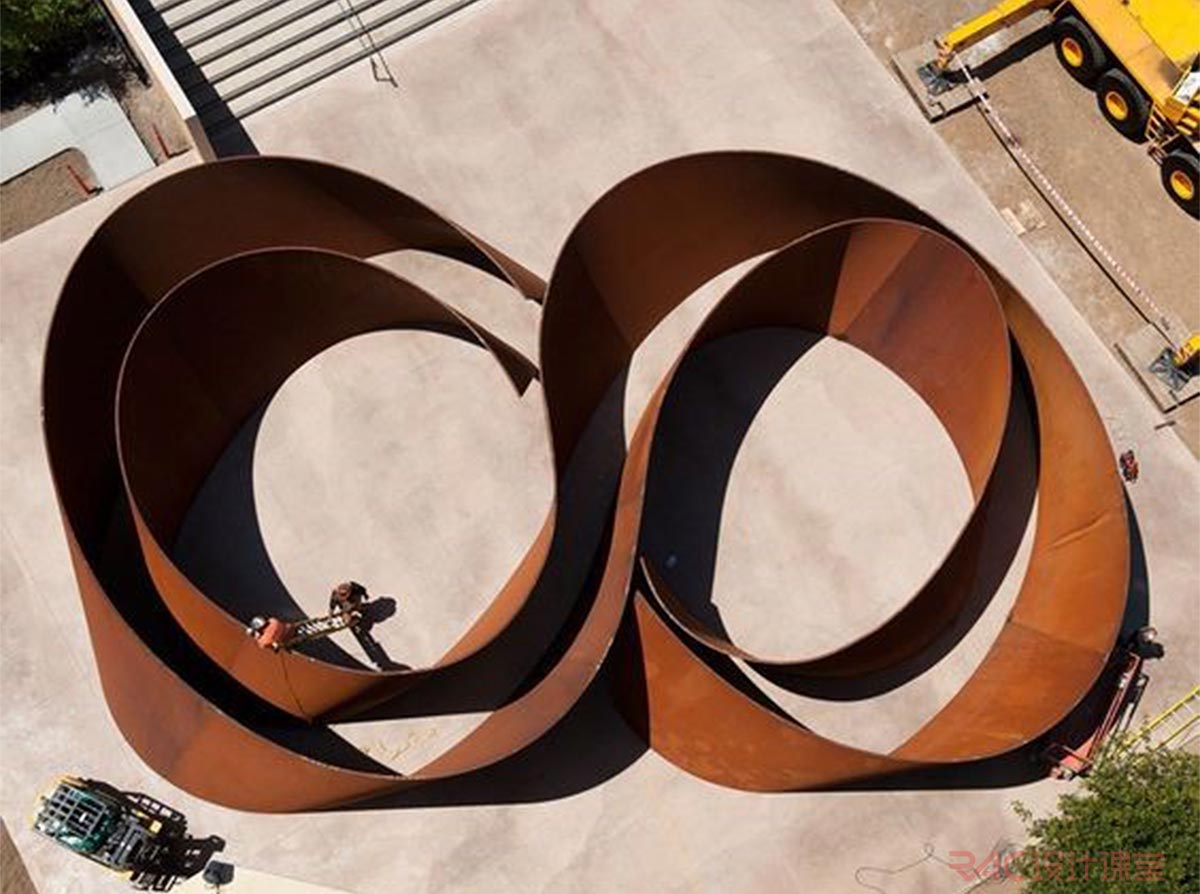
Credit from Richard Serra
Studio计划
课程总共分为三个阶段,通过训练,完成一个相对完整和成熟度高设计方案。
Phase 01-
Research and analysis 调研与研究 两个部分
Part01.经典案例的研究,从经典作品中挑选和重绘作品
Part02. 通过阅读和调研来艺术家(群体)的思考及学习方式
制作成果如下:
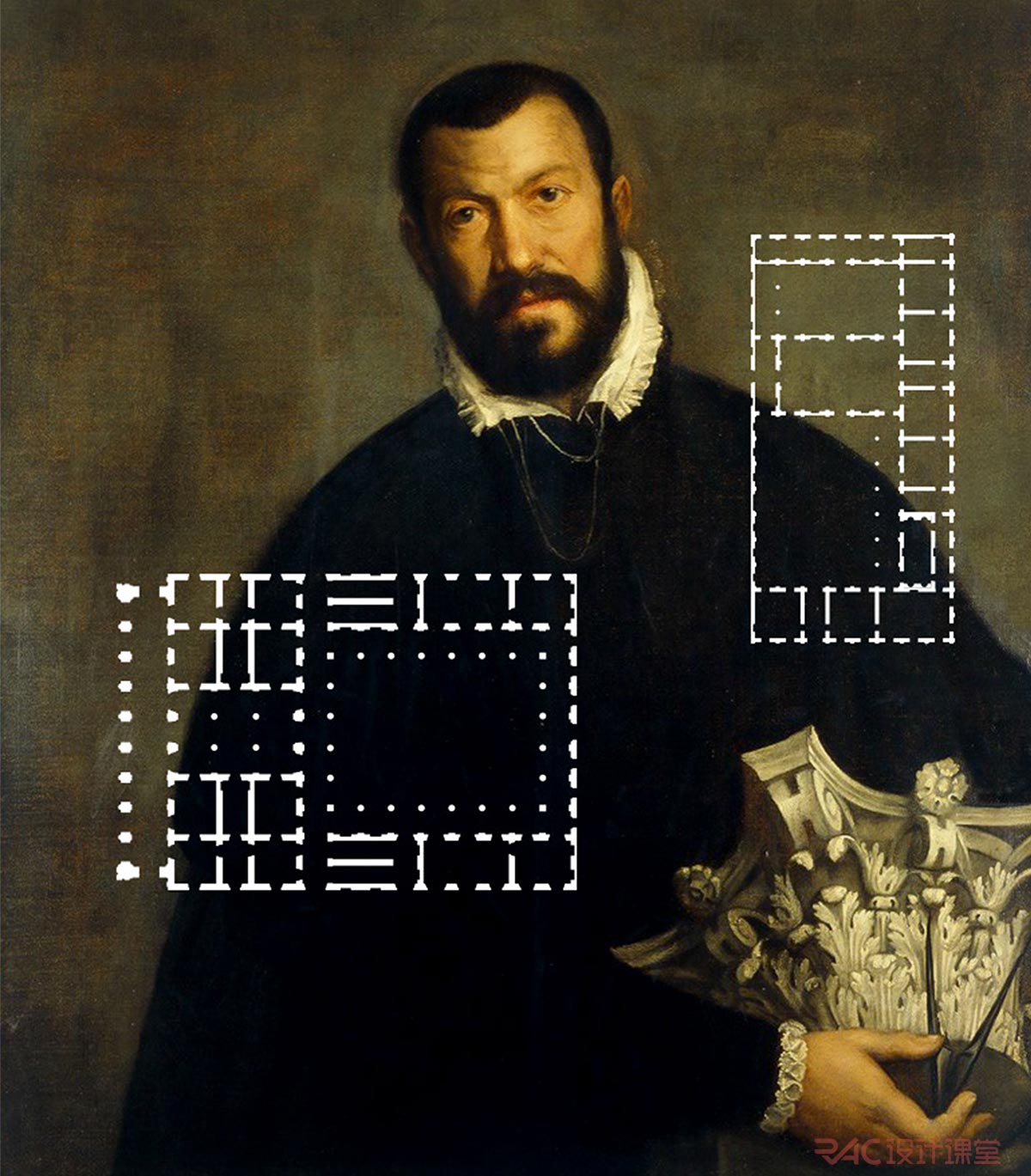
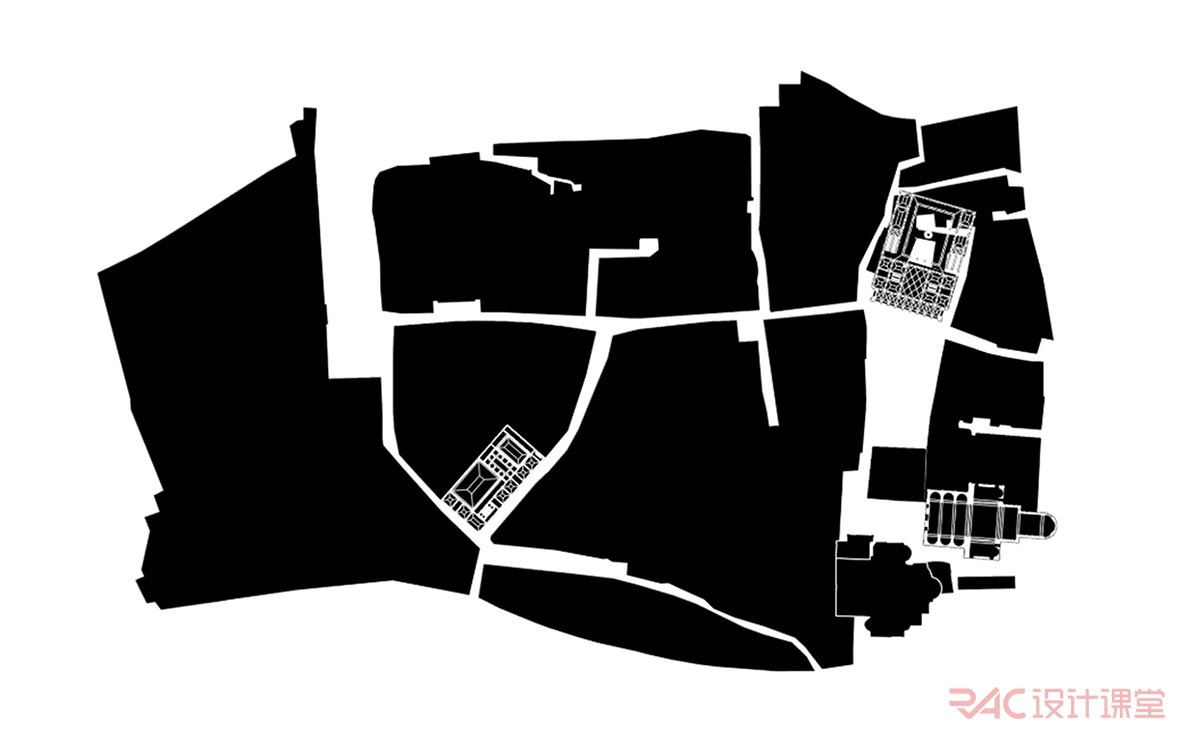
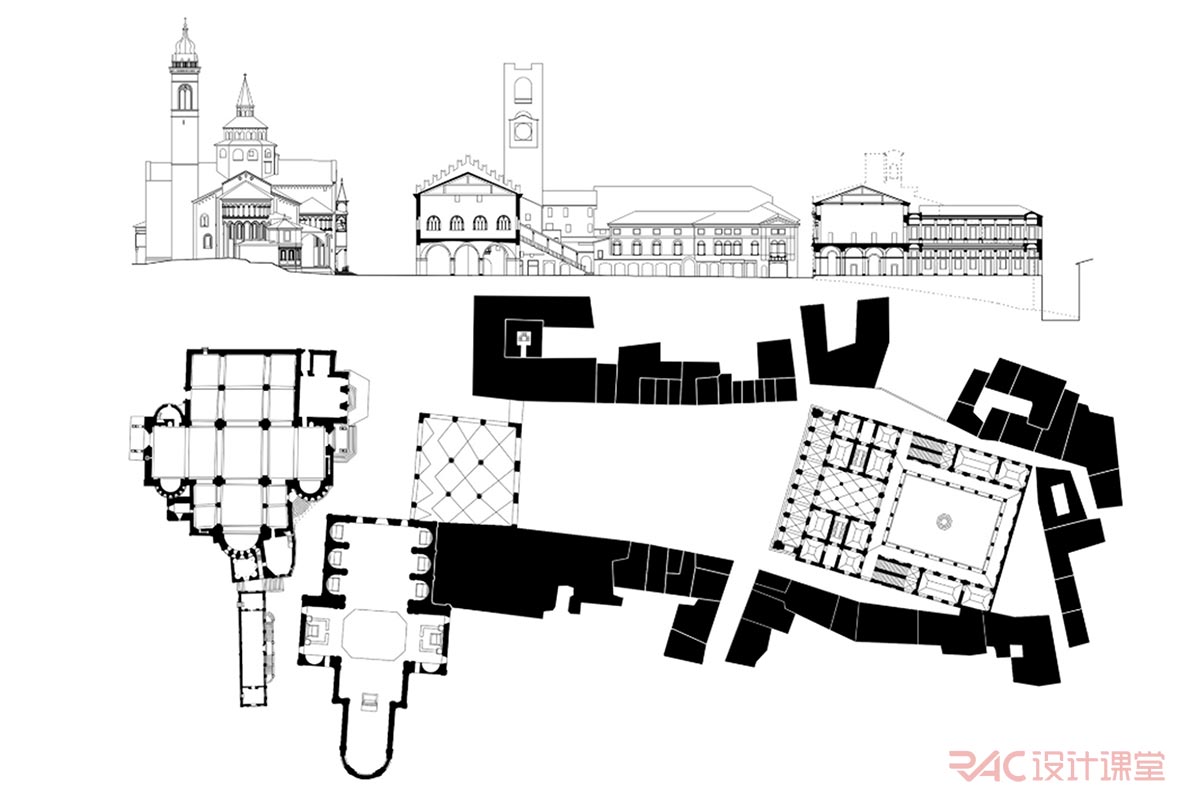
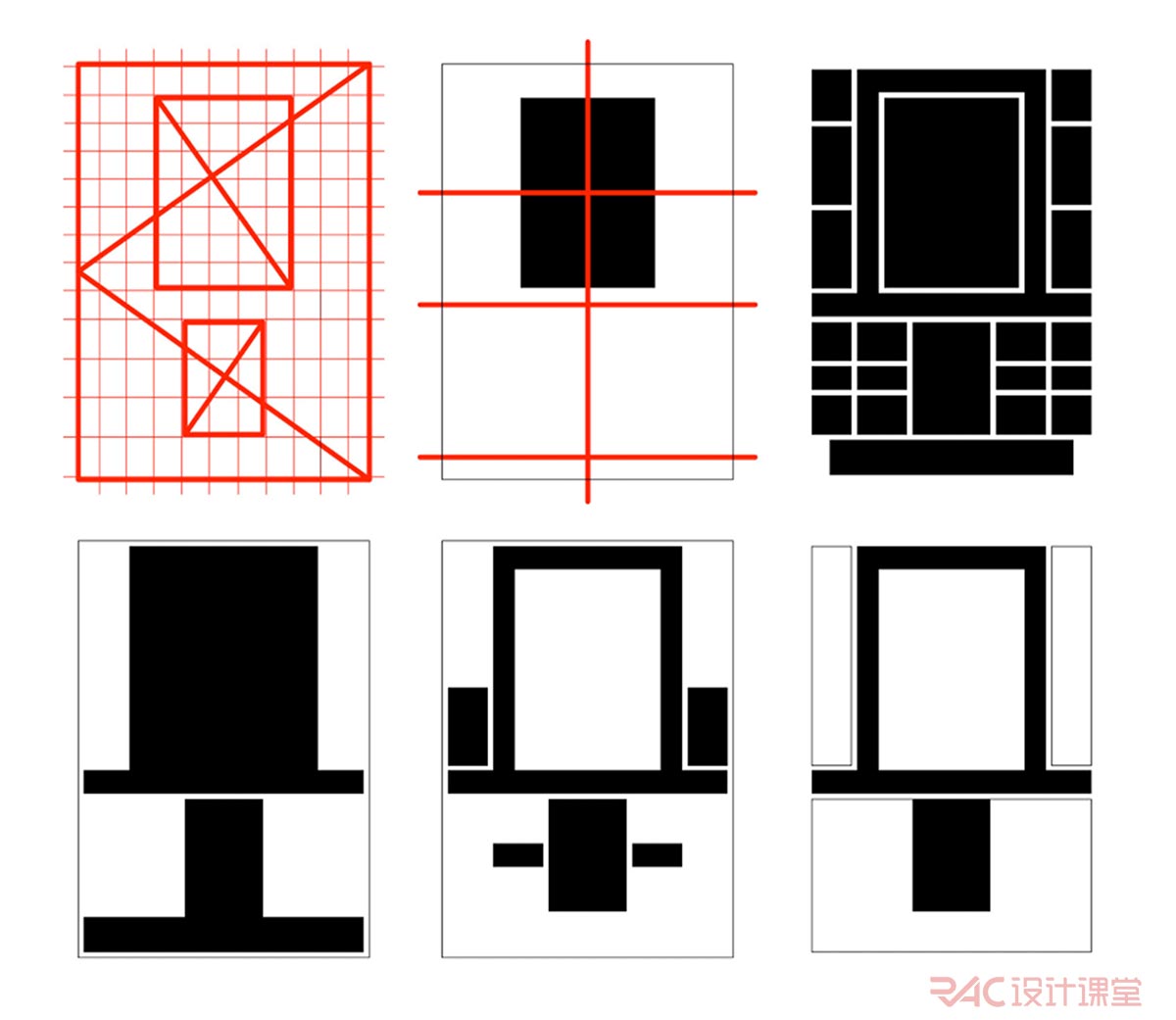
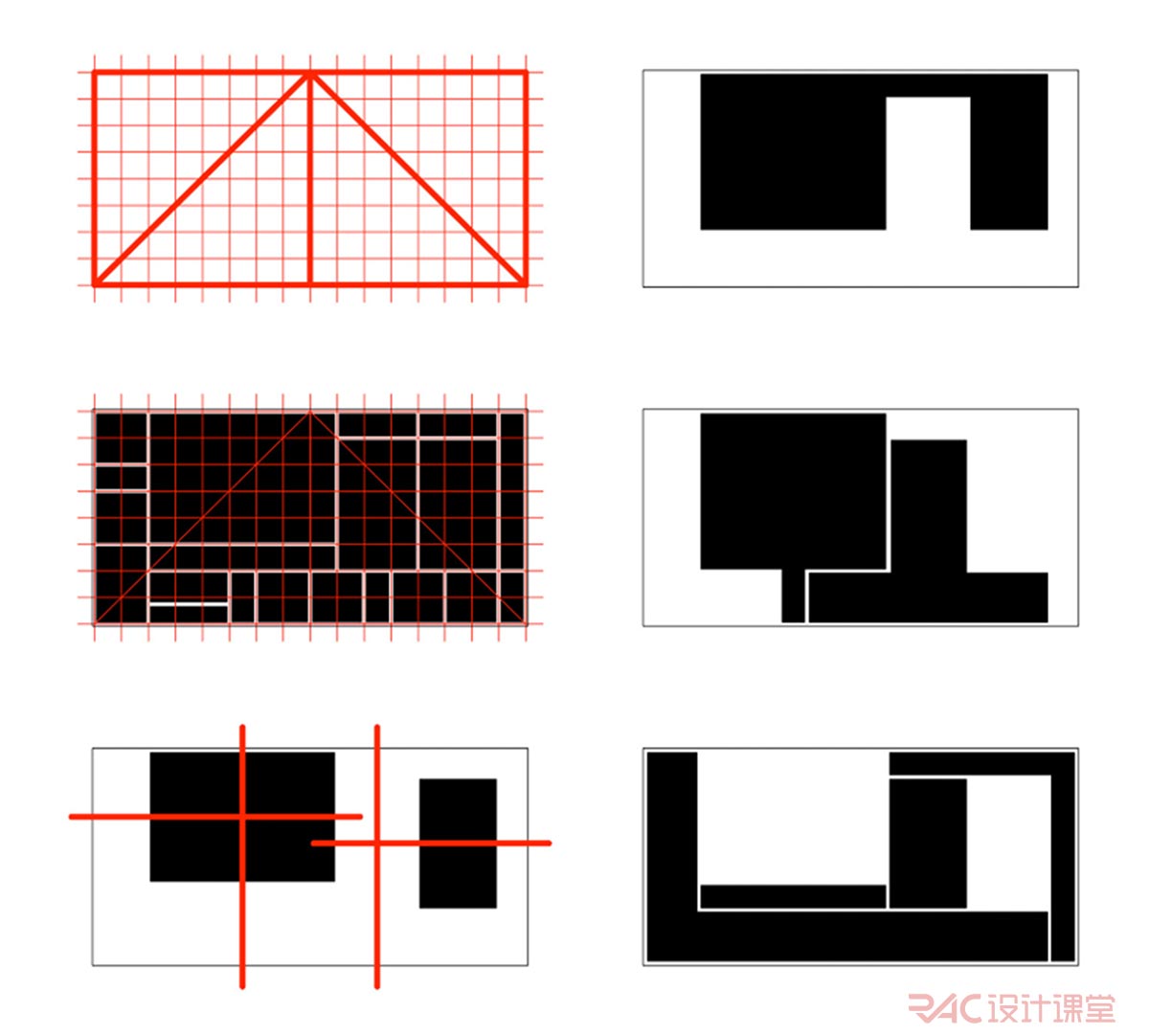
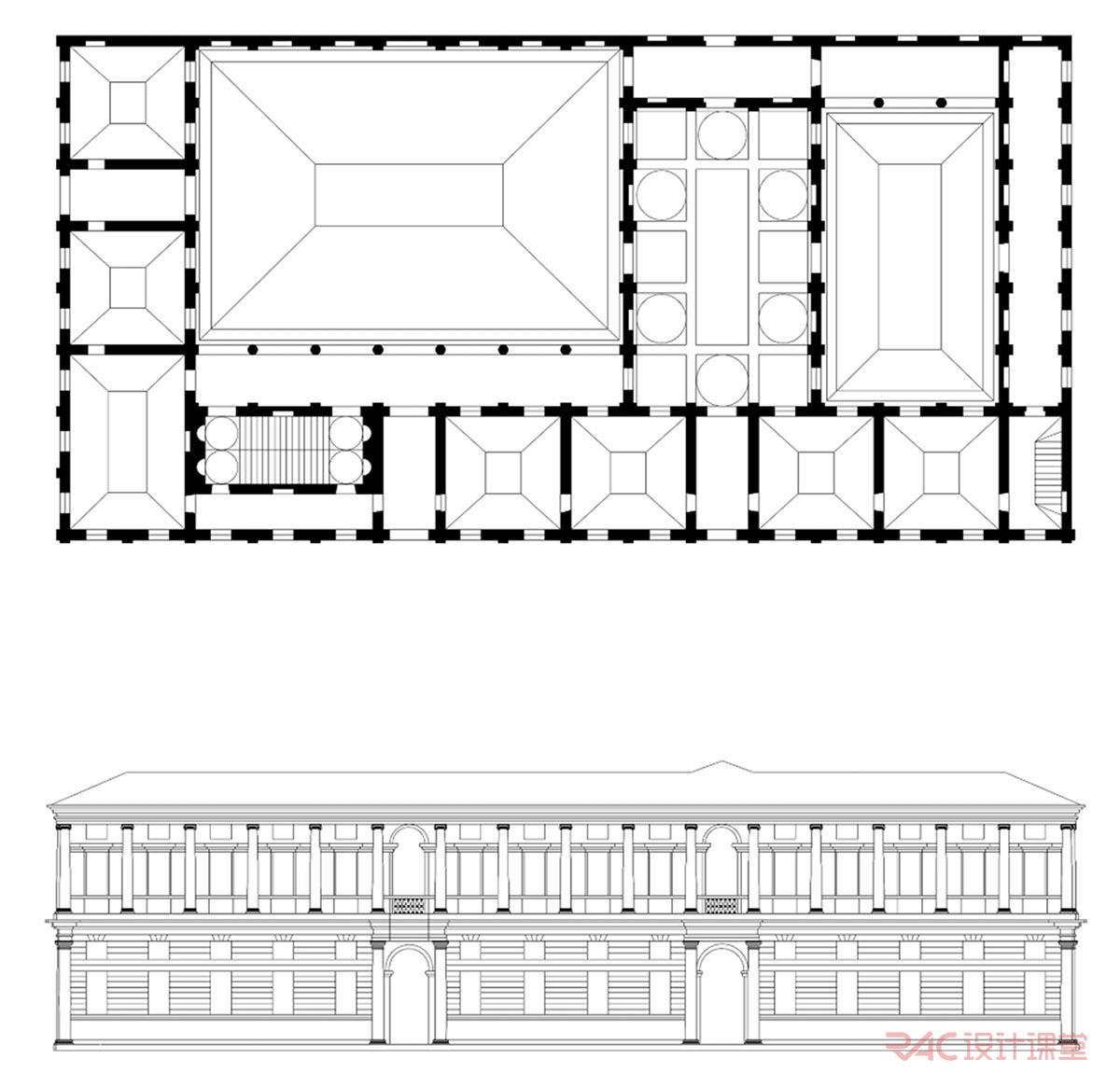
Credits from cn10 architect
Phase 02-
Concept and design & Design development
Part01.概念的提出,要求学生从不同尺度和场地背景展开不同设计并自行拟定任务书。开始对于城市进行分析和历史梳理。
Part02.设计的开始,介绍切入设计的几种方法,空间操作、图像研究、类型法、叙事性、研究类、调研分析类等等。
制作成果如下:
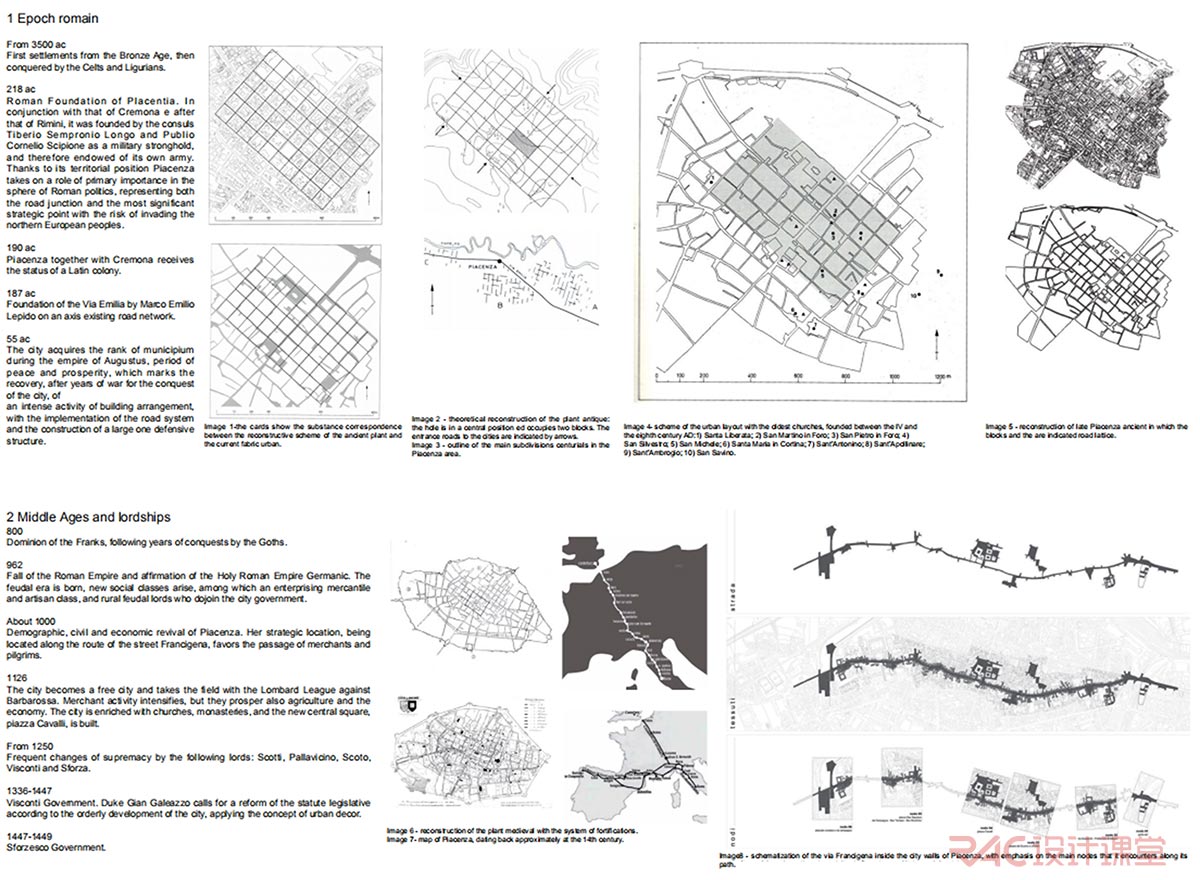
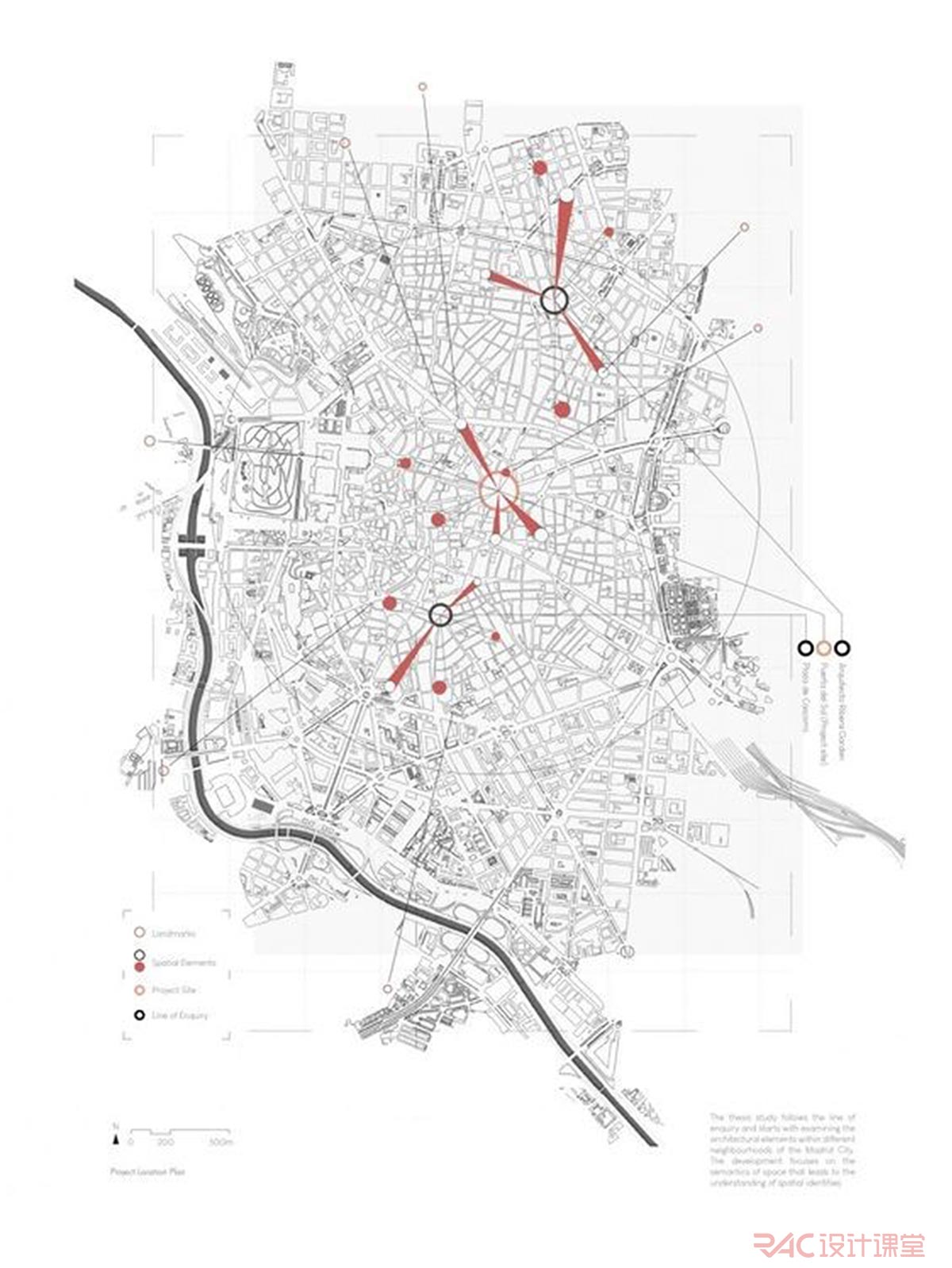
Credits from koozarch
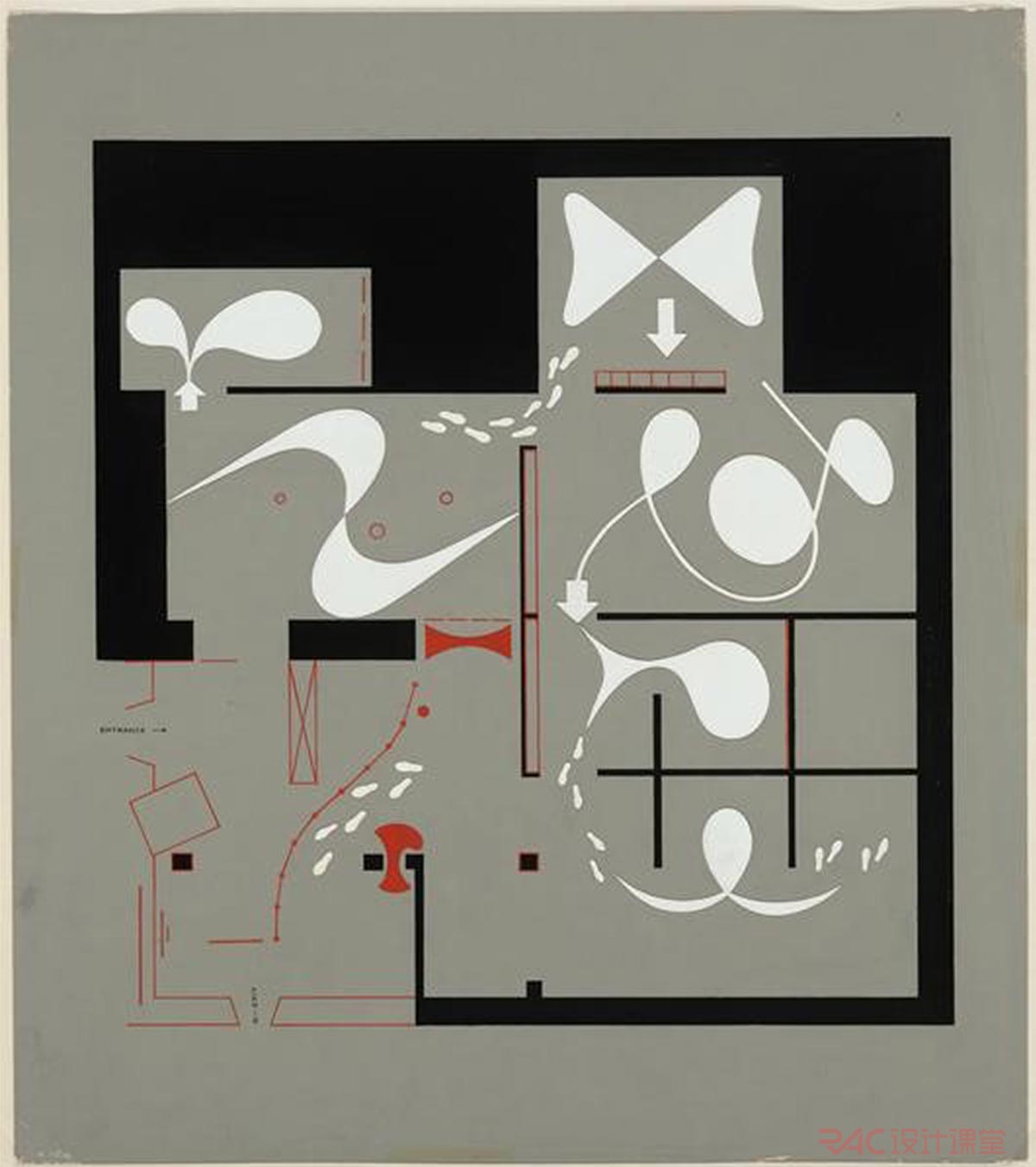
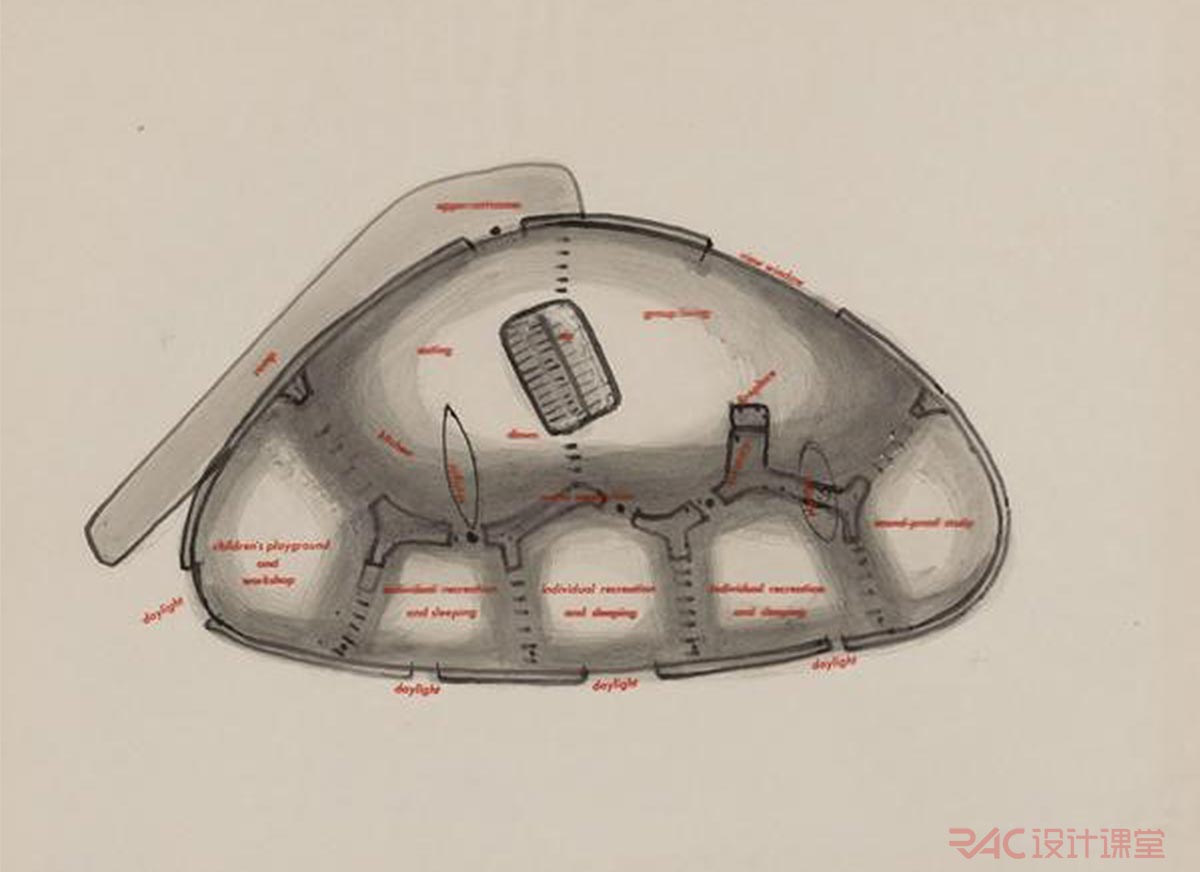
Credits from Herbert Bayer,Frederick Kiesler
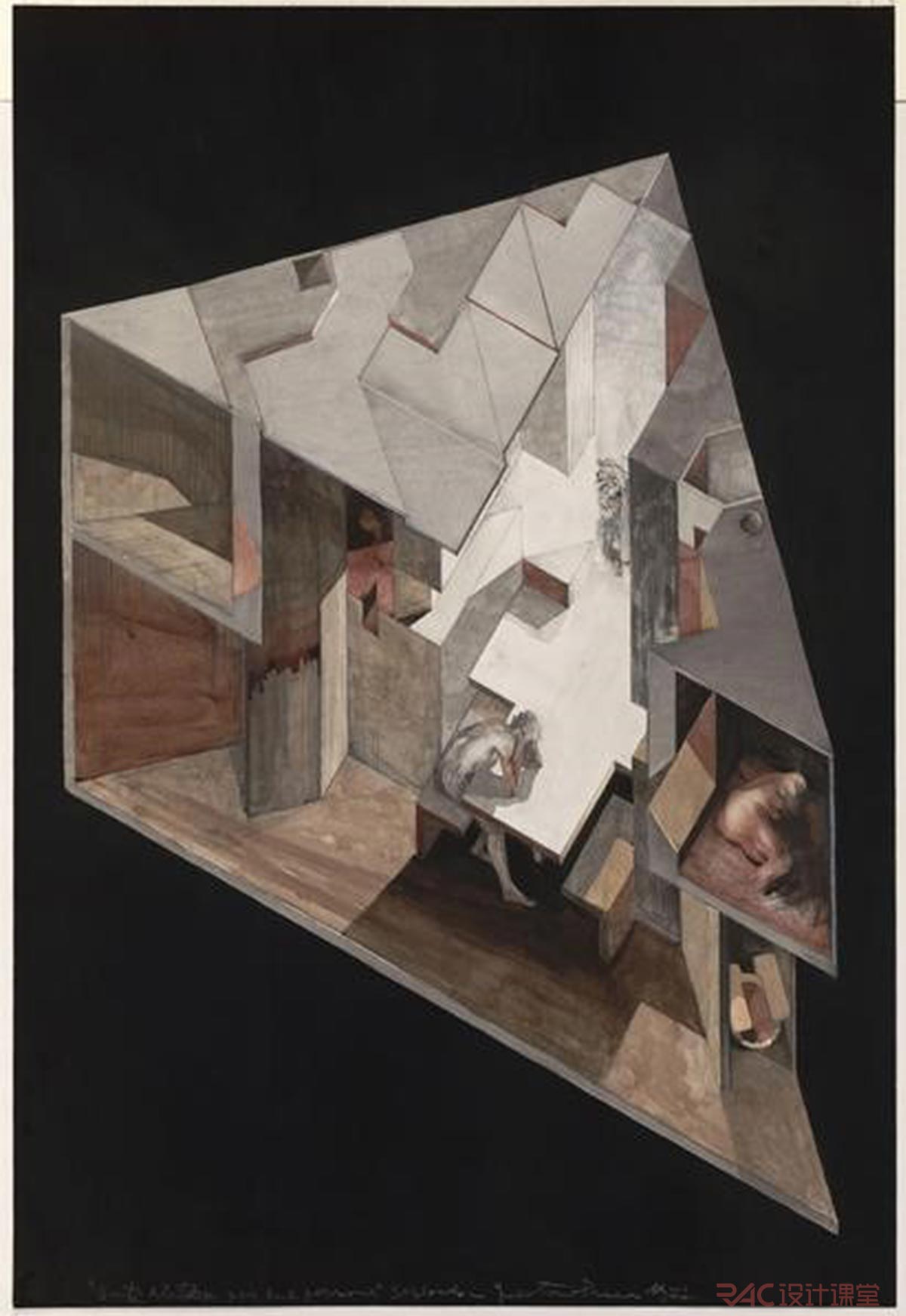
Credits from Gaetano Pesce
Phase 03-
Presentation and representation 出图表达
制作强有力的平面、剖面、剖透视,以及效果图,制作模型展示设计意图
制作成果如下:
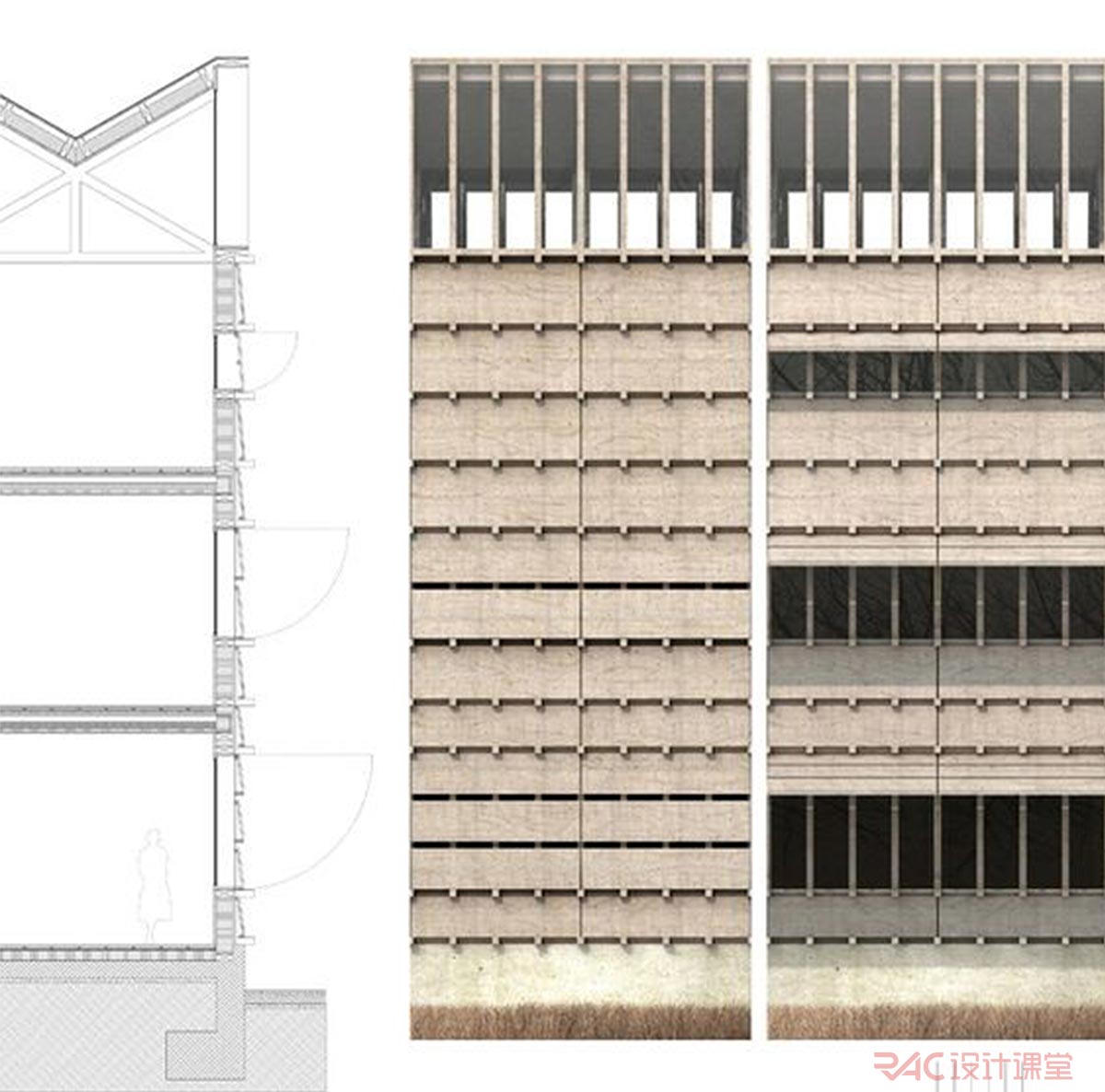
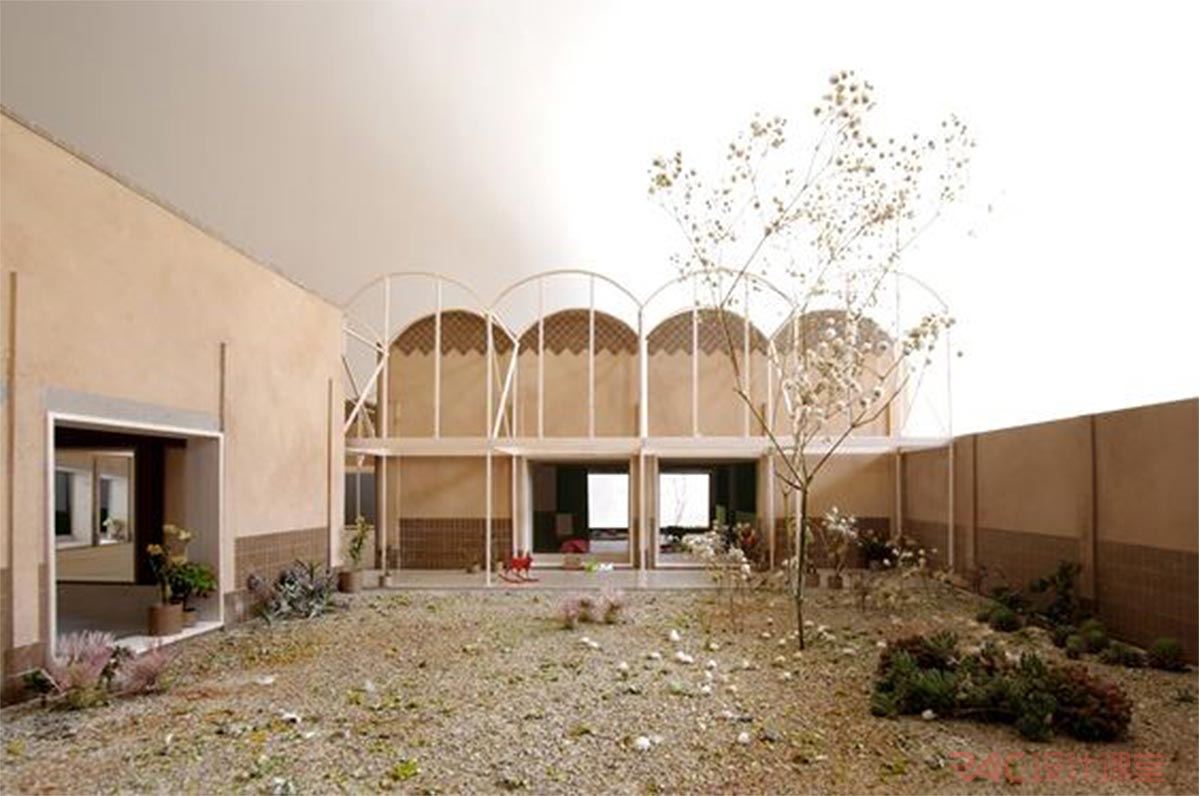
Credits from TED’ARCHITECTS
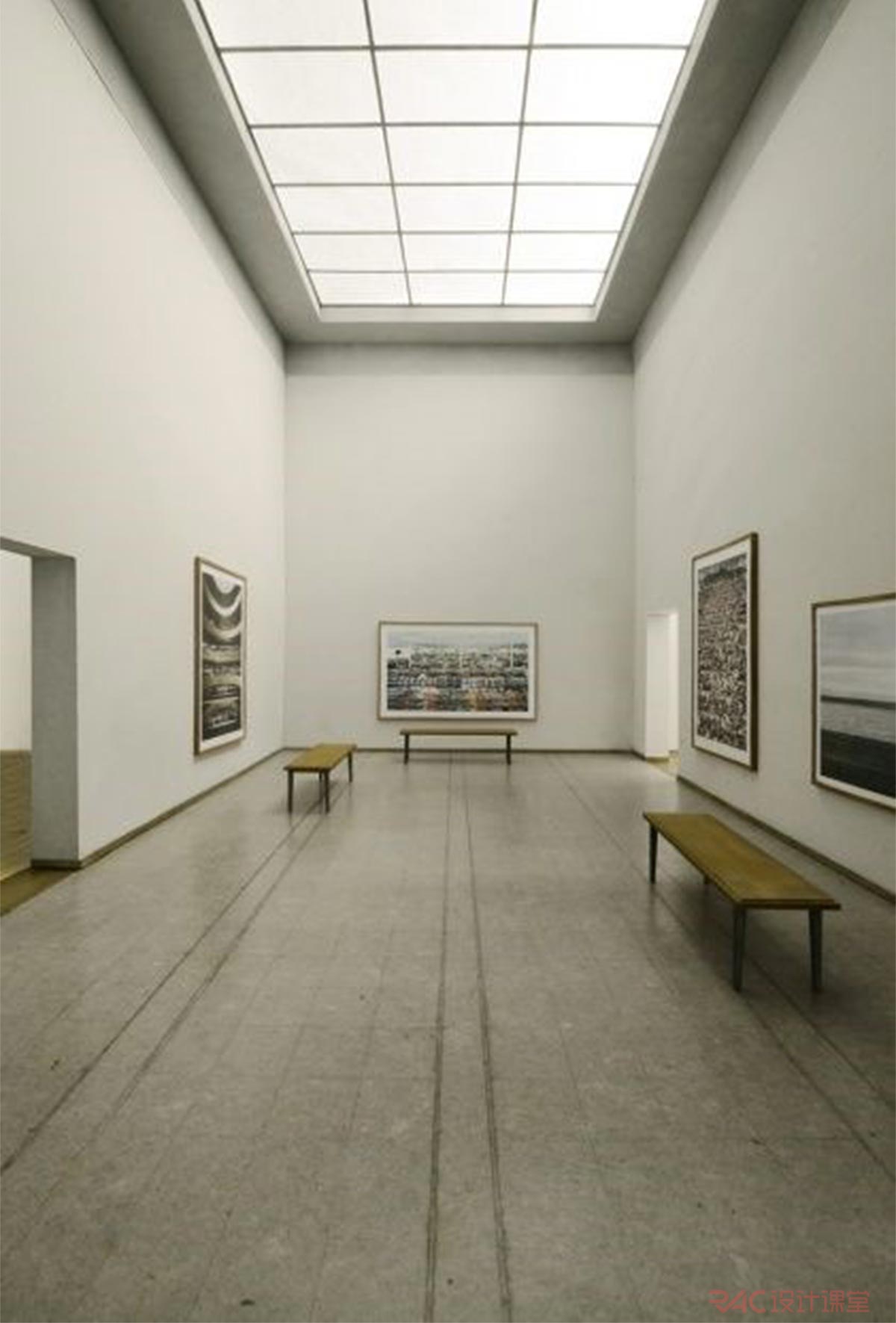
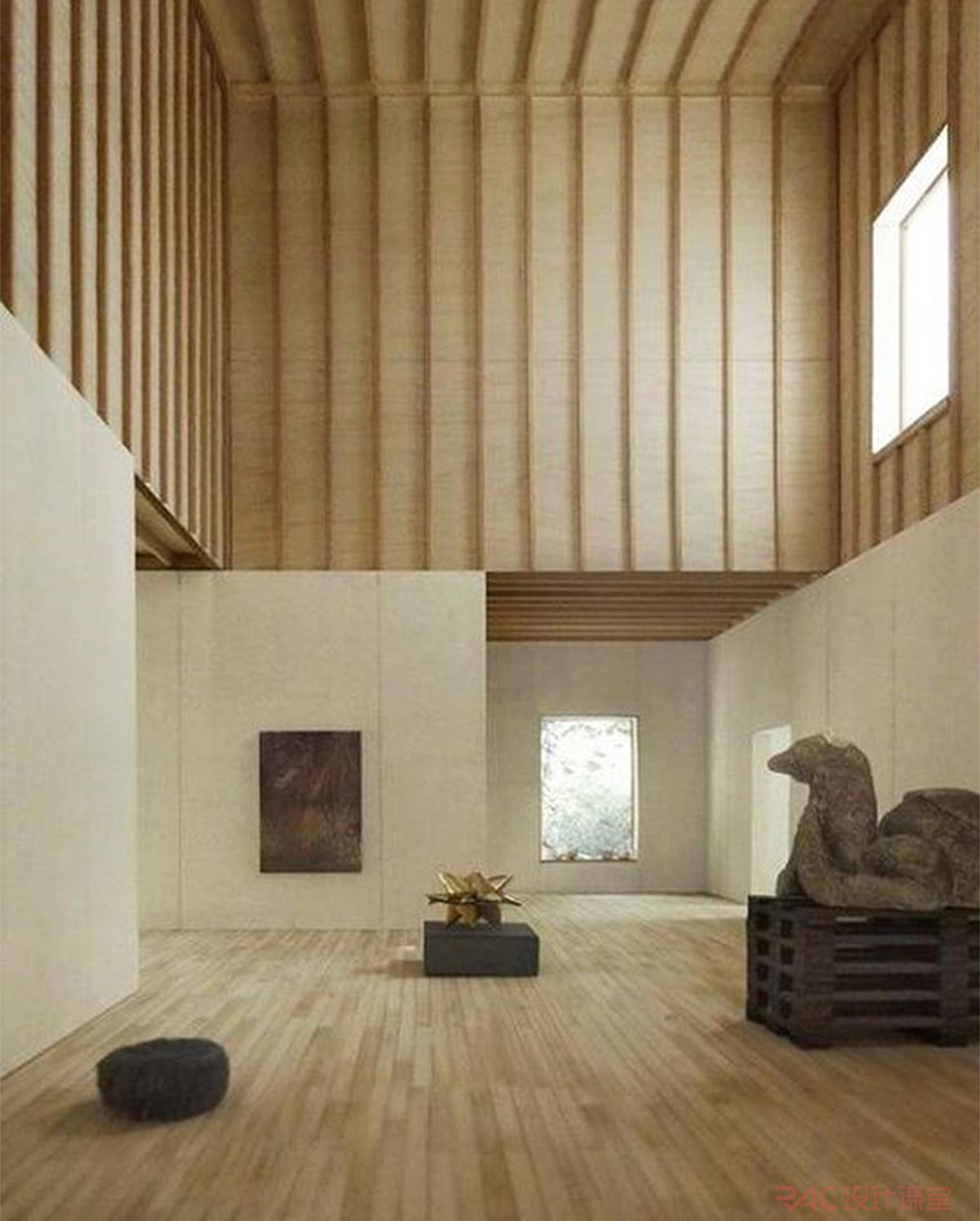
Credits from Adam Caruso ETH archive
studio课程成果
1.介入策略以及对修复的解读
2.相关策略在空间,形式层面的运用
3.展览流线,策展方案计划书
4 .手工模型能力,实景合成照片的氛围表达
studio时间表
Week 1
C1 开题课程讲座:设计题目解读
Assignment:案列分配及学习
C2 分组确认概念方向 research交流汇报
Assignment:Research visualization深化
Week 2
C3, 课程讲座:历史之上的现代性
Assignment:深化research部分,概念草模制作
C4 分组讨论深化方案
Assignment:拟合策展和空间概念。进入平面设计
Week 3
C5 中期公开汇报
C6 深化方案及艺术资料搜寻
Assignment:深化设计3D
Week 4
C7 分组讨论深化方案
Assignment:prepare for final presentation
C8 课程讲座:展览之间
C9 分组讨论深化方案,氛围模型制作
Week 5
C10 模型要点讲解和局部review
C11 分组讨论深化方案
prepare for final presentation
C12 final presentation