Adolf Loos对建筑的定义是:一个在森林中,被铲子堆成一个金字塔形状的,六尺长、三尺宽的,埋葬人的土丘(mound)。“那就是建筑”,他说道。如果我们借用Loos对建筑的定义,并接受其所有可能引申的含义,即土丘作为一个人工物体的存在,借由某种目的性、意向和手法被创造,那么Loos的坟可以被用来帮助我们去理解大地、建筑地面、空间、建筑屋顶、天空之间的关系,或者说可以用来帮助我们理解建筑。
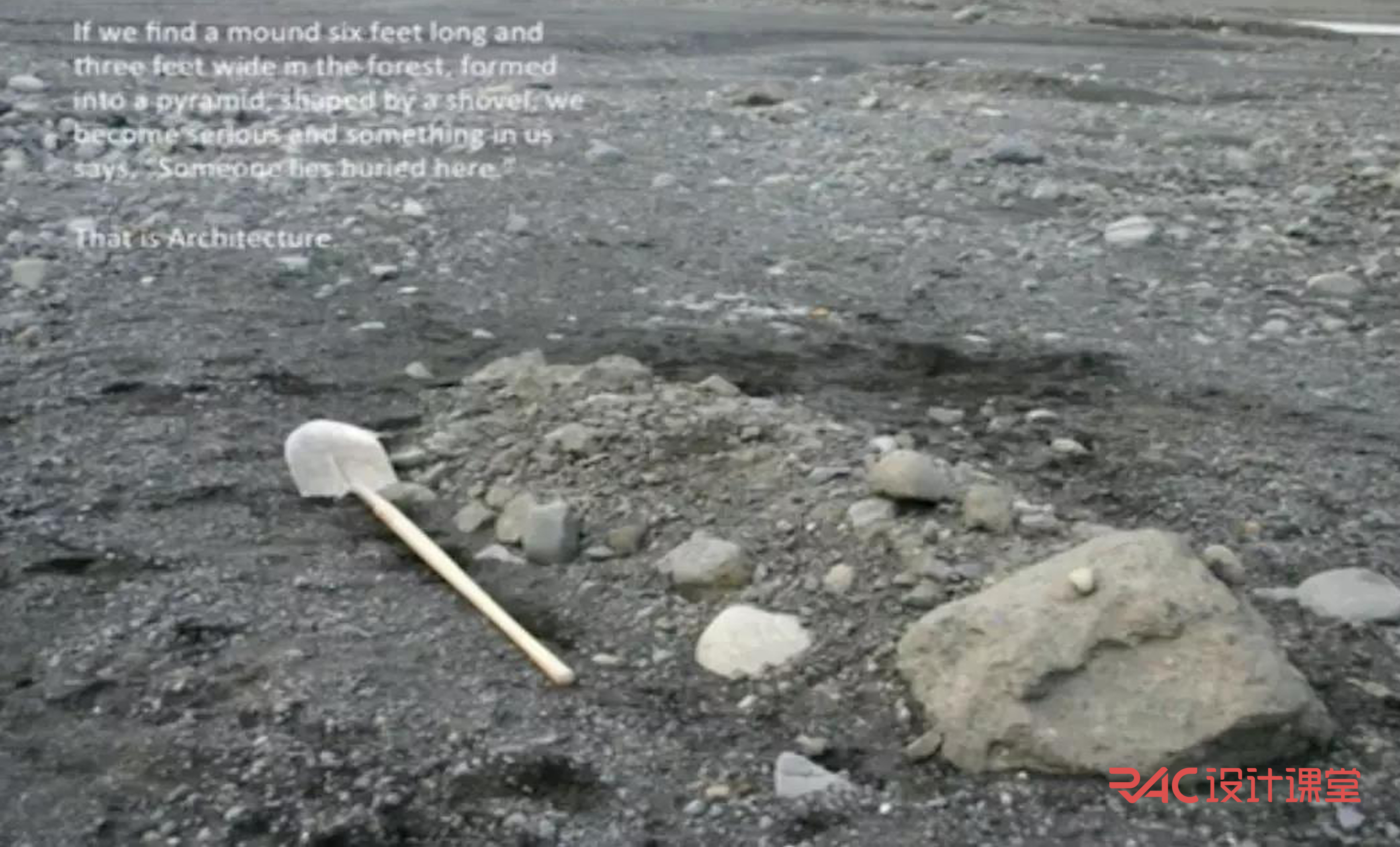
"If we find a mound six feet long and three feet wide in the forest, formed into a pyramid, shaped by a shovel, we become serious and something in us says, “someone lies buried here.” That is architecture’"
Adolf Loos
当然,我们也不要忘了,在这些元素之间,同时有形和无形地存在着人的身体,即作为实际存在的也作为一个概念性存在的人体。这就是建筑,无论是在其实际的功能,还是在其符号性、象征性、意义和形式上,或是其与人体的关系上,都是一座恰如其分的建筑。一座土丘,一座坟。
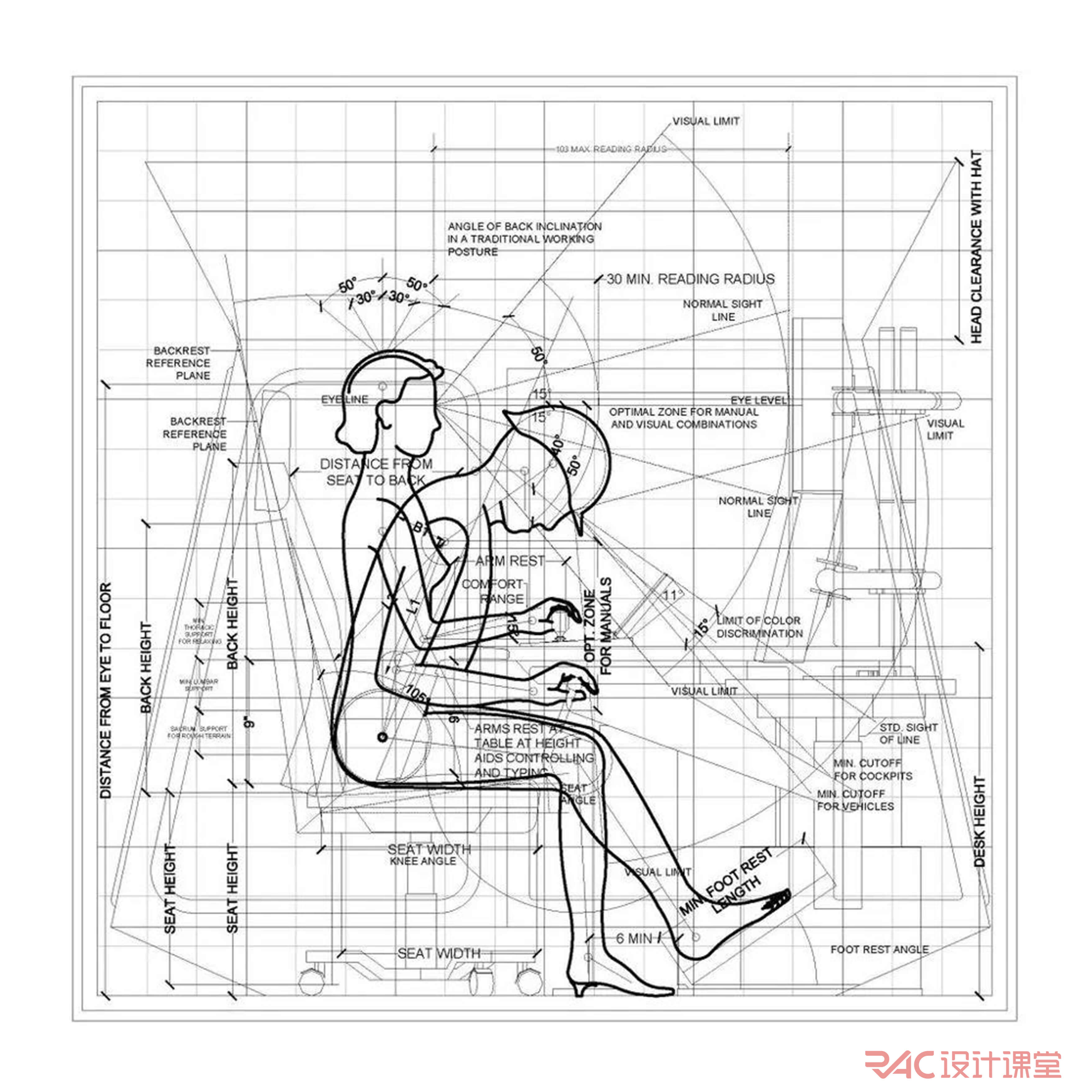
Anthropometric Data. Crane Cabin Operator vs Remote Control Operator.
Drawing by Het Nieuwe Instituut, 2017
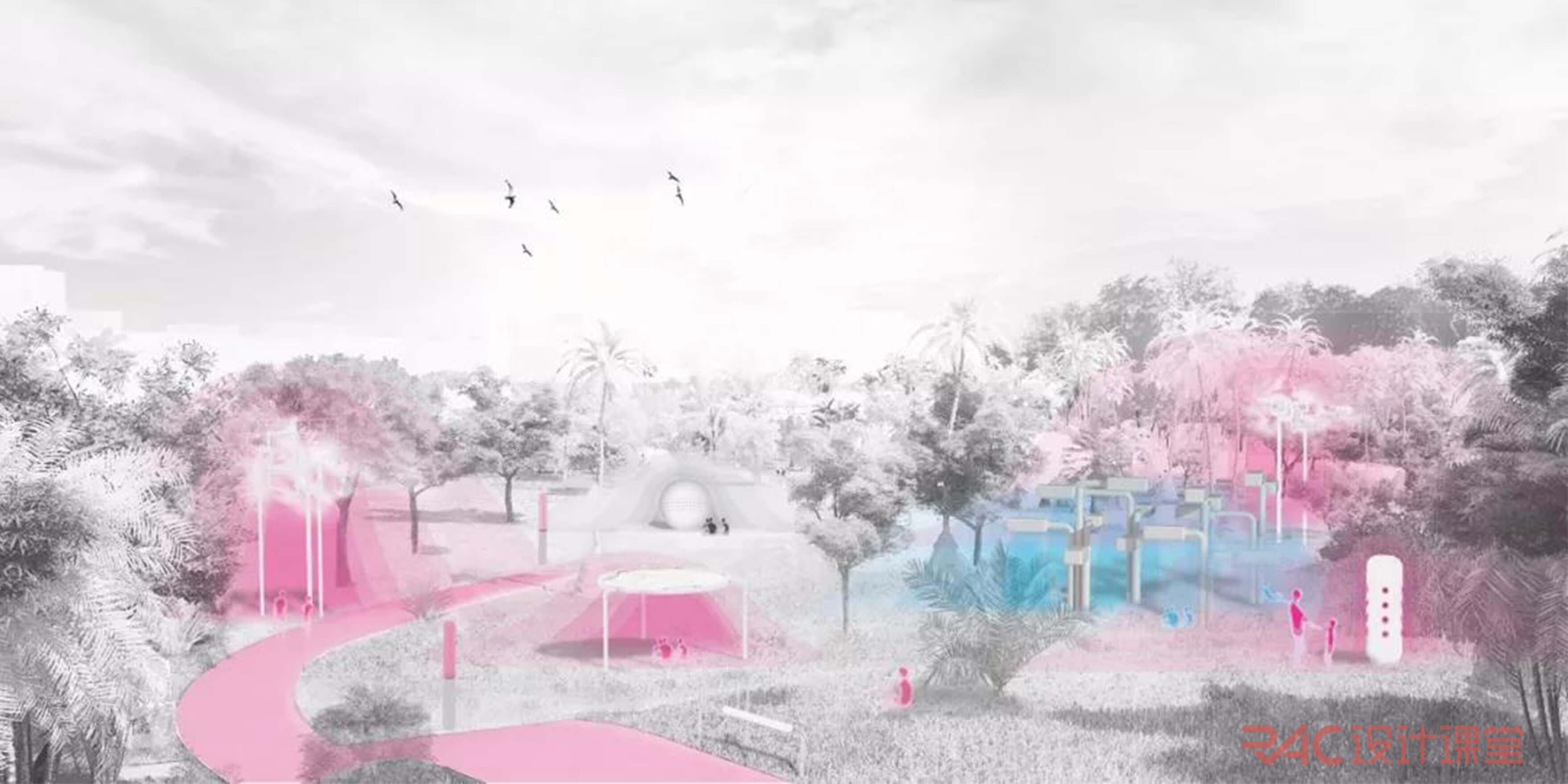
Jade Eco Park (Philippe Rahm)
Mark Jarzombek在“哈克的冷凝立方体:盒子里的机器和建筑的阵痛(Haacke’s Condensation Cube: the Machine in the Box and the Travails of Architecture)”中写道,“为服务于对现代舒适的需求,在十九世纪,建筑(Architecture) 不得不将其表面分裂,但一旦分裂后它不再能被重新组合起来。
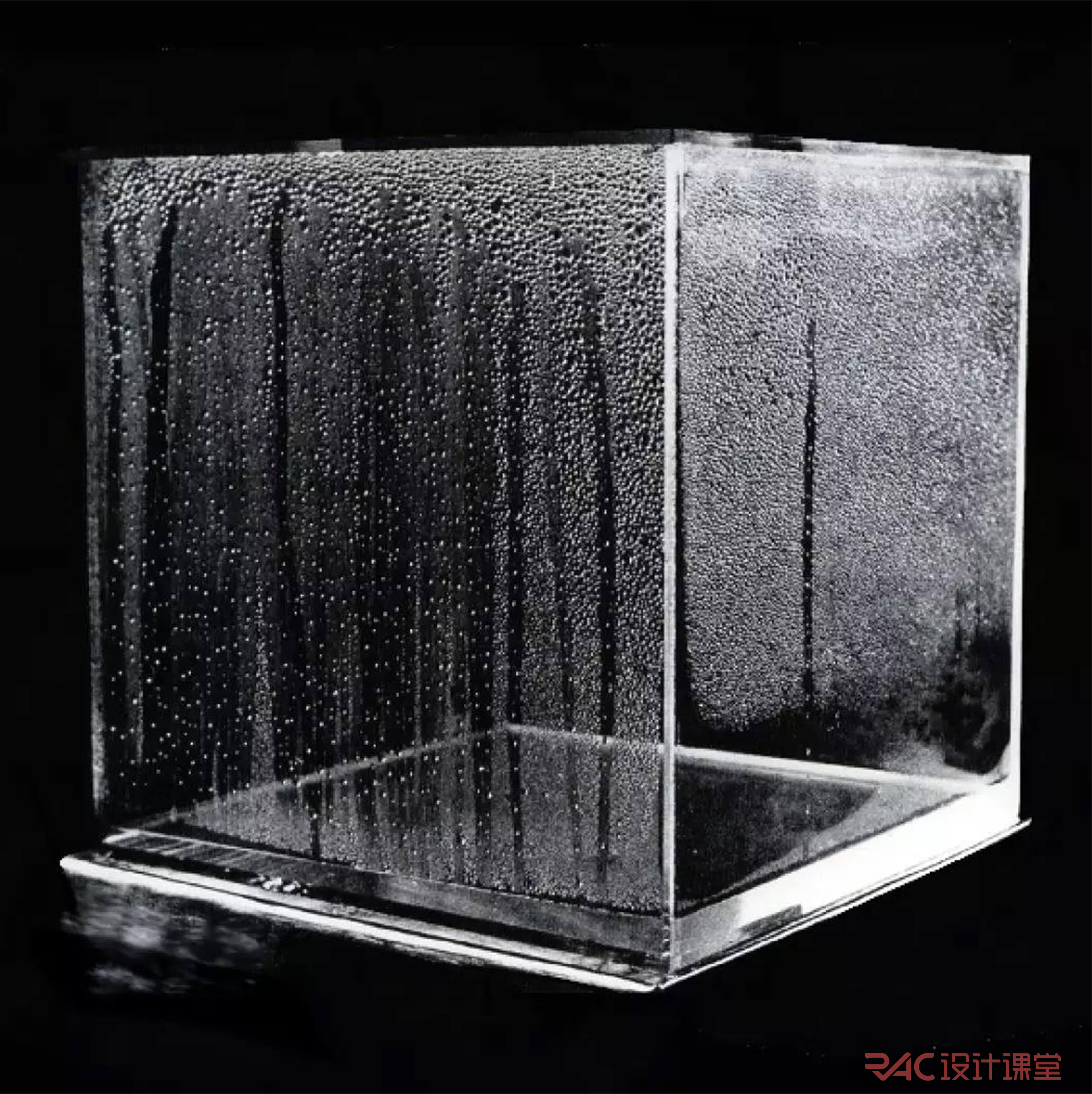
Hans Haacke condensation cube 1965
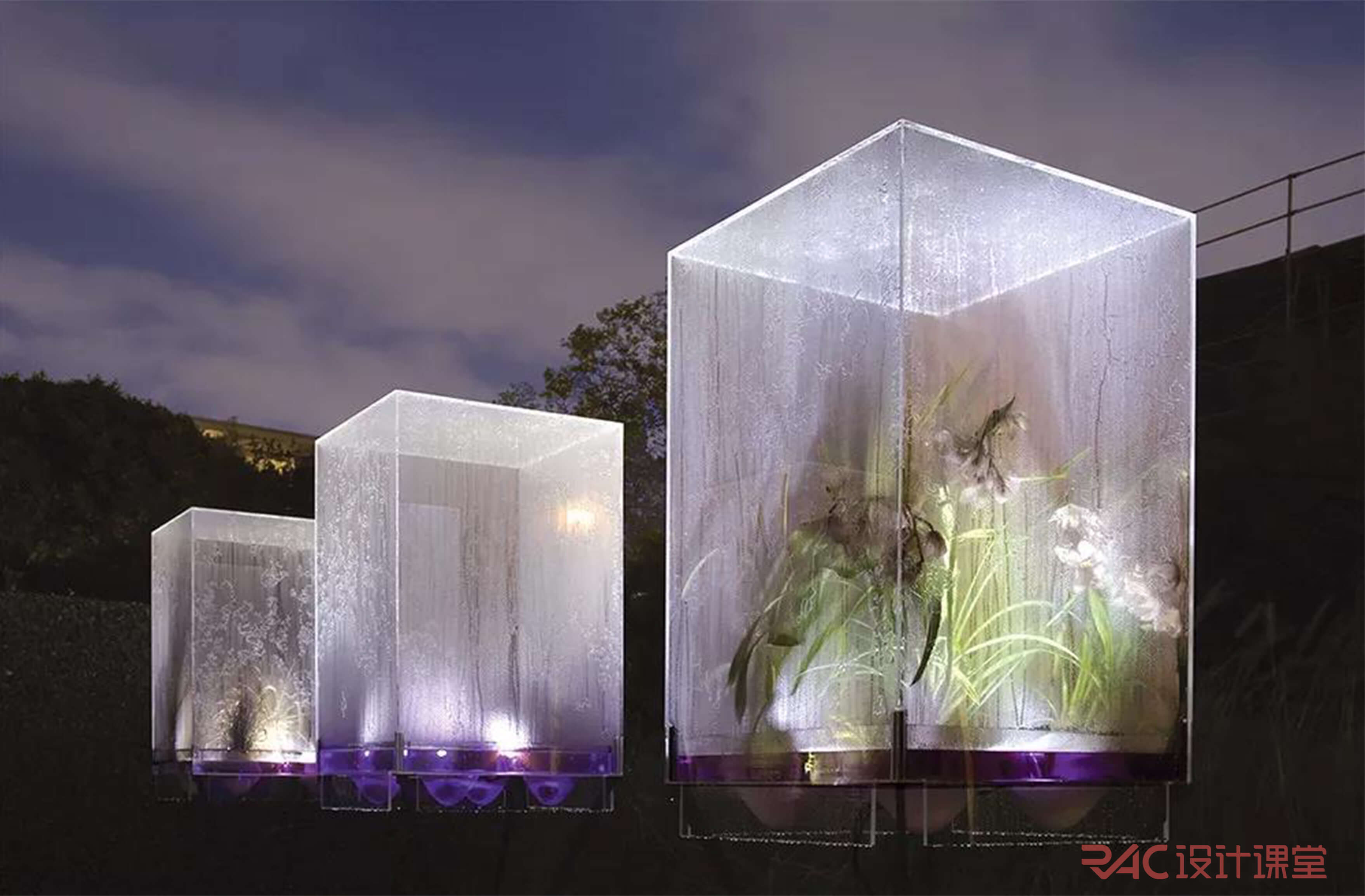
School of Architecture, Gallery 1100, University of Illinois at Chicago, 845 W. Harrison St., Chicago, IL 60607.
Sean Lally & Kirk Wooller
再借用Jarzombek的话来重述这个主题的话,那就是在这个课程中,我们会试图去寻找一个至少是修补(如果不能修复的话)这一“分裂”的方式。从Loos的定义开始,带着Jarzombek的告诫和我们自己的发问,我们将开始这个设计项目的尝试和探索。
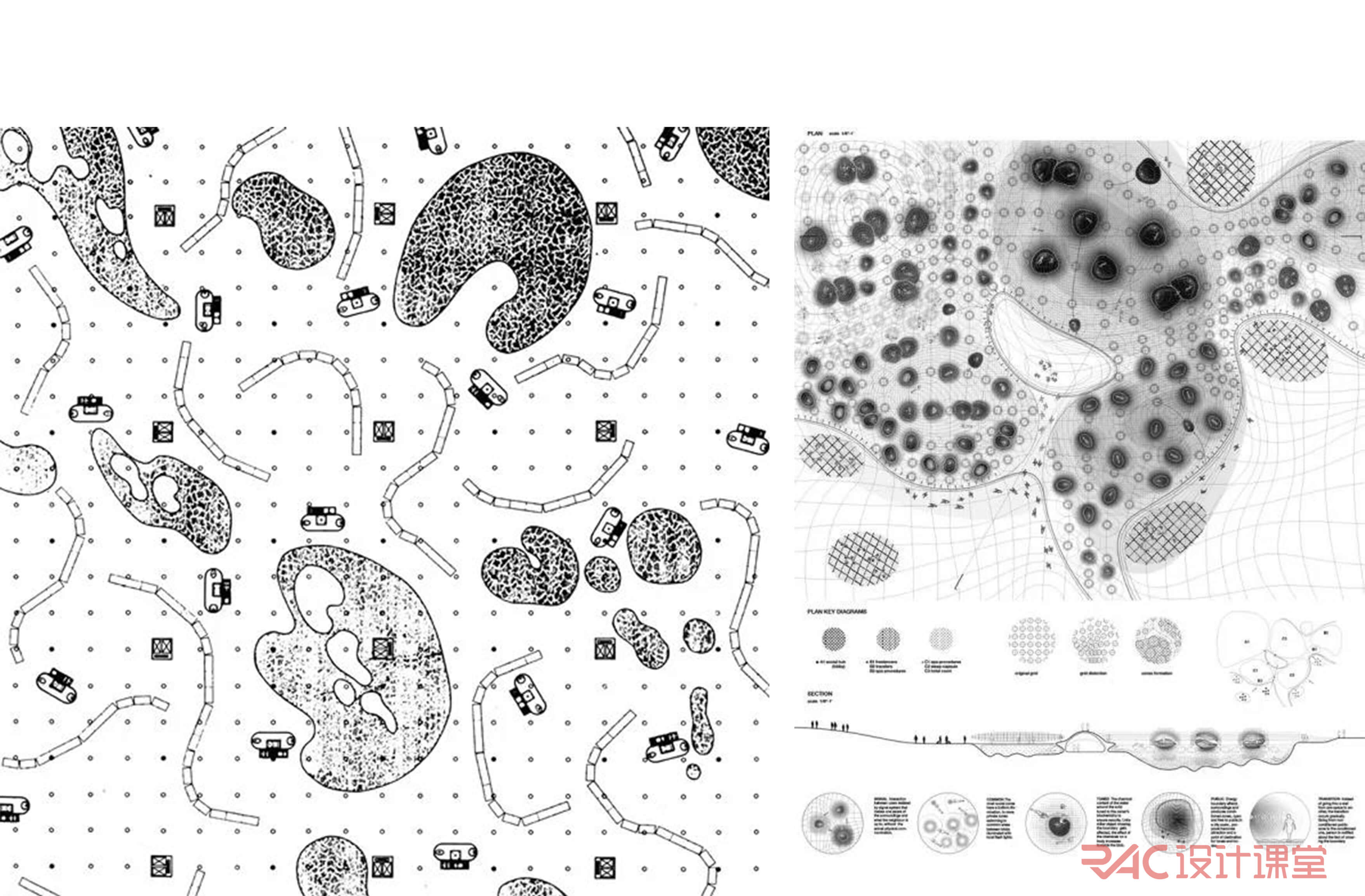
Left: Andrea Branzi, Residential Park, No-Stop City, project, Plan 1969
Right: “These Go Up to Eleven” Third Year Graduate Options Studio, University of Illinois at Chicago (UIC). Assistant Professor Sean LALLY, instructor.
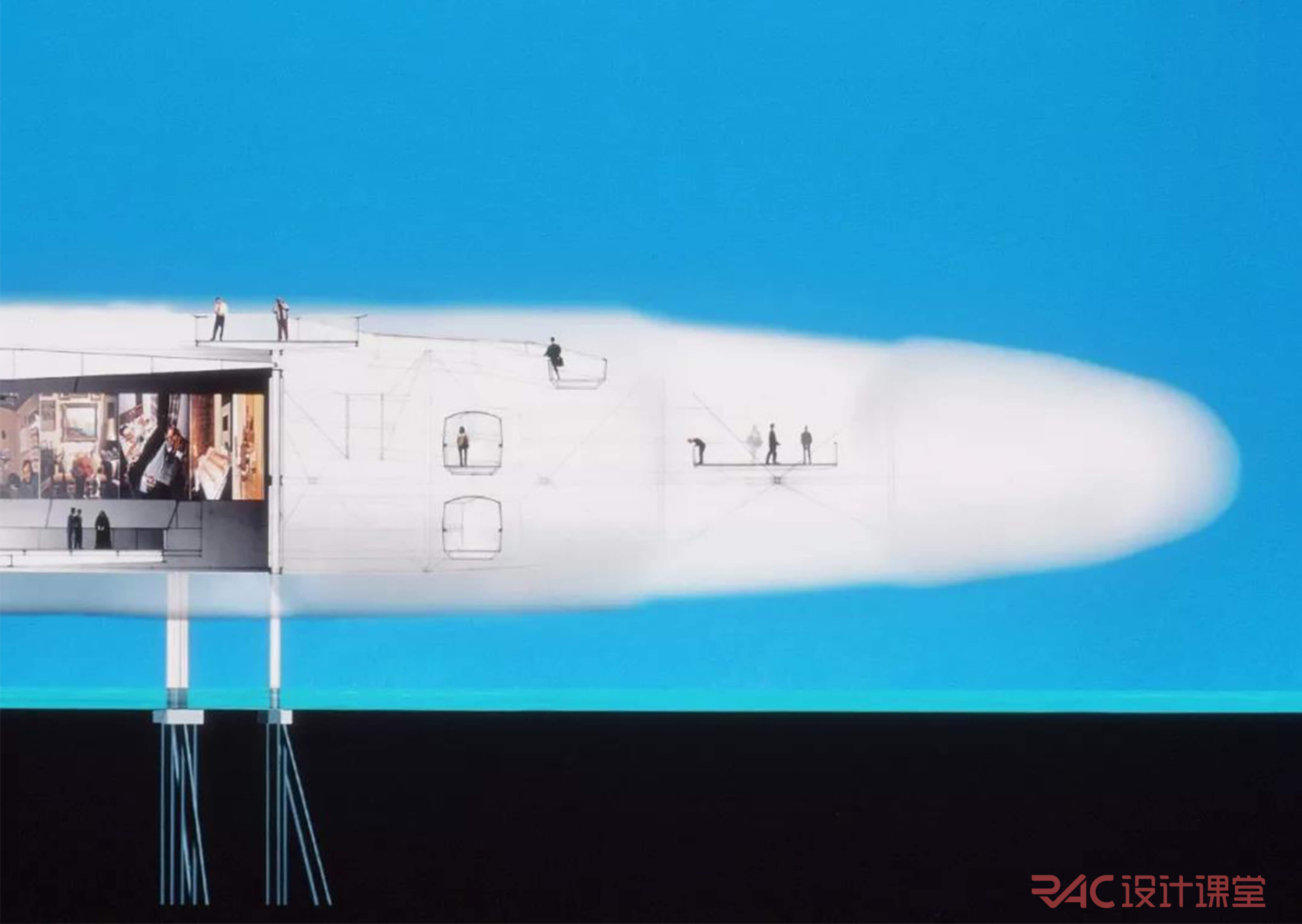
Blur Building
Image courtesy Diller & Scofidio
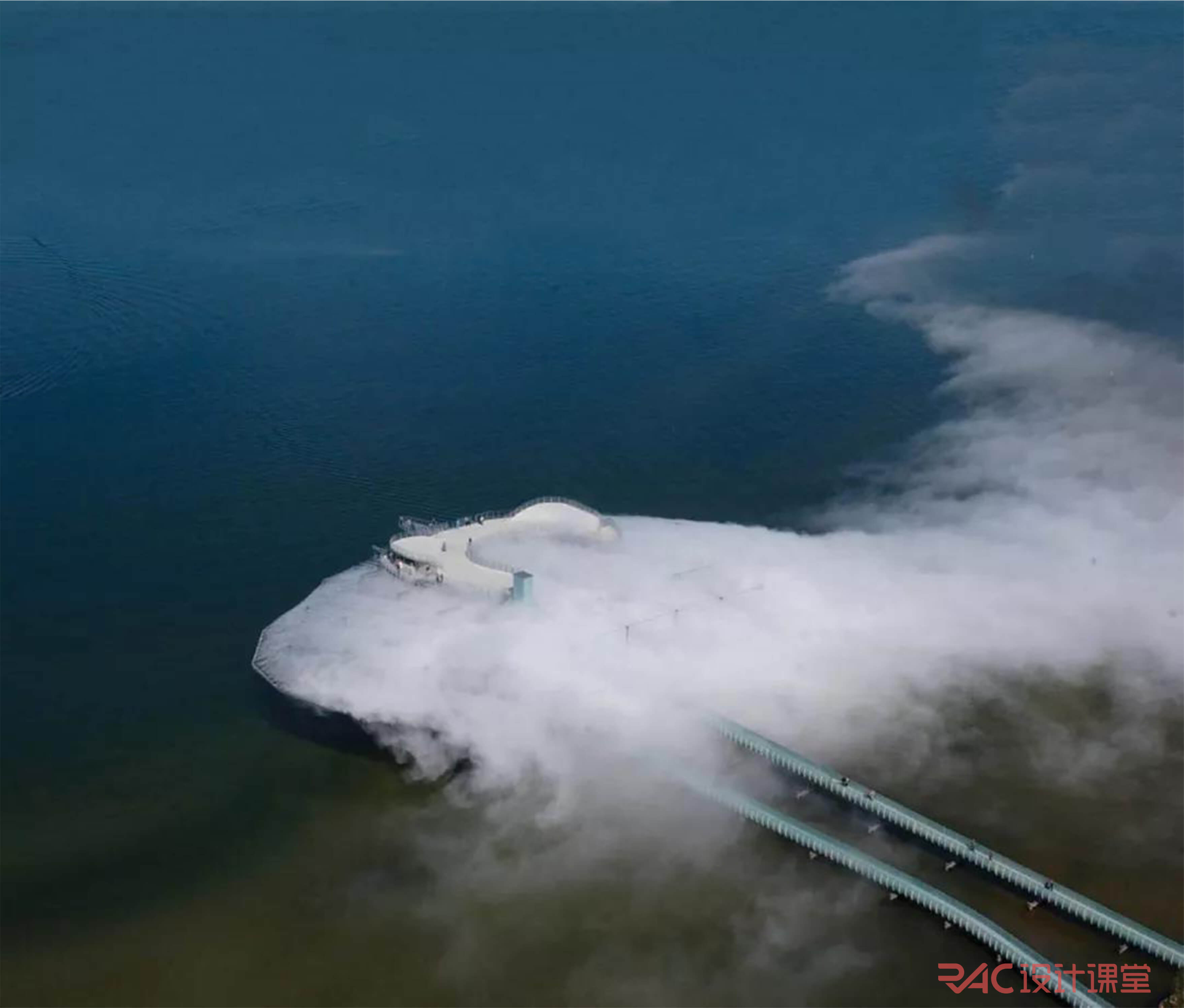
Blur Building, Lake Neuchatel, Yverdon-les-Bains, Switzerland, 2002: View of Angel Dec
Photo courtesy Diller & Scofidio
参考书目:
Haacke’s Condensation Cube: The Machine in the Box and the Travails of Architecture
Ten Canonical Buildings – “Jewish Museum” (Eisenman)
Architecture’s Desire-Analogy
Mechanization Takes Command (Giedion)
相关案例:
Modena Cemetery (Aldo Rossi)
Holocaust Memorial Berlin (Peter Eisenman)
The Architecture of Madness (León Ferrari)
Jade Eco Park (Philippe Rahm)
Crane Cabin Operators Remote Control Operator (Het Nieuwe Instituut)
No Stop City (Archizoom)