Smart Syntax Underpass
(高架下的智能设计)
Studio Background

Artificial intelligence is playing an ever-increasing role in our lives. The socialized, locationalized, and mobile intelligent technologies are offering new opportunities for the interactions between human and the exterior environment, which makes the human-environment relationship more strongly adhesive, beyond spatial and temporal limits.
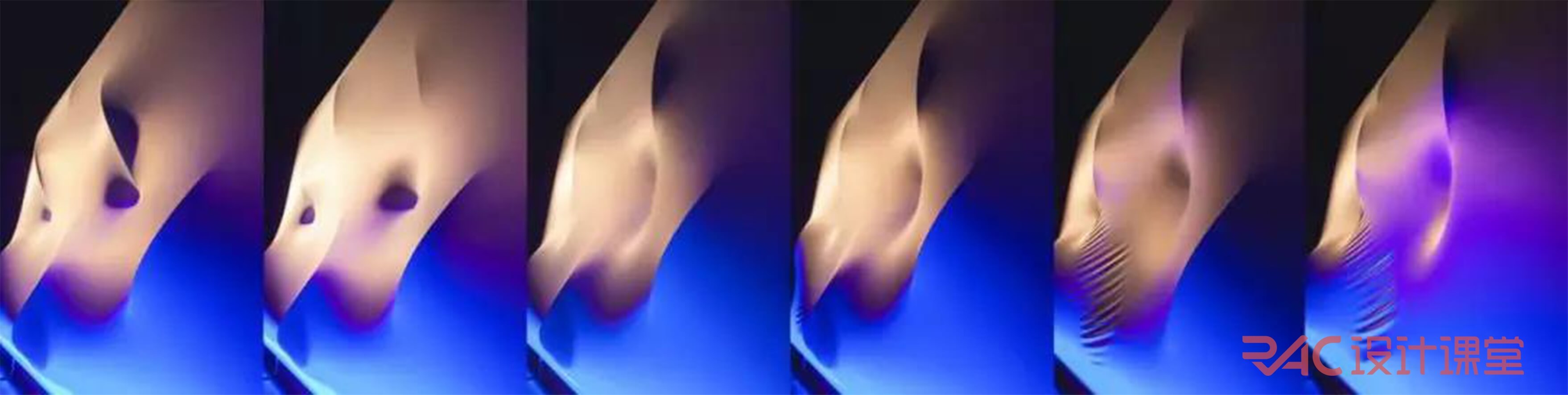
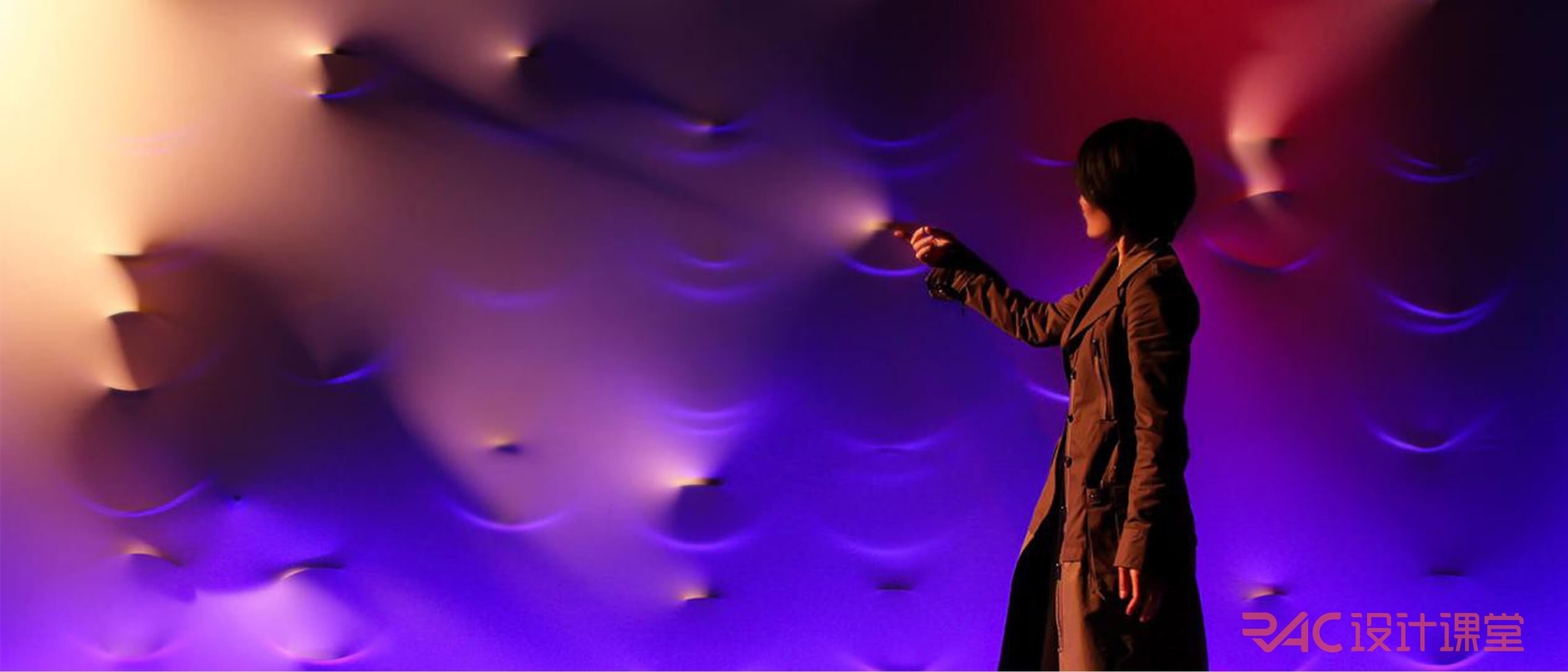
Breathing Wall II
Developed with support from the USC School of Cinematic Arts
Focusing on physical logics are going towards interdisciplinary collaboration in landscape design. Smart applications and programs make landscape creation more easily cognized by the public, and encourage public engagement of landscape management.[ 景观设计学, 人工智能与未来景观, 2018.04] It is expected for landscape architects to think about a place comprehensively and interdisciplinary and continues to focus on the study, invention, and creative use of technologies to enhance the ways that people think, express, and communicate ideas, and explore new scientific frontiers.

bioLogic Self-Transforming Biological Ski
by Tangible Media Group, MIT Media Lab

bioLogic Self-Transforming Biological Ski
by Tangible Media Group, MIT Media Lab
课程目的:
The studio will focus on creating transformative solutions that positively impact society, as well as the overall solutions to specific site condition. A particular focus will be put on imaginative ideas, systematic thinking, projects logics, prototyping and experimentation.
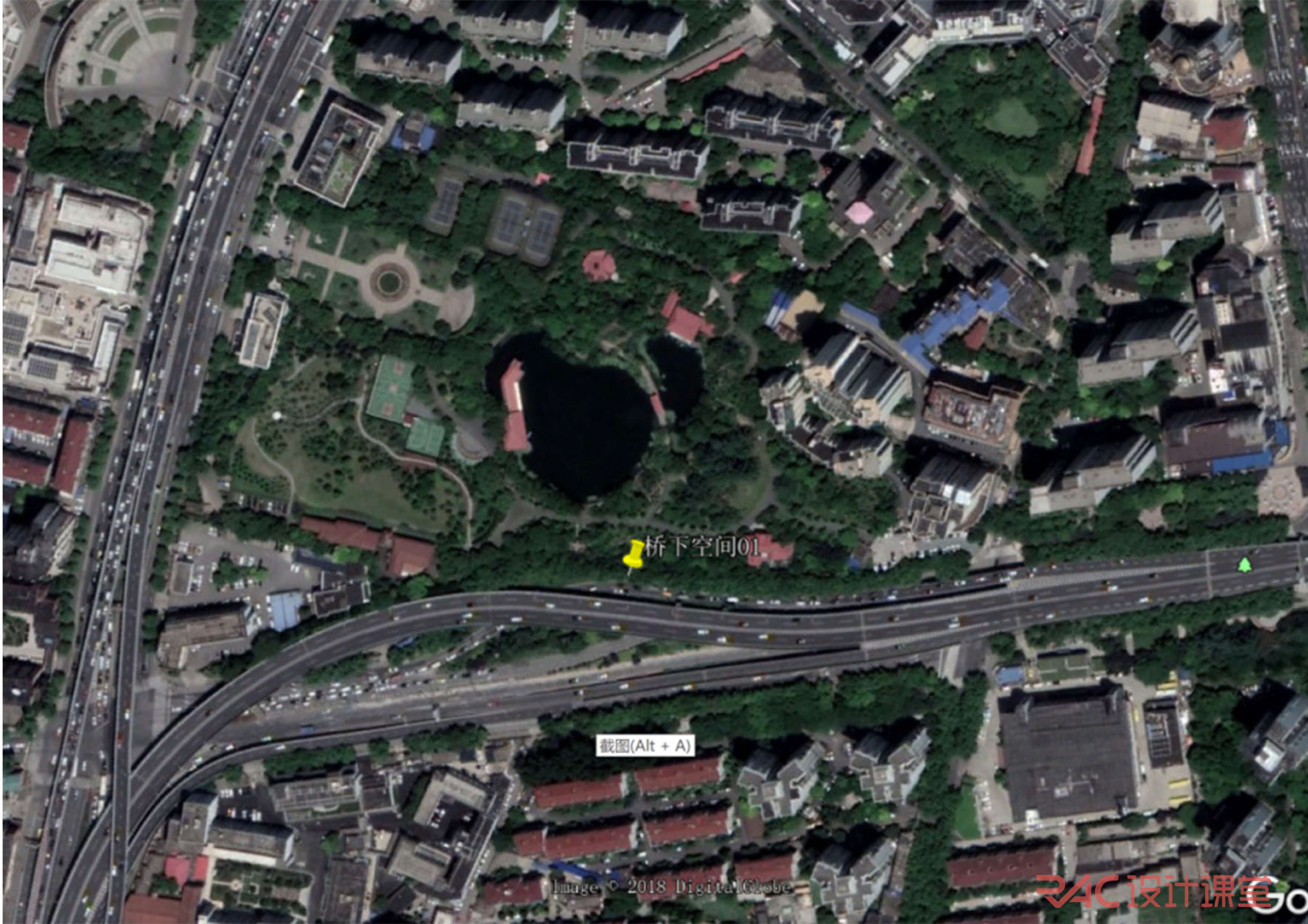
From Google Map
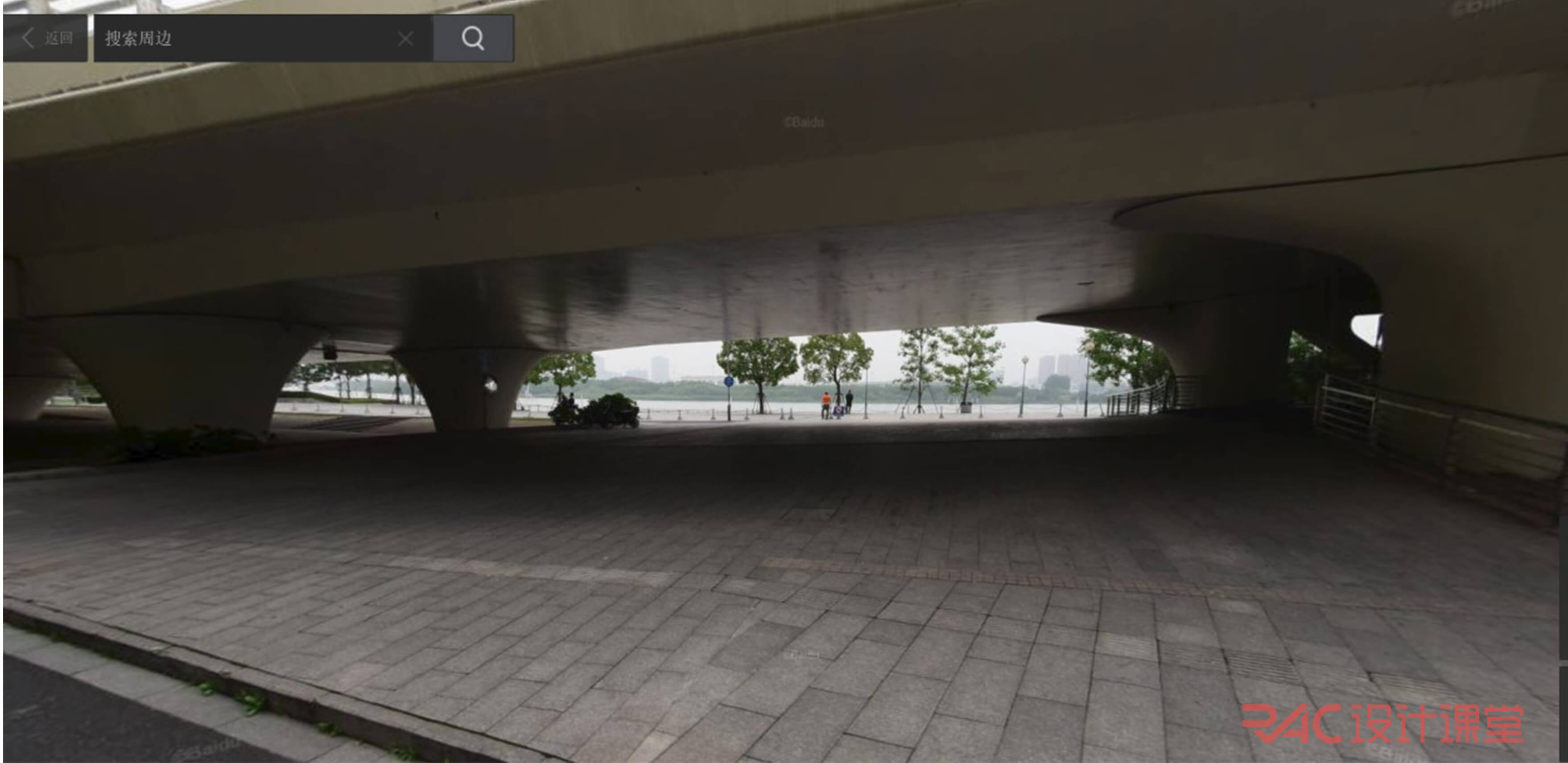
From Google Map
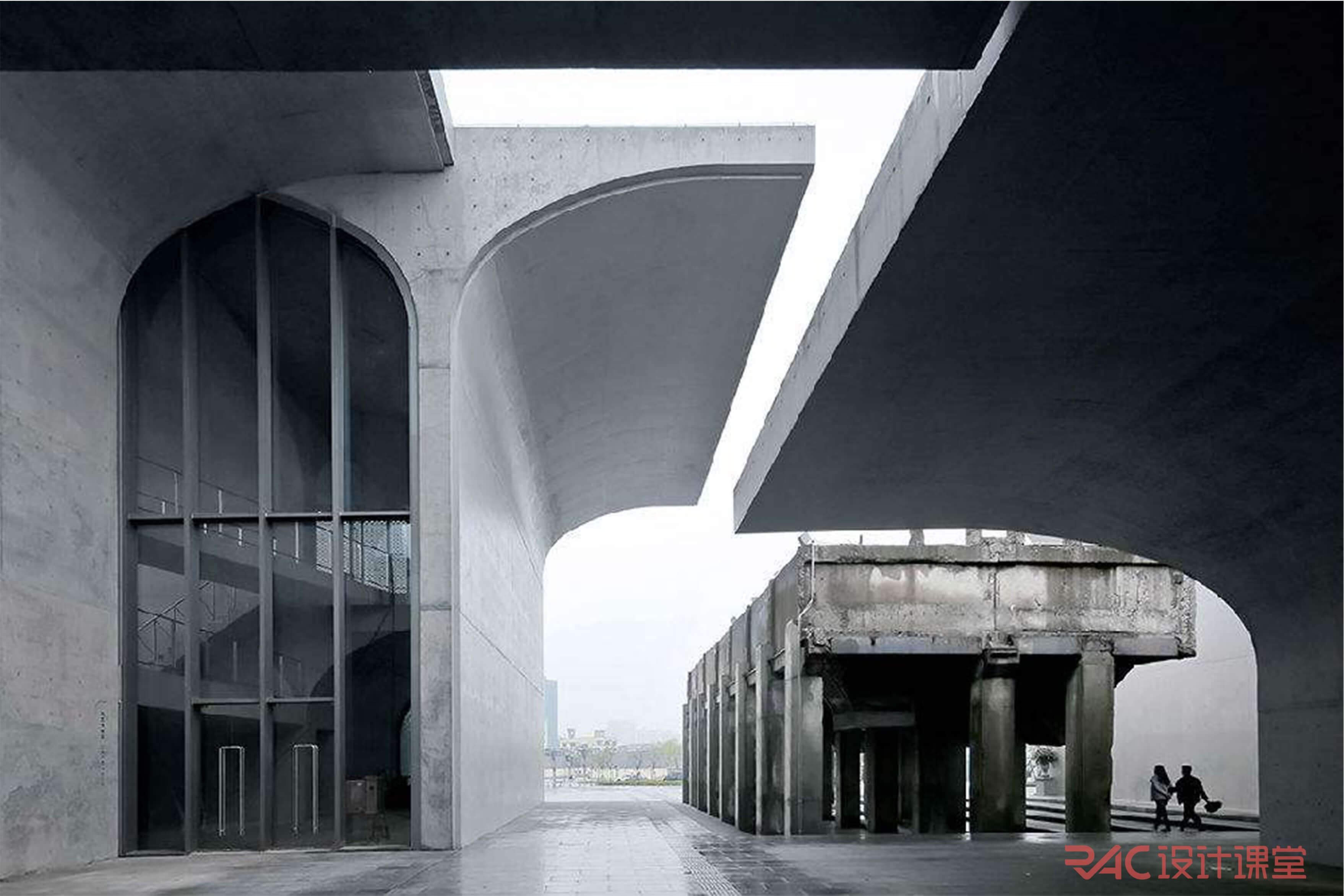
Long museum west bund atelier deshaus
课程方法与媒介:
This course involves a combination of lectures, workshops, case studies, and classroom exercises, covering a range of topics including: design thinking, system thinking, manufacturing operations, and prototyping. And trying to foster a design intelligence that engages quantitative and qualitative thinking, combining computational, visual, experimental, strategic, and aesthetic methods.
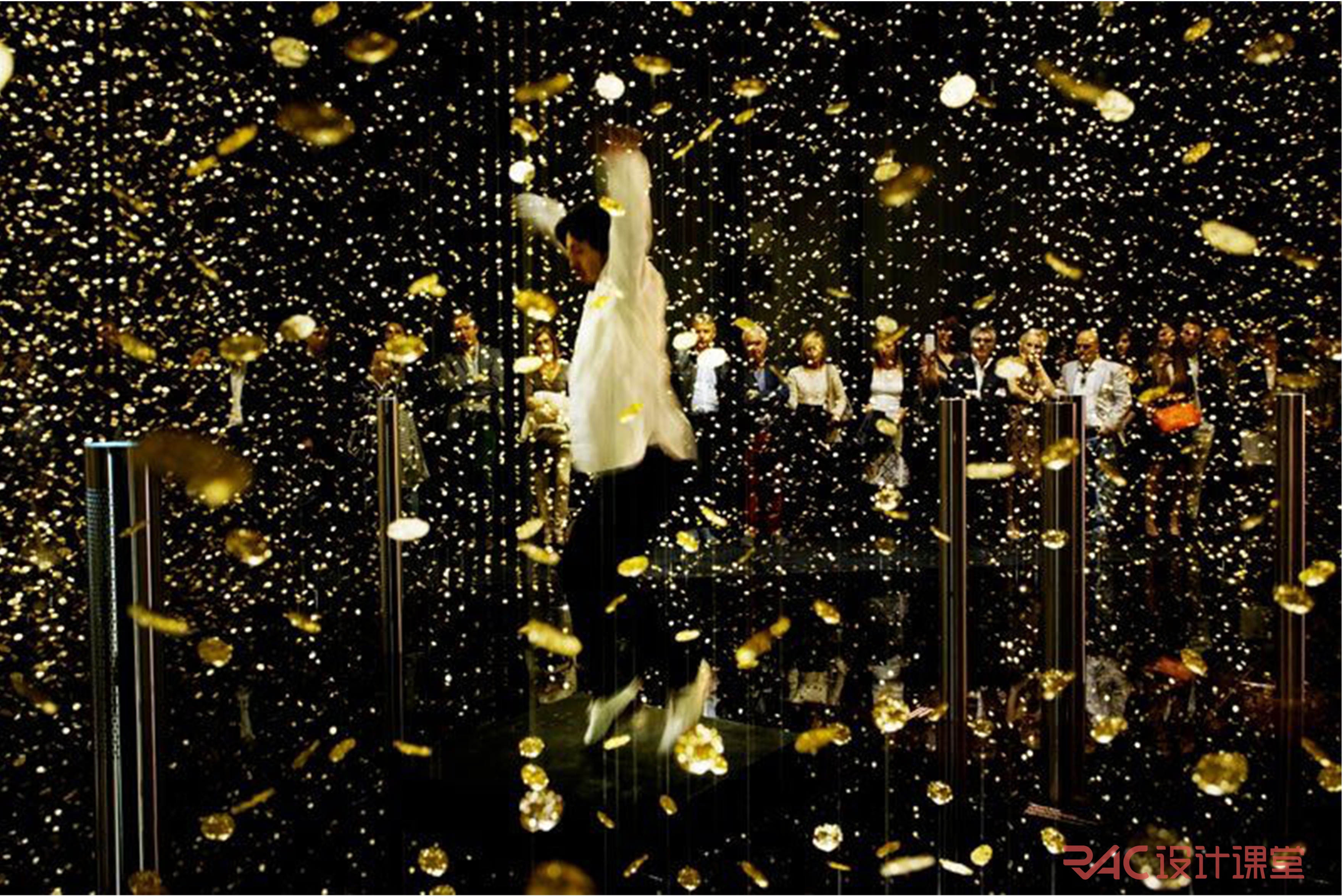
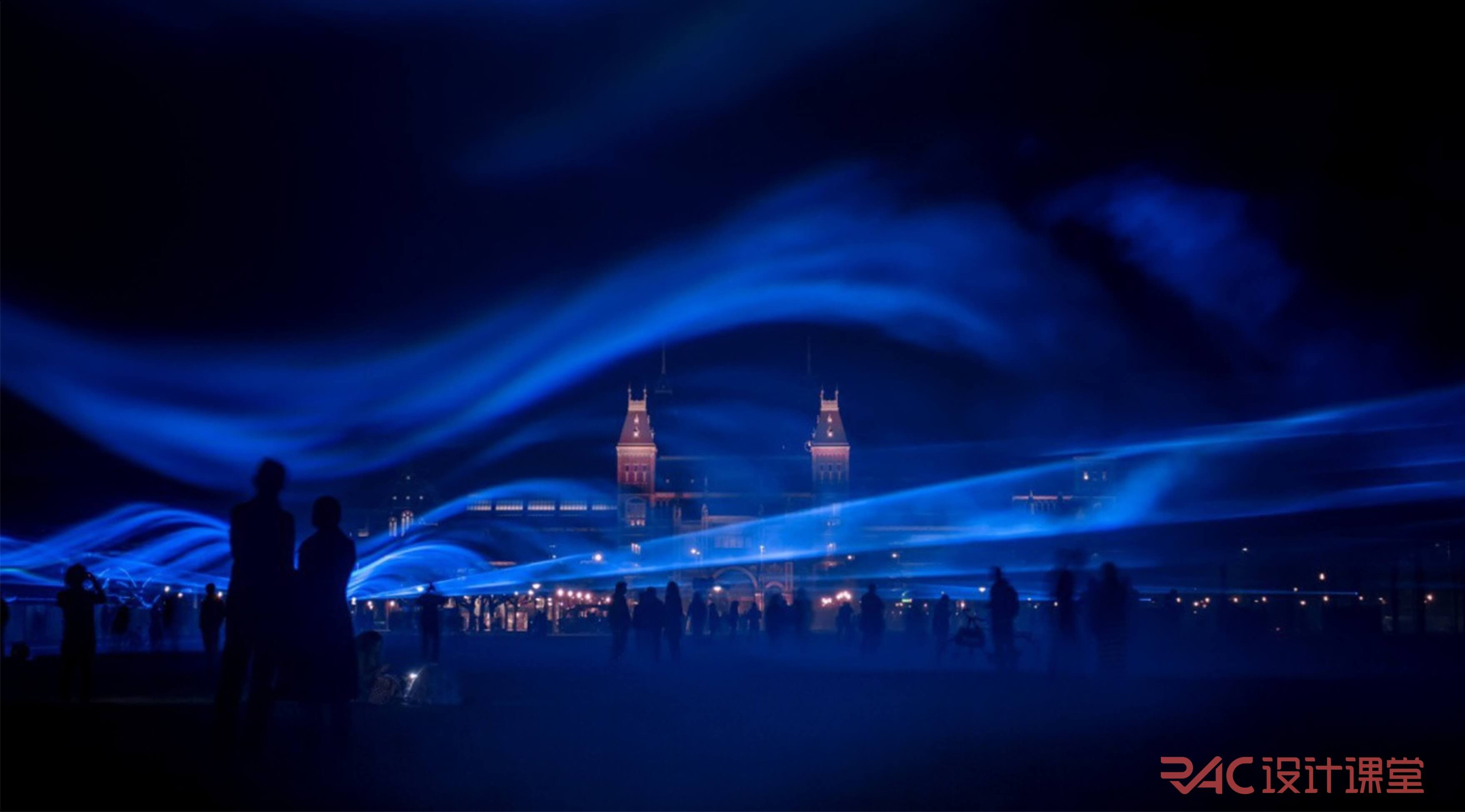
Light is time
课题成果:
The goal for the projects is to first push students generating interdisciplinary design engineering methods and design thinking for problem solving or intelligent sensory augmentation, and then prepare students for the transition from the academy to practice by developing and prototyping innovative solutions that can be tested and evaluated.
Studio推荐阅读:
1.Simon, H.: The Sciences of the Artificial. MIT Press (1969)Google Scholar
2.Alexander, C., et al.: A Pattern Language. Oxford University Press (1977)Google Scholar
3.Alexander, C.: A Timeless way of Building. Oxford University Press (1977)Google Scholar
4.Hillier, B.: The Social Logic of Space. Cambridge University Press (1984)Google Scholar
5.Ratti, C.: Space Syntax: some inconsistencies. Environment and Planning B: Planning and 6.Design 31, 487–499 (2004)CrossRefGoogle Scholar
7.Holland, J.: Adaptation in Natural and Artificial Systems. University of Michigan Press, Ann Arbor (1975)Google Scholar