
Part1
书籍介绍
《Basics Designing with Plants》
▎书籍简介
与混凝土或砖石不同,植物是一种生活建筑材料,在季节和岁月的过程中会发生变化。它们的增长和不同的外观是设计和规划时必须考虑的因素。
此外,植物也可用于创造不同的景观效果和空间。它们可以用作护套(绿色外墙,地面覆盖物 - 草坪)并产生各种高度的空间(树篱,灌木,树木)。
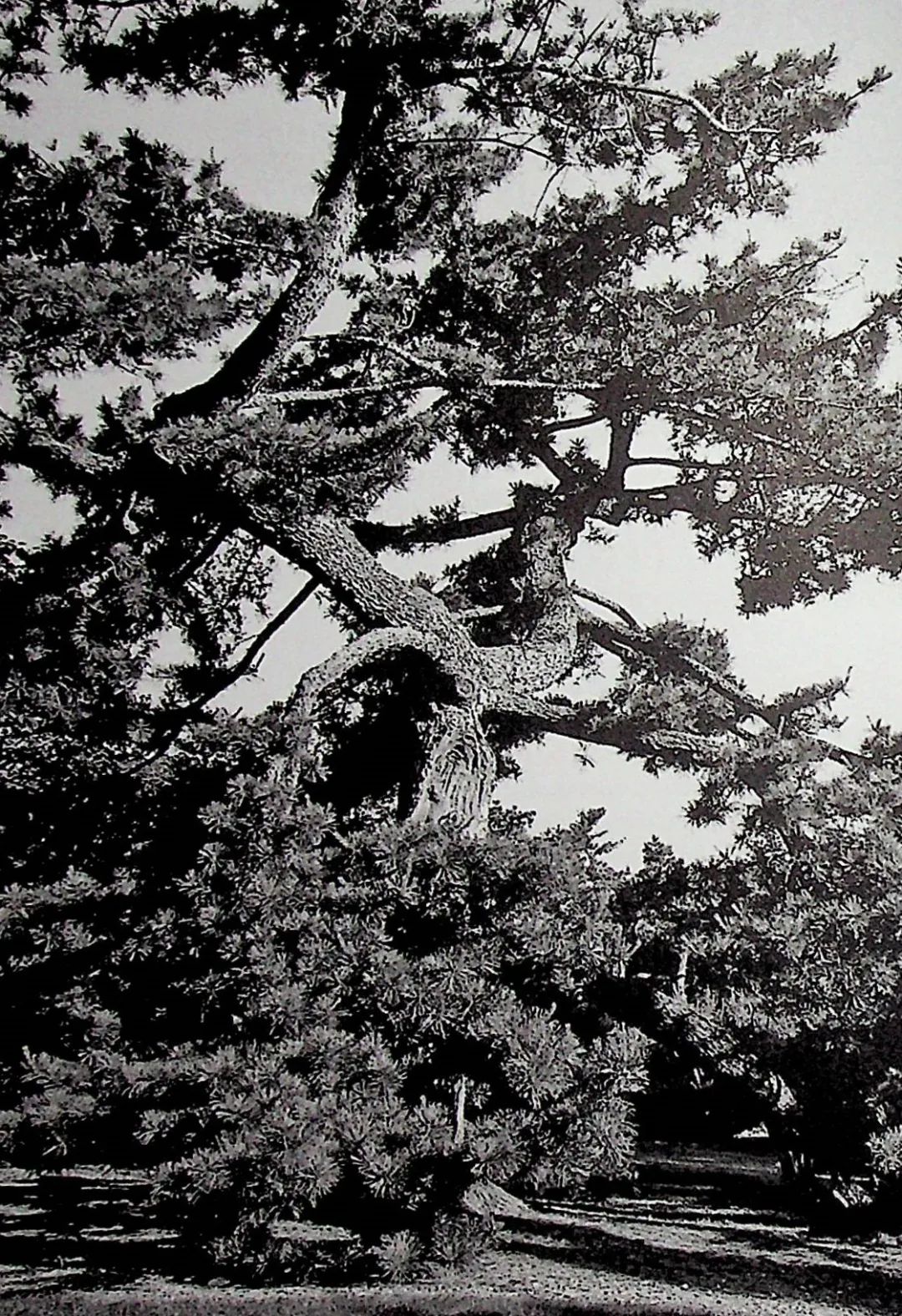

©《Basics Designing with Plants》
汉斯·乔治·沃勒(Hans-Jorg Wohrle)和雷吉娜·艾伦·沃勒斯(Regine Ellen Wohrles)都是柏林和希尔塔赫(w.pp-landschaften.de)的w + p Landschaften景观建筑事务所的两位景观设计师和总监。Hans-Jorg Wohrle还曾在Nurtingen-Geislingen的景观设计系的经济与环境高级学院任教多年。
Part2
内容概要
Space and plants-that is, the creation of space using plants in garden and landscape architecture- have always been of exceptional importance in the history of horticulture. However, good design is not exclusively a question of aesthetic feeling. In many ways it depends on the fulfillment of objective contextual requirements. Design using plants demands not only ability, but, to a particularly large degree, knowledge. This means using the plants in such a way that the laws of sensory perception effectively support the purpose behind the design and make it recognizable (the Greek word aesthesis refers to the science of sensory perception). This kind of knowledge is made all the more important by the fact that no open-space locality is so like another that prescriptive plans and template images of arrangements of plants can simply be copied. On the other hand, the generally applicable basic principles of design, space creation, order, contrast, balance and repetition can be applied to any site and give good results in plant design.
在园艺历史上,空间和植物-即在花园和景观建筑中使用植物创造空间-一直非常重要。但是,好的设计并不仅是美学感觉的问题。在许多方面,它取决于客观上下文要求的满足。使用植物进行设计不仅需要能力,而且特别需要知识。这意味着以某种方式使用植物,以使感官知觉定律有效地支持设计背后的目的并使其可识别(希腊语“美学”一词指的是感官知觉的科学)。由于没有开放空间的地方像另一个地方那样,可以简单地复制植物布置的规定性计划和模板图像,这一事实变得尤为重要。另一方面,设计,空间创建,顺序,对比度,平衡和重复的普遍适用的基本原理可以应用于任何场所,并在工厂设计中获得良好的效果。
The plant is a living raw material for shaping open spaces as an important opposing pole and foil to the increasingly technological conditions of our urban civilization. Due to their atmospheric qualities, trees, bushes and herbaceous plants offer a variety of possibilities for open space planning in the gray area between culture and nature. Design using plants embraces very diverse situations, from private houses to the imposing grounds of large buildings to the complex structures of a town’s green spaces, with public spaces, pedestrian areas, parks, planted roads into towns, recreational areas, cemeteries and allotments.
该植物是用于形成开放空间的活泼原料,是应对我们城市文明日趋技术条件的重要对立和阻碍。由于其大气的品质,树木,灌木丛和草本植物为文化与自然之间的灰色地带的开放空间规划提供了多种可能性。使用植物进行的设计涵盖了各种各样的情况,从私人住宅到气势宏伟的大型建筑,再到小镇绿地的复杂结构,包括公共场所,行人专用区,公园,通往城镇,休闲区,公墓和分配地的种植路。
Part3
推荐理由
◆ 各项的解说,介绍详细
这本书中的章节提供了一个逐步的介绍。所有重要的方面都被阐明——从栖息地条件和功能要求到比例和空间定义、肌理和色彩组成。插图和图示的例子阐明了论点。其目的不是提供通用的公式,而是对场地的细节、用途以及最重要的是,将创造的氛围的理解。但决定选择一个严格、正规建筑词汇,追求简约的方法涉及不同的植物品种少,创造丰富的空间层次结构或将不同的植物类型和他们的颜色和气味总是会采取通过自己的空间相互作用的诊断和你的直觉。
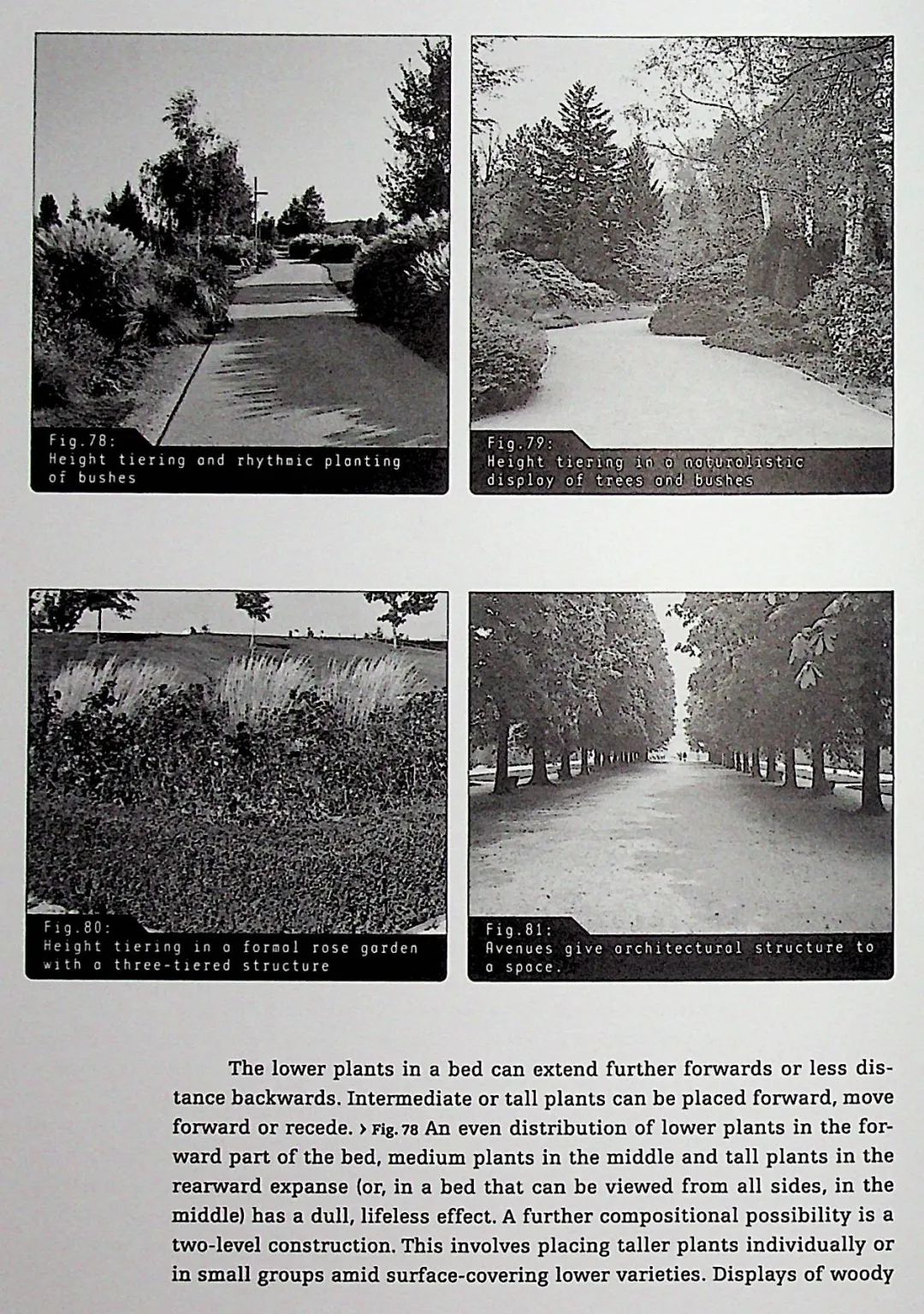
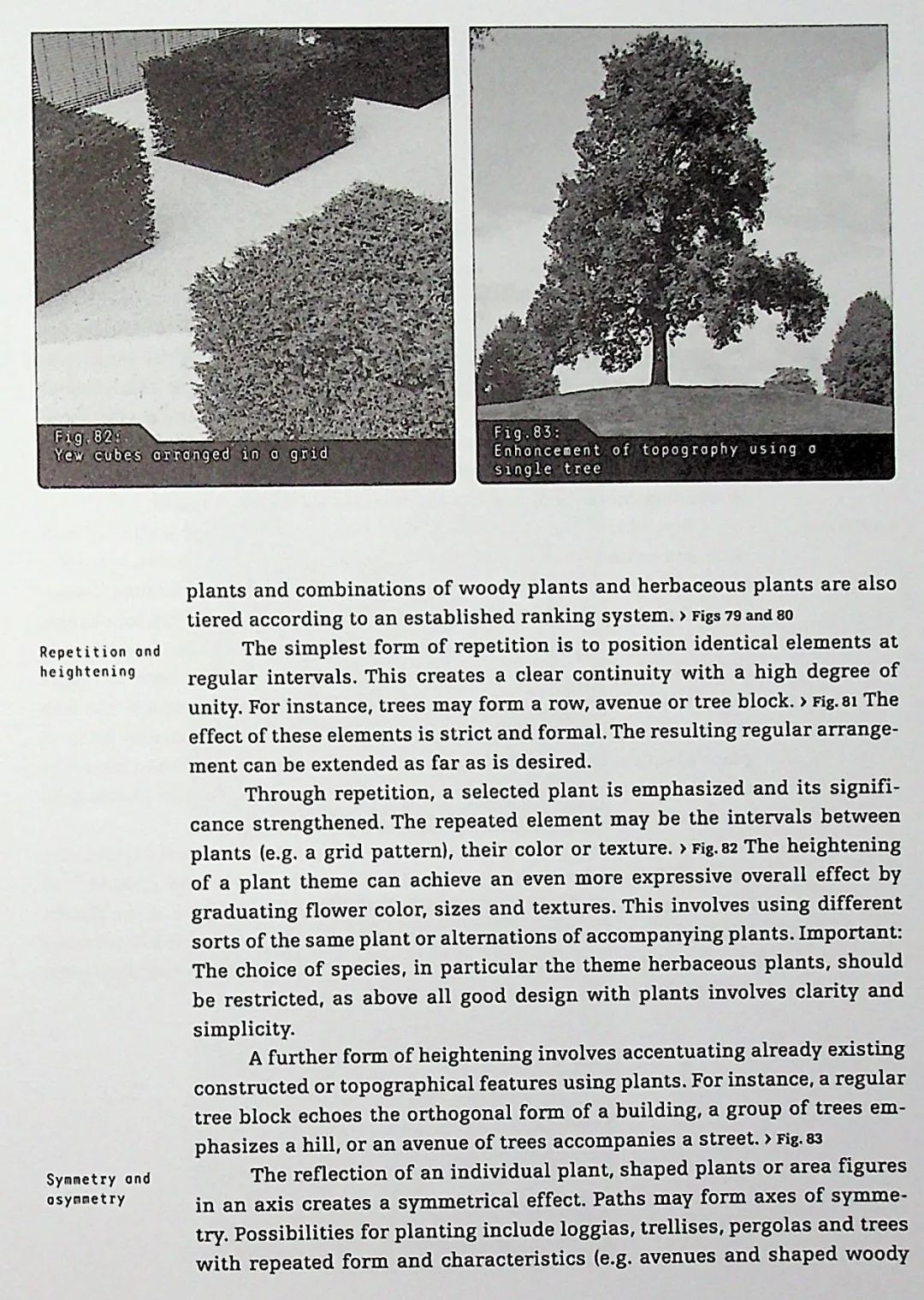
©《Basics Designing with Plants》
◆ 培养设计思维
本书《植物的基础设计》将培养人们在开放空间的规划中涉及植物的设计可能性,从而明确表明只有将植物整合到规划过程中,建筑和城市规划蓝图才能扩大到统一,高品质的概念。
◆ 网络评论
基础必读 而且用词和文笔都好朴实 读起来很顺 感人
——豆瓣书评