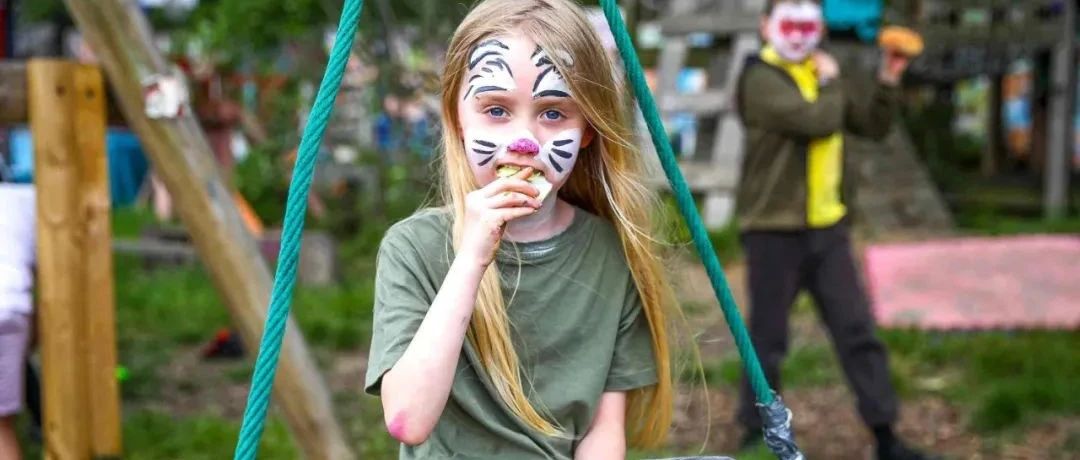
是如何影响营养健康和社会福祉的。”
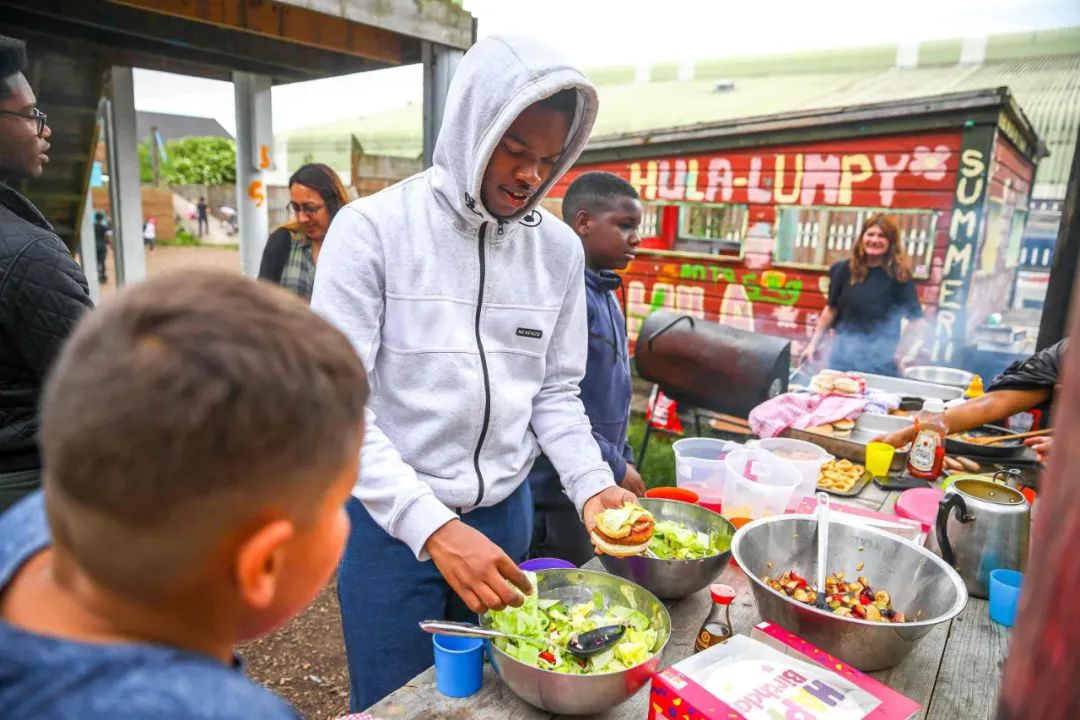
无法养活孩子的父母和需求与同龄人不同的年轻人都感受到了耻辱。而厨房社交(Kitchen Social)通过半活动半供应计划,提供健康膳食,促进儿童在假期中的社交发展。食品银行(Food Banks)作为向有需要的人分发食物的慈善机构,通常要求受援者“证明”他们收到食品援助是合理的。与之形成鲜明对比的是,厨房社交中心周围地区的任何年轻人都可以参加。这样做的结果是,参与者很少将假期供应视为耻辱的来源,尽管大多数人都知道,食物供应是他们在那里的一个重要原因,一个男孩干巴巴地评论道:
“不然你认为我为什么会来?”许多厨房社交中心的午餐都是每天从零开始烹制的,食物种类反映了参加活动的年轻人的多样性。从西印度饺子到素食馅饼,那些设备齐全的厨房中心里由年轻参与者们帮助准备食物。孩子们根据当天可用的食材来决定菜单的情况并不少见。对于伦敦南部兰贝斯区的一位10岁参与者来说,这样的变换是受欢迎的,他将其称为“真正的食物”。
“Why else do you think I’d come?” Lunches at many of Kitchen Social’ssites are cooked from scratch each day and the food reflects the diversity ofyoung people that attend. From West Indian dumplings to vegetarian patties,those hubs with well-equipped kitchens see that young participants help withpreparation. It’s not unusual for children to dictate the menu according to theingredients available that day. This was a welcome change for one 10 year oldattendee in Lambeth, south London, who described it as “food food”.
“很高兴知道有一个空间
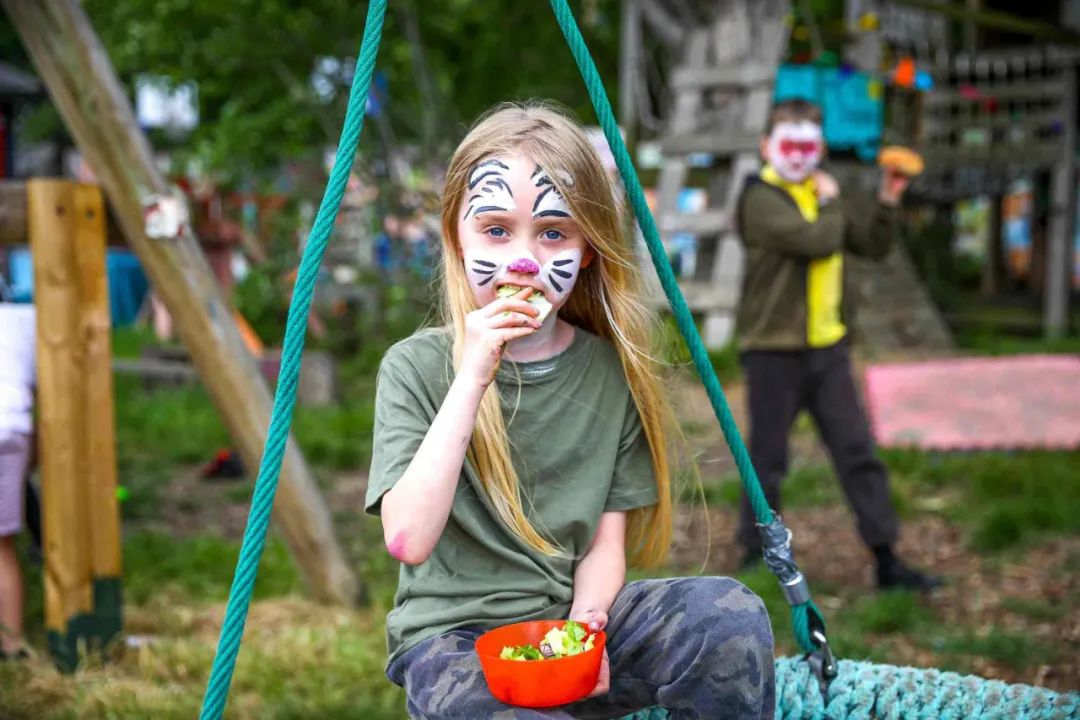
菜单设计只是年轻人通过假期供应来表达自己的声音的一个例子。一位在伦敦东部哈克尼区的中心的少年认识到,这促使了该机构沉浸在解决年轻人假期饥饿的困境中,他说:“很高兴知道有一个空间可以让你对事情的进展发表意见,可能是午餐菜单,也可能是发挥创意。”一些孩子直言不讳地支持以健康为导向的方法,即在所有中心的膳食中都包含水果和蔬菜,其中一个说:
Menu design is just one instance of young people makingtheir voice heard through holiday provision. One teen, speaking at a hub inHackney, east London, recognised that this fosters an agency lost in youngpeople’s restrictive experiences of holiday hunger, saying: “It’s nice to knowthere’s a space where you can have a say in how things go, that could be thelunch menu or it could mean being creative.” Some children were vocal in theirbacking of a health-oriented approach that sees fruit and vegetables includedin meals across all hubs, with one saying:
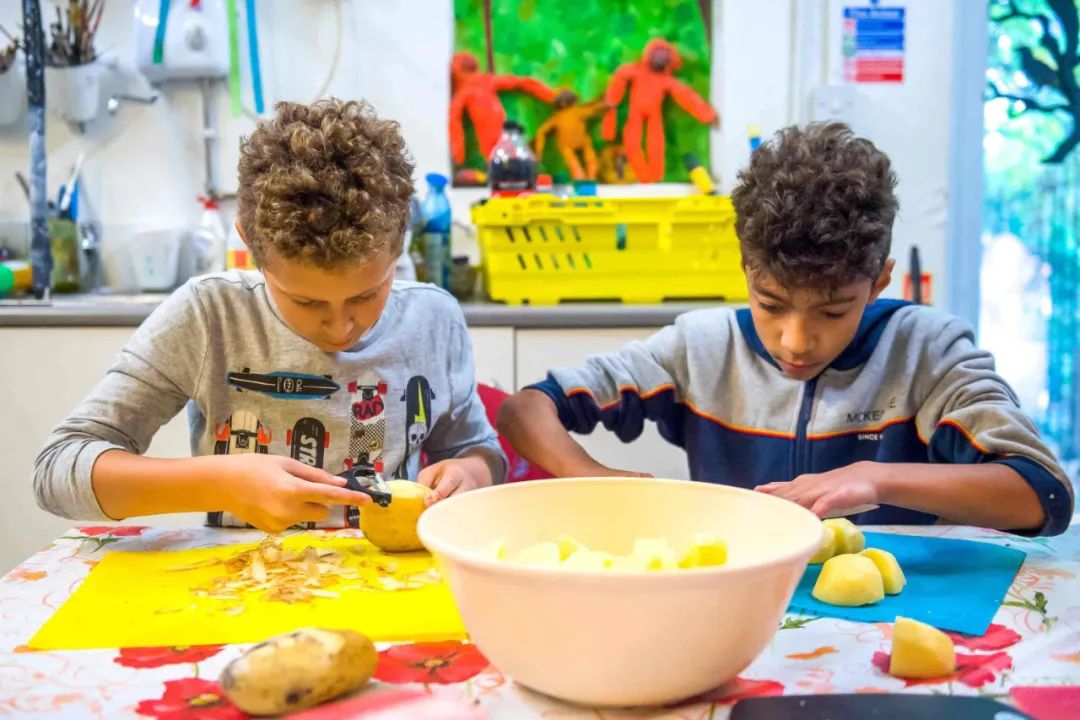
MAKING SHEPHERD’S PIE AT A.P.P.L.E. AT THE ART BLOCK INACTON PARK, LONDON, UK.
当被问及他们在中心想要更多什么时,年轻人一致表示:“活动”。与会者兴高采烈地谈论每个中心的课外活动,大多数人认为这是他们去的主要原因。一个男孩澄清说,食物只是“很好,因为它在那里”,但这些中心在让孩子们实现总体社会目标方面发挥着更广泛的作用。
When asked what they’d want more of at the hubs, the youngpeople were unanimous in their declaration: “Activities.” Attendees talkedeffervescently of the extra-curricular offerings at each hub, with mostsuggesting it was their main reason for going. Food was simply “good ‘cos it’sthere, you know”, one boy clarified, but the hubs serve a wider function inallowing children to realise overarching social goals.
This sentiment was most evident in a conversation with a 14year old at the Islington hub, who made his feelings clear on what holidayprovision meant for him, saying: “You can just be yourself and, you know, eatchicken.” The chicken remark was a tongue-in-cheek reference to an earlierconversation over lunch. He felt that across London, young black children wereunfairly depicted as problem-children loitering at takeaways and chicken shops.
Holiday provision, he felt, offered a space, within theconfines of the city, where he could enjoy his holidays without the experienceof discrimination that he is subjected to as a young black male. In this vein,food at Kitchen Social is a conduit for young people to enjoy a level of socialwellbeing they would otherwise be deprived outside school.
*本文是《深思熟虑(Food For Thought)》的摘录。
全文链接:
https://wheretheleavesfall.com/explore/article-index/food-for-thought/
官网链接:
翻译:张喆茗