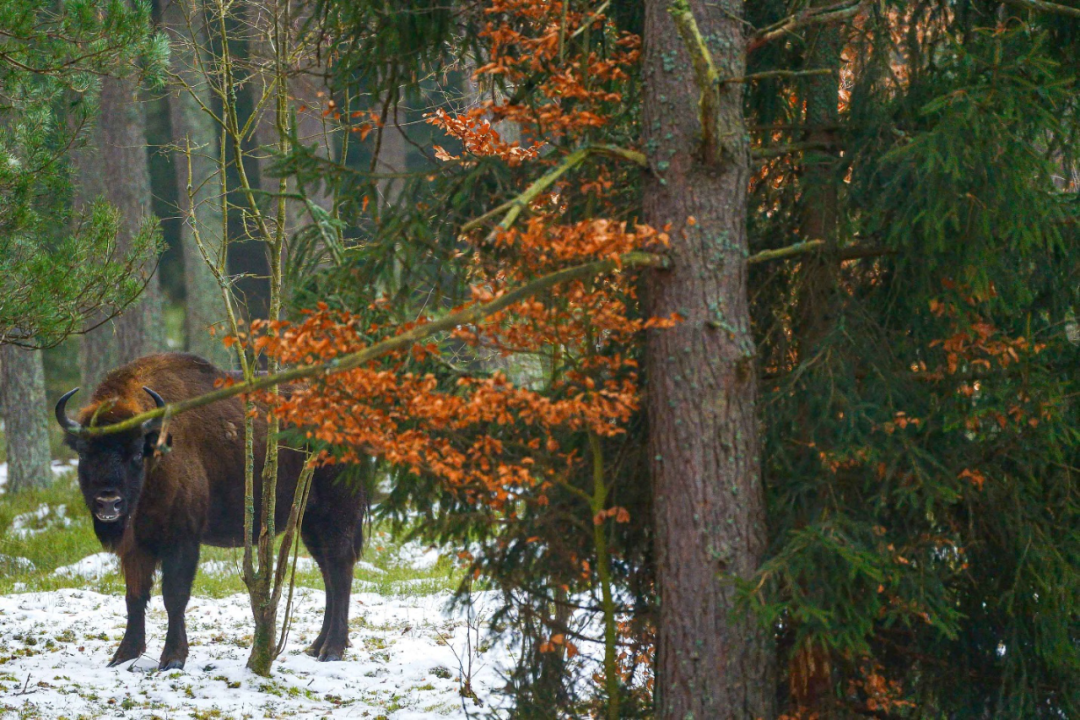
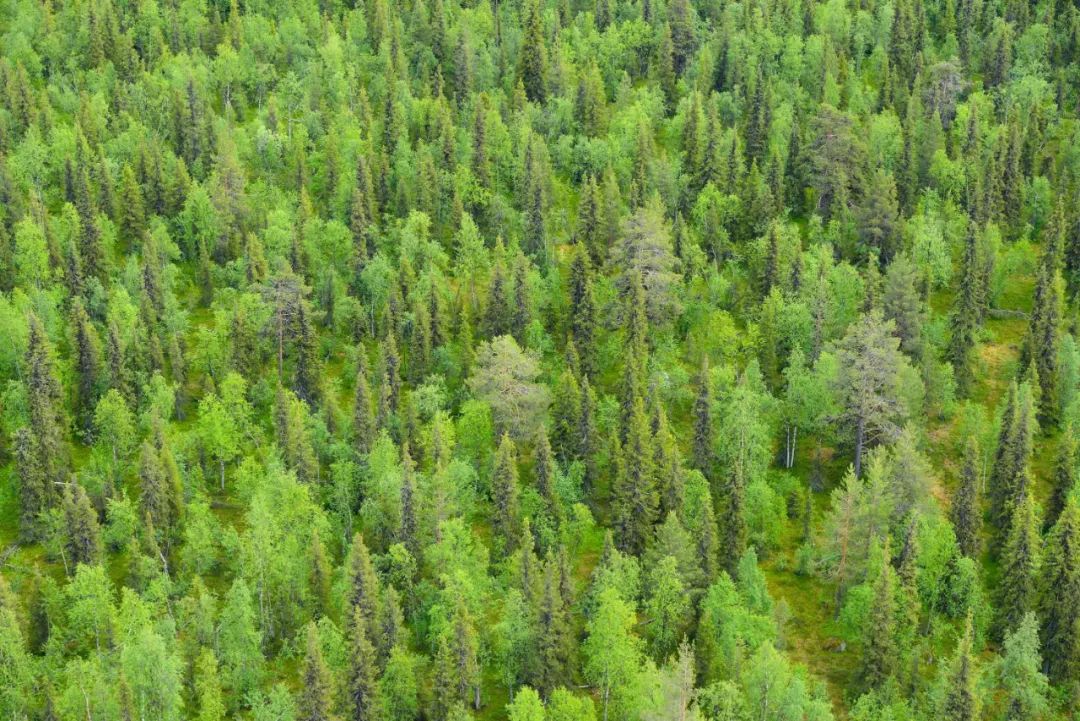
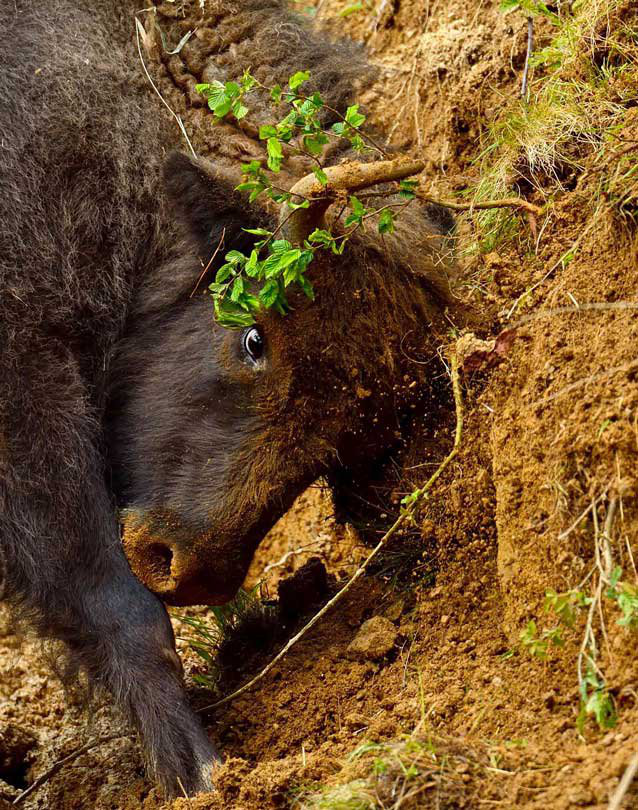
“如果我们想帮助大自然自我恢复,就需要开始通过我们的生态系统来审视我们的边境。”"If we want to help nature to restore itself, we need to start looking at our borders through the eyes of our ecosystems." 今天,我们将继续为大家带来一个景观Research——The Wild Inside Us (我们内心的荒野)。感兴趣的同学一定要往下看哦~ PART 1A Story 我们先来听一个故事:一个没有开始也没有结束的故事,一个没有边境的故事。 在北方——那个寒冷而遥远的地方,也许不是那么遥远,但确实很冷——有一棵树。当我说一棵树时,我并不是指具有一组基因和一个身份的特定橡树或松树或山毛榉。我的意思是——一棵树,也就是集合。让我解释一下,如果需要解释:一棵树是任意数量的东西。 事实上,这棵特殊的树并不特别,但它是一棵松树(或者可能是一棵冷杉),因为我们谈论的是北方,那里的雪厚厚地覆盖在锥形倾斜的树枝上。你有没有注意到松树的轮廓与落叶树完全不同——就像一把卷起的雨伞而不是一把张开的雨伞?冬天,在深深的积雪下,它们在星光的黑暗中形成怪异的形状。我想象它们吱吱作响,就像你走在两天前的降雪上,经过了一夜之间的稍微解冻和重新冻结。Let me tell you a story. A story without a beginning or an end. A story without borders.In the north – that cold, distant place, which is perhaps not so very distant but still very cold when you get there – there is a tree. And when I say a tree, I don’t mean a specific oak or pine or beech with one set of genes and one identity. I mean what I say – a tree. That is, an assemblage. Let me explain, if an explanation is needed. A tree is any number of things.This particular tree is not particular, in fact, but it is a pine (or maybe a fir), because we are talking about the north, where the snow lays thick on tapered, sloping branches. Have you ever noticed that a pine has a completely different silhouette from a deciduous tree – like a furled umbrella rather than an open one? In the winter, under the deep drifts, they make eerie shapes in the starlit darkness, and I imagine that they creak and squeak, like when you walk on a two-day-old snowfall that has slightly thawed and refrozen overnight. 就像我说的,它是一棵松树,它所有的同伴要么是松树,要么是冷杉。它们都是树木,这意味着它们是各种其他物种的宿主,即使在这个非常寒冷的地方也是如此:啮齿动物、昆虫、地衣、较小的植物。然后是真菌网络,它把自己连接到每棵树的根部,创造出一个联合的、共生的超级有机体。这些树木可以一起分享信息、互相喂食、发出警告、抵御疾病。我们可以称这种超有机体为森林。我不确定它自称什么。 森林在北极周围延伸,在海洋的预期中形成一个完整的环。它跟随北极光的微光轨迹,或者可能是相反的方式。在故事的这一点上,我想分享一些事实:针叶林遍布加拿大、阿拉斯加、瑞典、挪威、芬兰、俄罗斯、哈萨克斯坦、蒙古和日本。针叶林占世界森林覆盖面积的29%。树木对此一无所知。 还有一些事实。只有12%的针叶林获得了保护。加拿大拥有欧洲移民开始时存在的91%的森林覆盖率。斯堪的纳维亚半岛仅剩下5%的定居前针叶林覆盖率。树木对此有所了解。当他们的邻居被砍伐时,他们会感觉到。斯堪的纳维亚的树木是否还在为失去的同伴而悲伤?树有很长的记忆——比人类还长。It is a pine, like I say, and all its fellows are either pines or firs. They are all trees, meaning they are hosts to a whole variety of other species, even in this very cold place: rodents, insects, lichens, smaller plants. Then there is the fungal network that joins itself to the roots of every tree, creating a conjoined, symbiotic superorganism. Together, the trees can share information, feed each other, send warnings, fight off disease. We might call this superorganism a forest. I am not sure what it calls itself.The forest stretches out around the north pole, in a ring unbroken expect by the oceans. It follows the glimmering trail of the aurora borealis, or possibly it is the other way around. At this point in the story, I might share some facts. The boreal forest spreads across Canada, Alaska, Sweden, Norway, Finland, Russia, Kazakhstan, Mongolia and Japan. The boreal forest represents 29% of the world’s forest cover. The trees know nothing of this.Some more facts. Only 12% of the boreal forest has been given protected status. Canada has 91% of the forest cover that existed at the beginning of European settlement. Just 5% of the pre-settlement boreal forest cover in Scandanavia remains. The trees know something about this. They feel it when their neighbours are cut down. Are the trees in Scandinavia still grieving for their lost companions? Trees have long memories. Longer than humans. PART 2当出现国界后...... “动物和植物不知道一个国家在哪里结束,
另一个国家从哪里开始。
这是显而易见的,但也值得花点时间记住它。”"Animals and plants don’t understand where one country ends and another begins. This is obvious, but it is also worth taking a moment to remember it.." 我为什么要告诉你这个故事?是为了提醒您,我们的国界是一个相对较新的现象。也是为了提醒您,动物和植物不知道一个国家在哪里结束,而另一个国家又是从哪里开始。这是显而易见的,但也值得花点时间记住它。 民族国家作为一种身份认同模式,可以说是在19世纪才真正出现——与许多其他仍决定着我们与自然的关系的现象一起。在英国,就像在欧洲的许多其他地方一样,在一个高度城市化和大众教育的时期,恰逢技术的引入,这些技术悄悄地把我们从与动物和植物的日常互动中拉了出来:用火车、公共汽车和汽车;农业工业化和整合;越来越依赖化石燃料而不是木材或蜡来取暖和采光。 另一件值得记住的事情:就在150年前(森林生命中的一眨眼),自然界似乎如此丰富和充满生机,以至于我们似乎不可能在它的丰满上留下痕迹。Why am I telling you this story? To remind you that our national borders are a relatively recent phenomenon. To remind you that animals and plants don’t understand where one country ends and another begins. This is obvious, but it is also worth taking a moment to remember it.The nation state as a mode of identity arguably only really emerged in the 19th century–along with many other phenomena that still determine our relationship with nature. In Britain, as in many other places in Europe, a period of intense urbanisation and mass education coincided with the introduction of technologies that quietly drew us away from essential everyday interactions with animals and plants: the replacement of horse drawn vehicles with trains, buses and cars; the industrialisation and consolidation of agriculture; the increased reliance on fossil fuels rather than wood or wax for warmth and light.The 19th century also saw the advent of mass urban sanitation, sewer systems, and medical disinfectant, separating humans from their waste and eliminating microbes on the human body. It was the era of pets (as non-utilitarian animals) gaining legal recognition as human property. The era of the enclosure of common land, the creation of public parks and the notion of nature-as-recreation: botanical gardens, tropical hot-houses, zoos. The era of Darwin: a sea-change.Another thing worth remembering: as little as 150 years ago (a blink of an eye in the life of a forest), the natural world seemed so rich and replete with life that it seemed impossible we could ever make a dent in its fullness.“有时我们筑起围墙和栅栏,
或将河流改道成一条巨大的河道,
目的是将人类与人类分开,但在此过程中也切断了非人类的存在。”"Sometimes we put up walls and fences, or diverted rivers into a single enormous watercourse, intending to separate humans from humans, but cutting off beings who were not humans in the process." 当我们建立了基于国家而非地方的共同认同感时,我们开始根据我们为自己绘制的边界线来划分自然。这通常是偶然的。随着我们建立了标准化的国家法律体系,州界两侧的植物和动物都有不同的法律。树木、哺乳动物、昆虫和真菌发现它们可能会误入不受欢迎的地方——即使它们待在它们一直都知道的栖息地:山脉、大平原、或森林。有时我们筑起围墙和栅栏,或将河流改道成一条巨大的河道,目的是将人类与人类分开,但在此过程中也切断了非人类的存在。 从那时起,全球化、廉价航空旅行和互联网的出现使世界上最遥远的地方变得触手可及。北半球的居民可以在隆冬吃草莓,品尝从塞内加尔、智利、秘鲁或印度尼西亚跨海或空运而来的热带水果。克服了空间和时间的挑战,非常便捷。真的,很容易使你忘记早上一杯咖啡背后的金钱、石油、食物和火的国际跨境机制。遗忘不需要太多努力,它只需要你的整个存在。 你可能会想,当你啜饮咖啡、倒上橙汁、切开牛油果时,我们的前辈建立和争夺的界限已经开始消失。然而,关于倾覆的船或大喊大叫的政客的新闻图像会提醒你他们还在那里。有时感觉我们似乎比以往任何时候都更加执着于加强这些界限。As we established a sense of common identity based on nationhood rather than locality, we began to divide nature according to the boundary lines we had drawn for ourselves. This was usually accidental. As we established standarised national legal systems, there were different laws for plants and animals on either side of state lines. Trees and mammals and insects and fungi found they could stray into a place where they were unwelcome, even when they stayed within the habitats they had always known; a mountain range or a great plain or a forest. Sometimes we put up walls and fences, or diverted rivers into a single enormous watercourse, intending to separate humans from humans, but cutting off beings who were not humans in the process.Since then, the advent of globalisation, cheap air travel and the internet have made the furthest reaches of the world feel accessible. Inhabitants of the northern hemisphere can eat strawberries in midwinter, taste tropical fruits shipped across the seas or the skies from Senegal, Chile, Peru, or Indonesia. Challenges of space and time have been overcome, and it is very convenient. It’s quite easy, really, to forget about the international cross-border mechanism of money and oil and food and fire behind your morning cup of coffee. It doesn’t take much effort to forget, it only requires your whole being.You might think, as you sip your coffee and pour your orange juice and cut open your avocado, that the boundaries set up and fought over by our predecessors have started to melt away. Then an image on the news of a capsized boat or a shouting politician reminds you they are still there. Sometimes it feels like we are reinforcing those boundaries with more passion than ever. 那就再举一个例子,告诉你另一个故事。九月,一头野牛*在林地中漫游。此时,野牛是一个不寻常的景象。当人们沙沙作响地聚集在灌木丛中注视着他时,他偶尔会被相机镜头的闪光所打扰。“他是不是美得令人印象深刻?”他们对彼此感叹。他们的窃窃私语就像野牛身边嗡嗡作响的苍蝇。他有一层厚厚的皮。 在这一天,没有人类观看他。也许这天是法定假日,也许正在下雨,也许电视上正在播放流行的足球比赛。野牛心满意足地穿过树林,吃草,跟着他的鼻子前进。他独自行走。他通常和一群雄性一起旅行,但这里的野牛很少,几天前他在树林间与他们失散了。最近团体中发生了一些棘手的争吵,他不确定这是否对他有利,所以他并不介意离开。他又大又壮,正如我已经提到的,他的皮很厚。 他来到一条宽阔的河边——整个三角洲最大的河流。他涉水而过,感觉到水在他强壮的肌肉和他稳健的步伐上的快速推动。他找到了一片干净、新鲜的草地,被附近的许多溪流养得丰美。他在那里停留下来,第二天早上也在那儿徘徊。Let me give you another example. Let me tell you another story.One September, a bison was roaming through a woodland. At this time, bison were an unusual sight, and he was sometimes disturbed by the glint of a camera lens as humans rustled and gathered in the undergrowth to watch him. “Isn’t he magnificent?” They asked each other. Their whispering was like the sound of a buzzing fly to the bison. He had a thick hide.On this particular day, there were no humans watching. Perhaps it was a national holiday, or it was raining, or there was a popular football game on television. The bison moved contentedly through the trees, grazing and following his nose, which was in front of him. He was alone. He usually travelled with a group of other males, but there were so few of them here that he had lost them some days ago among the trees. There had been some difficult social tussling among the group recently and he wasn’t sure it was to his benefit, so he didn’t mind. He was big and strong and, as I already mentioned, he had a thick hide.He came to a wide river – the largest in the whole delta. He waded across, feeling the swift push of the water against his strong muscles and his steady stride. He found an area of clean, fresh grass, made plump by the many streams that ran nearby. He grazed there for the rest of the day, and wandered on the following morning. 在这里我可以和大家分享一下:野牛刚刚越过的奥得河(the Oder River)被指定为波兰和德国的边界。你在水中或岩石中看不到它,但你可以在地图上看到它:一条红线沿着蓝色的中间延伸。过了一会儿,野牛发现自己到了一个陌生的地方。有柏油路、标志、电线和红绿灯。有人拿着镜头在阳光下闪闪发光,但他们没有说:“他是不是美得令人印象深刻?”他们很害怕,其中一人停止用手机拍照,然后报了警。 两名猎人被派出,他们兴高采烈地拿起步枪,因为他们有机会杀死新的东西——毕竟,这是250年来第一头站在德国土地上的野牛。又或许他们并不感到快乐。或许他们为野牛感到难过。或许他们什么都感觉不到。 之后,报纸大肆宣传。波兰人对他们温柔的野牛被枪杀感到愤怒。德国人对他们在不知情的情况下与一群危险的动物如此接近而感到愤怒。纽约、伦敦、柏林和东京的人们对当地人对野牛的反应感到愤怒,他们在电脑和手机上写下了这件事。世界野生动物基金会(The World Wildlife Fund)*对打电话给猎人的官员提起诉讼。不知何故,每个人都看不到野牛了。I might share something with you here: the Oder River, which the bison had just crossed, is designated as the border between Poland and Germany. You can’t see it in the water or the rocks, but you can see it on a map, a red line running down the middle of the blue.After a while, the bison found himself in a strange place. There were tarmac roads and signs and wires and traffic lights. And there were people with camera lenses that glinted in the sunshine, but they didn’t say: “Isn’t he magnificent?” They were scared, and one of them stopped taking pictures with their phone and called the police instead.Two hunters were dispatched, and they snatched up their rifles with glee because they had the opportunity to kill something new – after all, this was the first wild bison to stand on German soil in 250 years. Or perhaps they didn’t feel happy. Perhaps they felt sad for the bison. Perhaps they felt nothing at all.The newspapers made a fuss afterwards. People from Poland were angry that their gentle bison had been shot. People from Germany were angry that they had been living so close to a herd of dangerous animals without their knowledge. People who lived in New York and London and Berlin and Tokyo were angry about the locals’ responses to the bison, and they wrote about it on their computers and on their phones. The World Wildlife Fund filed a lawsuit against the official who called the hunters. Somehow, everybody lost sight of the bison. 你可以说这是一个真实故事,尽管其中一些是想象出来的。野牛是被释放到奥得河三角洲的一群野牛的一部分,作为欧洲野化组织(Rewilding Europe)协调的大规模野化项目的一部分。该地区包含重要的生态组合,包括森林、沼泽、海滩、草地、荒地、芦苇床和公海,为种类繁多的物种提供相互关联的栖息地。欧洲野化组织是少数几个关注大自然无视人类政治边界的组织之一。在波兰和德国的边缘工作,团队致力于重新引入和促进该地区的本地物种,包括狼、白尾鹰(其中在欧盟的种群密度最高)、麋鹿、海狸和野牛。他们的目标是通过自然的自我调节和平衡帮助河流三角洲恢复其以前的丰富性和生物多样性。 然而,他们——以及他们旨在支持的野生动物——经常发现自己受到国家和国际法律体系的违规和歧视性做法的影响。我故事中的野牛是在他越过州界线后被枪杀的,因为他离城镇太近了。如果他死在荒野草原上的畜群社会系统中,他的身体可能会腐烂,被食腐动物、昆虫、细菌甚至真菌吞噬(你知道平菇是肉食性的吗?)。来自他尸体的剩余营养本来可以给土壤施肥,被树根吸收。This is what you might call a true story, even though some of it is imagined.The bison was part of a herd that was released into the Oder Delta as part of a large-scale rewilding project coordinated by Rewilding Europe. The area contains an important ecological mix, featuring forest, bog, beach, grassland, heath, reed bed and open sea, and providing interconnected habitats for a huge variety of species. Rewilding Europe is one of a handful of organisations that re mindful of nature’s disregard for human political borders. Working across the edges of Poland and Germany, teams have worked to reintroduce and boost native species in the area, including wolves, white-tailed eagles (of which there is the highest-density population in the European Union), elk, beavers and bison. Their aim is to help the river delta restore its former richness and biodiversity through self-regulation and balance.And yet they – and the wildlife they aim to support – often find themselves subject to the irregularities and discriminatory practices of national and international legal systems. The bison of my story was shot after he crossed state lines because he strayed too close to a town. If he had died within the social system of his herd on the rewilded grasslands, his body might have been left to decay, consumed by scavengers, insects, bacteria and even fungi (did you know that oyster mushrooms are carnivorous?) The remaining nutrients from his corpse would have fertilised the soil, been drawn up through the roots of trees. PART 3重新“野化”我们 你以为我的故事讲完了?让我告诉你更多。让我们不要忽视野牛。野牛的尸体被射杀他的人带走并进行了检查。我不知道他们在找什么,也不知道他们在哪里有一块足够大的太平间供他使用,但我想那是有失尊严的。之后,他们处理了他的遗体,以便在德国博物馆展出。他们买了一个由塑料和金属制成的野牛模型,并决定如何摆出他的姿势——他是在冲锋,还是在吃草,还是若有所思地凝视着过去?毕竟,他和他的同类在德国已经灭绝了。他们剥下皮毛,小心翼翼地从脂肪和肌肉上切下,并对其进行处理,使其不再有异味。他们在制造塑料眼睛和鼻子的同时把皮毛挂起来晾晒,然后决定是否展示牙齿。它还挂在那里。没有人对此感到愤怒。 我将返回奥得河三角洲(the Oder Delta),假设我们的野牛做出了一个更幸运的选择。让我分享更多事实:野化地区延伸超过250,000公顷。正如我们所见,它横跨波兰和德国的边界。德国比波兰富裕。该地区正在成为一个突出的自然旅游目的地。每个国家的法律都不一样。例如,在英国,当一只野生动物死在你的土地上时,你依法拥有它。在英国,当一只野生动物出生在你的土地上时,你拥有它,直到它强壮到可以飞行或逃跑。 对野牛而言,这些事情都不重要,同时它们都很重要。正如这些事情对你和我都不重要,同时它们对你和我都很重要。更简洁地说,所有这些事情对我们都很重要。我将野牛包括在那个“我们”中。我还包括了奥得河三角洲的白尾鹰、鳟鱼和海狸,以及针叶林中维持树木的真菌。还有为你的咖啡壶提供咖啡的咖啡植物,种植它们的人,甚至是开采石油为船只提供动力以便为你带来晨间饮料的人。这一切都很重要,因为你和我,我们和他们,事实上是一个“我们”。 换句话说,如果我们想帮助大自然自我恢复,我们需要开始通过我们的生态系统来审视我们的边境。也就是说,我们需要将树木和野牛融入“我们”的概念中。同理,我们需要重新野化自己。Did you think my story was finished? Let me tell you more. Let us not lose sight of the bison.The bison’s body was taken by the people who shot him and it was examined. I don’t know what they were looking for, or where they had a mortuary slab big enough for him, but I imagine it was undignified. Afterwards they prepared his body for display in a German museum. They bought a bison-model made of plastic and metal and decided how to pose him – would he be charging, or grazing, or gazing wistfully into the past? He and his kind were extinct in Germany, after all.They peeled back the skin, slicing it carefully from the fat and muscles, and treated it so that it wouldn’t smell. They hung it to cure while they manufactured plastic eyes and a nose, and decided whether or not to show the teeth. It is hanging there still. No one is angry about this.I am going to return to the Oder Delta, as our bison might have done if he had made a luckier choice. I might share some more facts: the rewilded region stretches over more than 250,000 hectares. It straddles the borders of Poland and Germany, as we have seen. Germany is richer than Poland. The area is becoming a prominent nature tourism destination. The law is different in every country. In Britain, for instance, when a wild animal dies on your land, you own it under the law. In Britain, when a wild animal is born on your land, you own it until it is strong enough to fly or run away.None of these things matter to the bison, and all of these things matter to the bison. Just as none of these things matter to you or to me, and all of these things matter to you and to me. To put it more succinctly, all of these things matter to us. I am including the bison in that “us”. I am also including the white-tailed eagles and the trout and the beavers of the Oder Delta. And the fungi-sustained-and-sustaining trees of the boreal forest. And the coffee plants that supply your coffee pot, and the people who grow them, and even the people who mine the oil to power the ships to bring you your morning drink. It all matters, because you and me and we and they are really an “us”.In other words, if we want to help nature to restore itself, we need to start looking at our borders through the eyes of our ecosystems. In other words, we need to incorporate the trees and the bison into our idea of “us”. In other words, we need to rewild ourselves.注释:*欧洲野牛(Wisent): 是欧洲生态系统中的关键物种,通过食草和作为大型食肉动物(如熊)的猎物发挥重要作用。由于狩猎和栖息地丧失,野生欧洲野牛在20世纪初灭绝。由于欧洲野化组织(Rewilding Europe)的野化计划,该物种数量已经反弹,IUCN濒危物种红色名录将该物种列为易危物种,与1990年相比有所改善。*The World Wildlife Fund:https://www.worldwildlife.org/该事件发生于2017年9月:https://www.newser.com/story/248892/first-wild-bison-in-250-years-is-shot-in-germany.htmlRewilding Europe: https://rewildingeurope.com/作者:Anna Souter摄影:Staffan Windstrand翻译:张喆茗